Iran’s Volatile Airspace
Iran’s airspace has gained notoriety for its dangers, particularly after the tragic downing of a Ukrainian passenger plane by Iranian missiles in January 2020. Despite this grim backdrop, numerous airlines from the Middle East, Asia, and Eastern Europe maintain regular flights through Iranian skies. Major carriers such as Emirates, flydubai, Qatar Airways, Turkish Airlines, and Aeroflot continue their operations across Iranian airspace, albeit with heightened vigilance.
Notable routes that traverse Iranian airspace include:
- Route B411: This route crosses Iran from northwest (bordering Turkey) to southeast, passing through Tehran, Yazd, and Kerman. It is commonly utilized for flights connecting Western Europe with South Asia, offering time-efficient travel despite inherent risks.
- Route L124: This path traverses central Iran, particularly around Zahedan, linking countries such as Pakistan, Oman, and India. The advantages of these routes, namely their shorter distances compared to detours through the Gulf or Saudi Arabia, make them appealing for airlines willing to accept the associated dangers.
Airlines utilizing Iranian airspace include:
- Emirates
- Flydubai
- Qatar Airways
- Turkish Airlines
- Pegasus Airlines
- Aeroflot
- Uzbekistan Airways
- Air Serbia
- Air Arabia
- Kam Air (Afghanistan)
- Mahan Air (Iran)
- Syrian Air
However, it is crucial to note that airlines from the United States, Israel, and much of Western Europe have long refrained from flying through Iranian airspace. Security concerns remain paramount, especially given the region’s unstable political climate and the ongoing military tensions surrounding Iran’s nuclear ambitions.
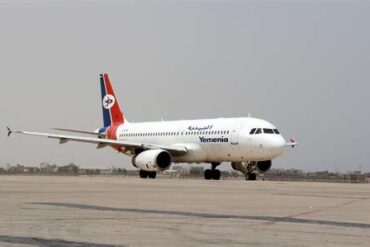
Yemen: A Complete No-Fly Zone
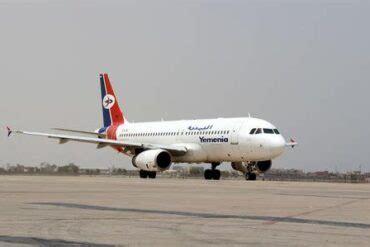
In stark contrast to Iran, Yemen’s airspace is subject to a strict no-fly policy imposed by virtually all international aviation authorities. This prohibition stems from Yemen’s ongoing civil war, which has persisted since 2015. The Houthi rebel group frequently launches advanced missiles targeting various regions, including Saudi Arabia and even Israel, making the airspace perilous for commercial flights.
The U.S. Federal Aviation Administration (FAA) has enacted a total ban on flying over Yemen under SFAR 115, while countries such as the UK, Germany, and France also recommend avoiding Yemen entirely. The region is a hotspot for military conflict, with Houthi forces persistently launching missiles into neighboring territories. Consequently, commercial flights generally circumvent Yemeni airspace, with only a handful of flights crossing over the Red Sea, far offshore from Yemen’s borders.
Airlines Avoiding Risky Airspaces
Most international airlines have opted to bypass these turbulent airspaces for both operational and safety reasons. Notably, Israeli airlines—including El Al, Israir, Arkia, and Haifa Air—go to great lengths to ensure their flights avoid Iranian, Iraqi, and Yemeni airspace. Even on routes to the Far East, these airlines reroute through safer areas such as Cyprus, Turkey, Georgia, or Azerbaijan, thereby sidestepping potentially hostile regions.
Airlines that typically avoid Iranian and Yemeni airspace include:
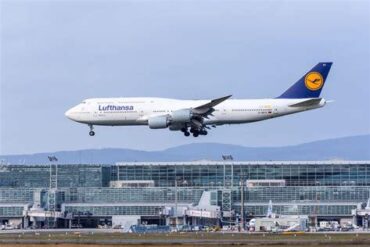
- Lufthansa
- SWISS
- Austrian Airlines
- British Airways
- KLM
- Air France
- Iberia
- Finnair
- Scandinavian Airlines (SAS)
- Virgin Atlantic
- American Airlines
- United Airlines
- Delta Air Lines
- Israeli Airlines (El Al, Israir, Arkia, Haifa Air)
These airlines prioritize the safety of their passengers by completely steering clear of the airspaces of Iran, Iraq, and Yemen. When traveling to destinations in the Far East, they prefer longer, safer routes rather than risking exposure to potential conflict.
The Growing Safety Concerns and Operational Risks
The hazards of flying over conflict zones like Iran and Yemen extend beyond the immediate threat of missile attacks. The 2020 incident involving an Iranian missile downing a Ukrainian airliner, tragically resulting in the deaths of all 176 people on board, underscored the perils associated with navigating through conflict-prone airspaces, especially amid heightened tensions. For foreign nationals aboard these flights, emergency landings in hostile countries could lead to severe political consequences. This was evident in the Ryanair plane forced to land in Belarus, which became a political tool for the regime.
Similarly, foreign nationals in Iran have faced detention and potential political extortion during past incidents. Travelers may find themselves at risk of arrest and interrogation, further highlighting the necessity of exercising caution when flying in or near these regions.
Conclusion
As global awareness of the legal and security risks grows, airlines are increasingly opting for discretionary rather than precautionary overflights of Iran and Iraq. Travelers contemplating journeys in these regions should remain vigilant regarding the threat of missile attacks and the broader political landscape. It’s prudent to scrutinize an airline’s route plan before booking flights, ensuring that safety remains the top priority. In a world where the skies can quickly become tumultuous, informed decision-making is essential for safeguarding passengers and crews alike.