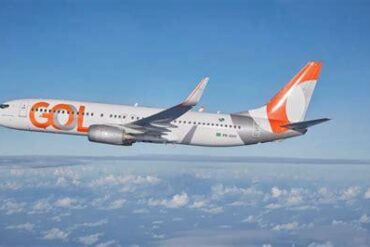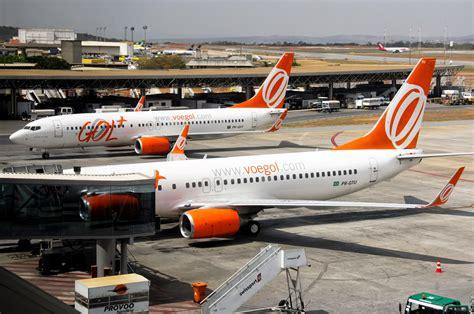
Founded at the dawn of the new millennium, Gol Linhas Aéreas Inteligentes has reshaped Brazil’s commercial aviation landscape through a bold low-cost model, strategic alliances, and aggressive fleet expansion. Since launching operations on January 15, 2001, this Rio de Janeiro-based carrier has soared to prominence in Latin America’s competitive airline sector, weathering crises and capitalizing on evolving consumer demands.
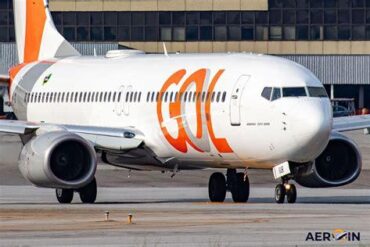
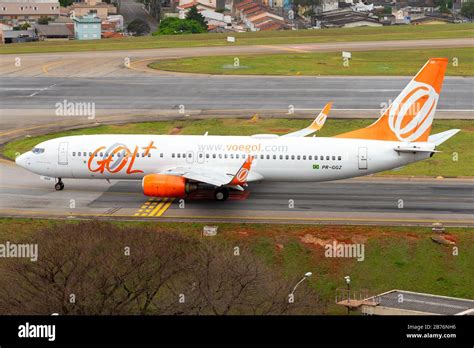
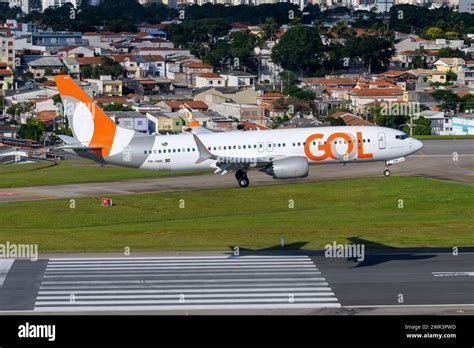
By March 2025, Gol had built a formidable network of 74 destinations, relying entirely on its 139-strong Boeing 737 fleet. With core hubs in São Paulo (Congonhas and Guarulhos), Brasília, and Rio de Janeiro-Galeão, the airline has mastered domestic coverage while maintaining a modest but strategic international footprint.
Strategic Origins and Meteoric Rise
Gol was the brainchild of the Constantino family’s Grupo Áurea, which identified an untapped niche in Brazil’s aviation market: reliable, affordable air travel. Its debut route between Brasília and São Paulo set the stage for exponential growth. By 2007, the company’s ownership structure had attracted global attention, with major stakes held by AeroPar (75.5%), Venture (17.6%), AIG (5.4%), and Air France-KLM (1.5%).
This early period was marked by calculated expansion. Gol explored code-share agreements with TAP Portugal, began seasonal charters to Florida, and even flirted with membership in the Oneworld alliance. By 2011, it forged meaningful partnerships with Aerolineas Argentinas and regional feeder Passaredo, opening new domestic and regional corridors.
Delta Air Lines’ 3% equity stake in 2011—along with shared Boeing 767 leases and loyalty integration—signaled Gol’s strategic value. Though Delta eventually divested in 2019, the investment had amplified Gol’s stature. In 2012, a major fleet upgrade began with an order for 60 Boeing 737 MAX aircraft, a critical step for future competitiveness.
Mergers, Acquisitions, and Consolidation Moves
Gol’s appetite for consolidation shaped much of its growth trajectory. In 2007, it acquired the “new Varig” for US$320 million, operating it as a distinct brand before full integration. The move symbolized a passing of the torch—from the legacy Varig to Gol’s leaner, modern model.
A more complex acquisition came in 2011, when Gol absorbed Webjet Linhas Aéreas. Approved in 2012, the merger allowed Gol to consolidate routes, increase frequency on key corridors, and retire older 737-300 aircraft. Though operational absorption concluded swiftly, its market impact was significant.
The airline also experimented with feeder networks. Between April 2019 and April 2020, it partnered with TwoFlex to connect remote regions in Amazonas, Pará, and Mato Grosso, although the venture was short-lived. More enduring was the June 2021 acquisition of MAP Linhas Aéreas, which granted Gol 26 critical slots at Congonhas Airport, a rare competitive edge in one of South America’s most congested airports.
Abra Group and the 2024 Chapter 11 Filing
The most consequential transformation came in 2022, when Gol merged with Avianca under the Abra Group—a pan-Latin conglomerate aiming to build a unified regional airline powerhouse. This merger was heralded as a bold counter to LATAM and Azul’s regional dominance.
However, Gol’s mounting debt—R$29.1 billion by July 2024—ultimately forced the airline to seek Chapter 11 protection in January 2024. The goal was to restructure over US$8.3 billion in liabilities while continuing operations under court supervision. This financial turbulence revealed long-standing operational inefficiencies and underscored the volatility of Brazil’s aviation sector.
Fleet Strategy and Operational Focus
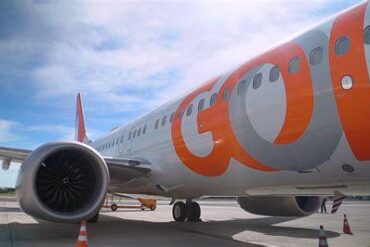
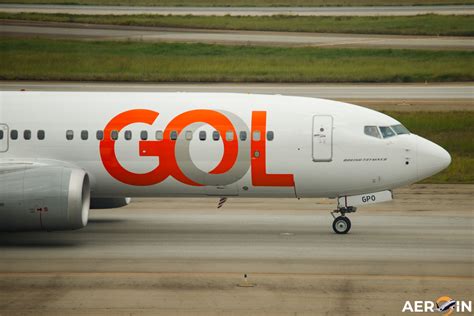
Gol’s streamlined all-Boeing 737 fleet reflects its devotion to efficiency, simplicity, and rapid turnaround. As of March 2025, the airline operated:
- 12 Boeing 737-700s
- 66 Boeing 737-800s
- 54 Boeing 737 MAX 8s (with 91 more on order)
- 7 Boeing 737-800BCF freighters
- 30 Boeing 737 MAX 10s on order
This uniformity minimizes training and maintenance costs while optimizing route flexibility. The addition of freighters also signals Gol’s intention to tap into Brazil’s underserved domestic air cargo market, which has boomed since the pandemic.
Smiles Loyalty Program and Revenue Strategy
Launched in 2006, Gol’s Smiles loyalty program quickly gained prominence, partnering with over 20 airlines and becoming Brazil’s third-largest program by 2011. Its IPO in April 2013 spun it off as a separate entity, unlocking shareholder value and driving ancillary revenue.
Smiles remains an essential pillar of Gol’s revenue diversification. It enhances customer retention while monetizing frequent-flyer miles through co-branded credit cards, retail partners, and flexible redemption models.
Gol’s revenue surged from R$6.9 billion in 2010 to R$18.7 billion in 2023, a testament to effective network management and pricing strategies. However, the airline’s financial performance has remained under pressure, with historical net losses—including US$200.8 million in 2018—highlighting persistent cost and currency challenges.

Codeshare Alliances and International Positioning
Despite its low-cost roots, Gol has cultivated a dense web of codeshare partnerships. These include top global players such as:
- Air France
- KLM
- American Airlines
- Aeroméxico
- Turkish Airlines
- Avianca
- Air Canada
- TAAG Angola Airlines
These alliances provide Gol with intercontinental reach without the costs of long-haul fleet expansion. They also enable Smiles members to accrue and redeem miles globally, boosting brand stickiness.
Although Gol’s international market share stood at 3.8% in 2019, its role in connecting travelers to Brazil’s domestic destinations makes it an essential partner for global carriers.
Operational Incidents and Safety Record
While Gol boasts a generally solid safety record, its most tragic event occurred on September 29, 2006, when Flight 1907, a 737-800, collided mid-air with a Legacy 600 business jet over the Amazon. All 154 onboard perished. The incident prompted sweeping air traffic control reforms in Brazil and brought Gol under intense global scrutiny.
More recent incidents include a taxiing collision with an Azul E195 on April 29, 2022, and a dramatic aborted takeoff on February 11, 2025, when Flight G3-1674 struck a maintenance vehicle in São Paulo. No injuries occurred, but these cases underline the importance of ongoing safety vigilance in Brazil’s crowded airports.

Future Outlook: Recovery or Retreat?
The future of Gol Linhas Aéreas hinges on the outcome of its Chapter 11 restructuring, the strategic cohesion of the Abra Group, and its ability to balance cost discipline with passenger expectations. Gol’s identity as a low-cost carrier has repeatedly come under debate, especially as it pursues premium partnerships and expands its codeshare matrix.
Nevertheless, Gol remains an indispensable player in Brazilian aviation, known for democratizing air travel and maintaining a consistently high load factor near 80%. With over 30.8 million passengers flown in 2023, the airline’s brand equity remains strong, despite mounting operational and financial challenges.
As the Brazilian economy rebounds and regional travel continues to grow, Gol’s ability to streamline its balance sheet and retain customer trust will determine whether it reclaims its upward trajectory or faces further consolidation. Either way, the story of Gol Linhas Aéreas is one of bold ambition, relentless adaptation, and turbulent resilience in the skies above South America.