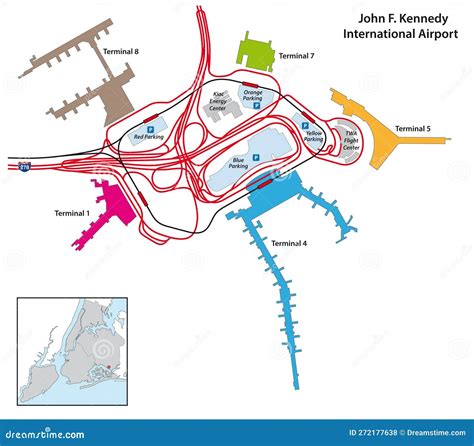
New York’s primary global aviation hub continues to strengthen its role as the United States’ most important international gateway. John F. Kennedy International Airport (JFK) has long dominated long-haul traffic, and its network is expanding again with the confirmation that Brazilian airline GOL Linhas Aéreas will launch a new nonstop service connecting Rio de Janeiro and New York. The route represents a strategic step for both the airline and the airport, adding new long-distance capacity while reinforcing JFK’s position as the nation’s leading international aviation hub.
According to data from the U.S. Department of Transportation, JFK handled 34 million international passengers in the 12 months ending November 2025, far exceeding every other airport in the country. The scale of that dominance becomes clearer when compared with Los Angeles International Airport, which ranked second yet trailed by roughly 11 million international travelers. More than one in eight passengers flying internationally to or from the United States passed through JFK during that period, underscoring the airport’s critical role in connecting North America with the rest of the world.
The airport’s influence is even more pronounced in long-haul aviation. Nearly 23 million passengers traveled on long-distance international flights through JFK, meaning the airport alone accounted for almost one-fifth of the United States’ total long-haul passenger traffic. In such a competitive global aviation environment, the arrival of a new international airline is not merely symbolic—it reflects strong demand and strategic value for carriers seeking access to the lucrative New York market.
GOL Confirms New Long-Haul Service Between Rio de Janeiro and New York
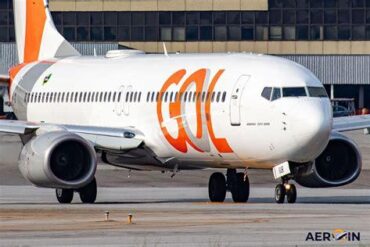
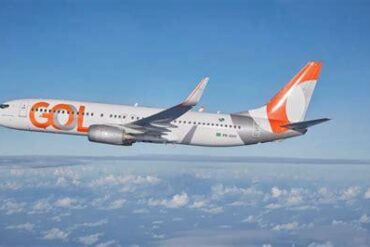
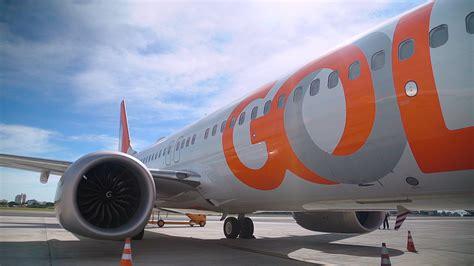
Brazilian airline GOL Linhas Aéreas has officially confirmed that it will begin operating flights between Rio de Janeiro–Galeão International Airport and JFK starting July 8. Initially, the service will operate three times per week, marking the airline’s longest route to date and its most ambitious intercontinental expansion yet.
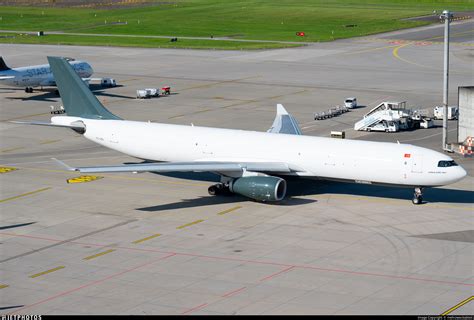
The flights will first be operated using an Airbus A330-200 leased from Wamos Air, a Spanish aircraft leasing and charter specialist. Later, GOL plans to transition the route to more modern Airbus A330neo aircraft, which offer improved fuel efficiency and extended range capabilities. The deployment of wide-body aircraft signals the airline’s commitment to expanding beyond its traditional narrow-body operations.
GOL’s scheduling strategy reflects typical long-haul demand patterns. Flights from Rio will depart in the late evening and arrive in New York the following morning, while return services leave JFK late at night and land in Brazil the next morning. These overnight schedules maximize aircraft utilization while helping airlines fill premium seats, especially among business travelers seeking convenient arrival times.
A Competitive Rio–New York Market Emerges
The new service introduces an important milestone for the Rio de Janeiro–New York route. For the first time in history, three airlines will operate nonstop flights between the two cities simultaneously.
Two U.S. carriers already serve the market seasonally:
- Delta Air Lines
- American Airlines
Both airlines typically concentrate operations during the Northern Hemisphere winter, when travel demand between Brazil and the United States peaks. Their seasonal approach allows them to capture high fares during the busiest months while avoiding weaker off-season demand.
GOL’s entry creates a rare three-carrier competition scenario on a route that, while important, is not particularly large in pure local demand. Booking data shows that approximately 95,000 round-trip passengers traveled between the two airports last year. However, broader travel patterns strengthen the route’s viability. At the airport level, JFK ranks as Rio’s second-largest U.S. destination after Miami, while at the city level New York is the top American market for Rio travelers.
A significant share of bookings—around 60 percent—originates in Brazil, making the presence of a Brazilian airline especially valuable in attracting local customers. GOL’s brand recognition and domestic network allow it to feed passengers from across Brazil into Rio for onward flights to New York.
JFK’s Expanding Long-Haul Airline Landscape
JFK’s dominance in international aviation stems from its unmatched diversity of airline partners. Data from aviation analytics provider Cirium Diio shows that more than 55 airlines operated long-haul passenger flights from JFK between December 2024 and November 2025. Few airports anywhere in the world host such a wide mix of global carriers.
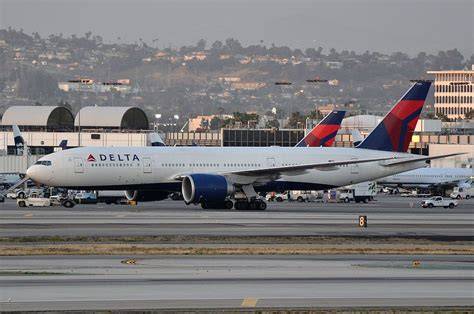
Among those airlines, Delta Air Lines stands as the airport’s largest long-haul operator. The Atlanta-based carrier transported 4.3 million long-haul passengers from JFK, more than double the traffic of American Airlines, which ranked second with 2.1 million passengers. Despite that lead, Delta’s market share remains relatively modest at around 19 percent, largely because JFK hosts so many international competitors.
The airport continues to attract new carriers eager to tap into New York’s enormous travel demand. Recent additions include airlines such as Arkia, Gulf Air, and HiSky, with Gulf Air returning to JFK after a long absence from the U.S. market. These new entrants highlight the enduring appeal of New York as a destination and global aviation hub.
Strategic Implications for Global Aviation
The launch of GOL’s Rio–JFK route reflects broader shifts in international aviation. Airlines increasingly target high-value global cities where strong local demand combines with extensive connecting opportunities. New York sits at the top of that list, offering unmatched access to both North American and transatlantic passenger flows.
For GOL, the route provides a gateway to expand its intercontinental ambitions. The airline has historically focused on domestic and regional South American routes using narrow-body aircraft, but its growing long-haul network signals a new strategic direction. Planned future services to Europe will likely exceed the distance of the Rio–New York route, further transforming the airline’s global footprint.
For JFK, the arrival of another long-haul airline reinforces its status as the United States’ premier international airport. With millions of passengers traveling through its terminals each year and dozens of airlines competing for space, the airport remains one of the most dynamic and influential hubs in global aviation. As airlines continue to expand their long-distance networks, JFK’s role as a gateway between continents shows no sign of slowing.