In a striking shift that redefines the hierarchy of transatlantic travel, Newark Liberty International Airport (EWR) has officially overtaken New York JFK as the U.S. airport with the most European destinations, according to Q3 2024 data. This marks a watershed moment for the New Jersey-based hub, elevating its status not just as a critical continental connector but as the primary U.S. launchpad for a diverse range of European locales.
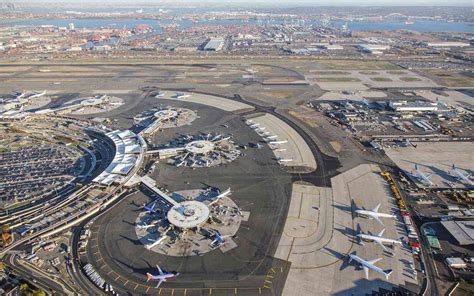
Newark’s Bold Ascent to the Top of Transatlantic Connectivity
Despite JFK’s dominance in total flight volume—boasting 80% more flights than Newark—EWR now serves 40 European destinations, compared to JFK’s 39. This pivotal milestone highlights Newark’s strategic focus not only on volume but geographic reach and diversity. Backed heavily by United Airlines, which operates nearly 67% of all Newark-Europe departures, the airport’s network has expanded significantly in 2024, adding key first-time destinations like Bilbao, Faro, Funchal, and Palermo.
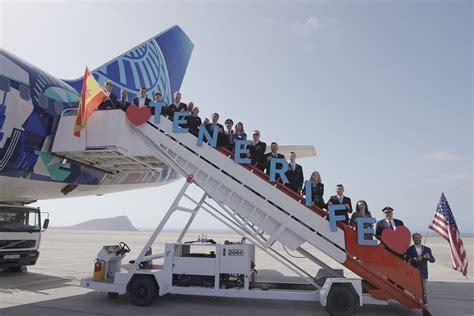
These additions are particularly significant because Bilbao and Palermo had never hosted long-haul flights from the U.S. before, emphasizing Newark’s growing role in unlocking new international travel corridors. Only Tenerife South was dropped from the schedule, a small concession compared to the vast expansion seen this year.
United Airlines: The Driving Force Behind Newark’s European Domination
United Airlines’ dominance at EWR cannot be overstated. As the airline’s primary European gateway, the carrier has carefully crafted a high-yield, high-frequency strategy that emphasizes both premium service and market exclusivity. When including fellow Star Alliance members like Lufthansa, Swiss, and Austrian Airlines, their collective presence rises to a commanding 82% of Newark’s European operations.
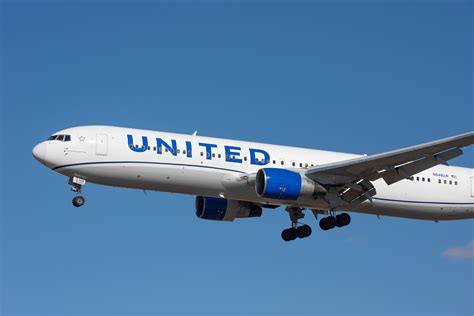
A cornerstone of United’s transatlantic model is the deployment of the Boeing 767-300ER—a relatively low-capacity, high-premium aircraft. With only 167 seats, these jets focus on high-yield routes, offering a luxurious, business-traveler-oriented experience that caters to well-heeled passengers flying to cities like London, Frankfurt, Geneva, Naples, and Zurich.
London Heathrow: Newark’s Premier European Route
Leading the charge in both frequency and prestige is Newark’s London Heathrow route, boasting nine daily departures. British Airways operates two of these using its 777-200ER and 787-10, but it is United’s seven daily flights—all using the high-premium 767-300ER—that elevate this connection as Newark’s crown jewel.
The emphasis on business traffic, timed frequencies, and strategic partnerships ensures that London remains the most crucial link in Newark’s European network. It also signifies United’s intense commitment to winning over the lucrative transatlantic premium market.
Newark’s Other High-Frequency European Connections
Beyond London, several other destinations enjoy multiple daily flights from EWR. These routes offer a blend of leisure and business appeal, with a healthy mix of airline carriers providing options across fare classes and service standards:
- Dublin: Three daily flights – Aer Lingus (A321LR) and United (777-200ER, 757-200)
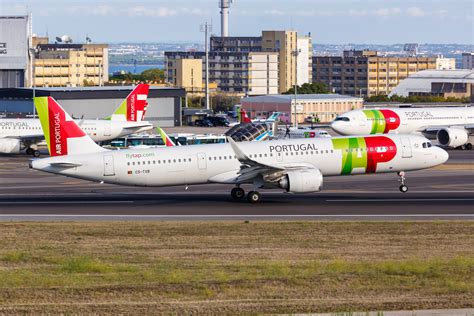
- Lisbon: Three daily – TAP (A321LR, A330-200/900) and United (787-10)
- Porto: Three daily – TAP and United (A321LR, 757-200)
- Paris CDG: Three daily – Air France (A350-900) and United (767-400ER, 777-200ER)
- Frankfurt: Two to three daily – Lufthansa (747-8i) and United (767-300ER, 777-300ER)
- Athens: Two to three daily – Emirates (777-300ER via Dubai), United (767-300ER, 787-10)
- Paris Orly: French bee (A350-900/1000) and La Compagnie (A321neo)
The Addition of Under-Served and New Long-Haul Cities
One of the most impressive aspects of Newark’s transformation lies in its reach into cities previously untouched by U.S. transatlantic flights. The recent additions of Bilbao (Spain), Faro (Portugal), Funchal (Madeira), and Palermo (Italy) demonstrate not just market growth, but route innovation.
These cities cater largely to leisure and diaspora travelers, and their inclusion highlights Newark’s responsiveness to evolving travel demand—especially from second-generation European-American communities eager for direct links to ancestral regions.
Newark’s Ultra-Low Frequency But High-Demand Routes
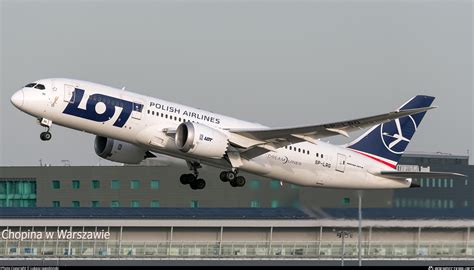
In contrast to the high-frequency corridors, Newark also serves niche markets with extremely limited service, such as weekly flights to Kraków and Rzeszów in Poland, operated by LOT Polish Airlines using the Boeing 787 Dreamliner fleet. These routes are designed to meet the needs of visiting friends and relatives (VFR) traffic, especially among Polish Americans in the tri-state area.
Despite the low frequency, they achieve remarkable load factors. For the 12 months ending in November 2024, LOT reported a 92.4% load factor on the Rzeszów route—exceeding even Kraków’s impressive numbers. This underscores the strong point-to-point demand that Newark is uniquely positioned to capitalize on.
Newark vs. JFK: A Strategic Shift in Network Philosophy
JFK has long been considered the preeminent international airport for New York City and the Eastern Seaboard. However, its model leans heavily on frequency and hub-and-spoke operations, especially for global giants like Delta and American Airlines. In contrast, Newark’s surge in destination count reflects a shift in strategic intent: diversify, specialize, and connect underserved European markets directly.
JFK still reigns in overall volume, but Newark’s breadth of European city-pairings reveals a level of tactical nuance more aligned with modern travel trends. With travelers increasingly seeking direct flights to secondary European cities—and avoiding costly layovers—Newark’s destination-driven strategy is proving prescient.
The Future Outlook: Newark’s Position as a Transatlantic Trailblazer
Newark’s 2024 expansion may well be a harbinger of further growth, as carriers eye emerging European markets and new demographic clusters in the U.S. demand direct service. The airport’s proximity to Manhattan, excellent rail connections, and dedicated United Airlines terminal further enhance its appeal.
Airline industry analysts believe that Newark’s rise is not a fluke, but rather the byproduct of long-term planning, aggressive airline investment, and a savvy understanding of shifting travel patterns. If current trends continue, Newark may soon outpace JFK not just in destinations, but in total transatlantic traffic as well.

Conclusion: A New Era for U.S. Transatlantic Aviation
Newark Liberty International has boldly stepped out of JFK’s shadow to claim its place as America’s top airport for European destinations. Backed by United Airlines’ relentless expansion and a strategic focus on under-served yet high-potential routes, EWR is no longer just an alternative to JFK—it’s the premier choice for travelers looking to explore Europe from the United States.
From powerhouse markets like London and Paris to emerging connections in the Iberian Peninsula and southern Italy, EWR’s vast European tapestry reflects not just numerical superiority, but a deeper alignment with 21st-century travel preferences. The next time you’re planning to cross the Atlantic, don’t be surprised if your itinerary starts not at JFK—but at Newark.