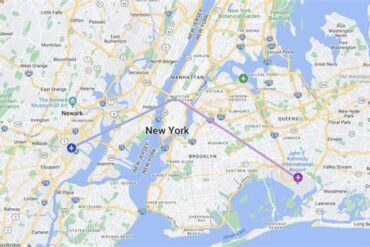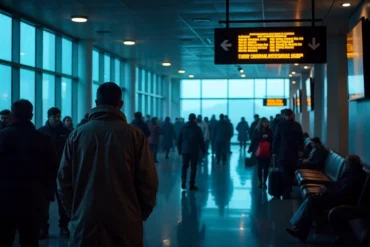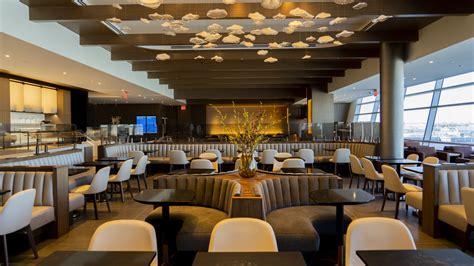
New York City is one of the busiest aviation markets in the world, served by John F. Kennedy International Airport (JFK), LaGuardia Airport (LGA), and Newark Liberty International Airport (EWR). Each airport handles millions of travelers annually, yet their lounge ecosystems are dramatically different. For frequent flyers, premium travelers, and credit card lounge users, choosing the right airport in New York can shape the entire pre-flight experience.
Once notorious for aging terminals and overcrowded waiting areas, New York’s airports have undergone massive infrastructure transformations worth billions of dollars. These upgrades have sparked a competitive arms race among airlines and credit card companies. Instead of basic waiting rooms, many lounges now feature fine dining, wellness centers, curated cocktail bars, and designer interiors.
Travelers today no longer simply ask which airport is closest. The real question has become: which New York airport delivers the best lounge experience before takeoff? The answer depends on your airline, your terminal, and sometimes the card in your wallet.
The modern lounge landscape in New York has become a complex patchwork of ultra-luxury flagship lounges, credit-card lifestyle spaces, and traditional airline clubs. Understanding how these spaces differ is essential for anyone trying to maximize comfort while flying through the region.
The Rise of Luxury Airline Lounges in New York Airports
The transformation of New York’s airport lounges reflects a broader shift in aviation economics. Airlines are increasingly focusing on premium travelers and loyalty programs rather than pure passenger volume. In this environment, the lounge is no longer just a perk—it is a strategic tool for customer retention.
At the center of this evolution is JFK Airport, which has emerged as the city’s premier destination for high-end airline lounges. Terminals such as Terminal 4 and Terminal 8 now house some of the most luxurious spaces in North America.
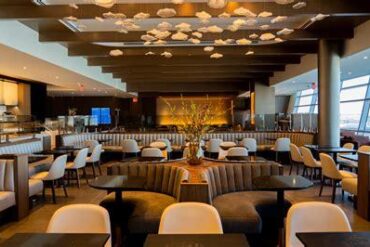
Delta Air Lines has been particularly aggressive in redefining the premium lounge experience. Its Delta One Lounge at JFK Terminal 4 represents a dramatic departure from traditional airline clubs. Instead of buffets and crowded seating areas, travelers encounter restaurant-style dining, curated wine selections, and designer interiors inspired by Manhattan brasseries.
Credit card companies have also entered the competition. American Express and Chase now operate lounges that function as lifestyle showrooms for premium cardholders, blending hospitality with brand marketing. These spaces have elevated expectations across the industry.
The result is a citywide lounge ecosystem where comfort, exclusivity, and culinary quality have become central to the airline experience.
JFK Airport: The Undisputed Leader for International Lounge Luxury
John F. Kennedy International Airport remains the clear leader in lounge variety and international premium experiences. With dozens of airline partners and long-haul routes to Europe, Asia, and the Middle East, JFK hosts an extraordinary range of elite lounges.
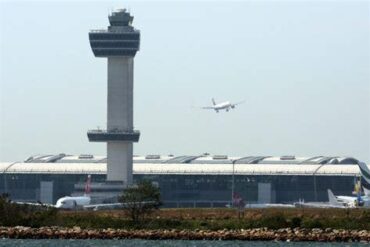
The airport’s reputation is anchored by Terminal 4, arguably the most sophisticated terminal in the United States when it comes to premium facilities. Delta’s presence here has created a multi-layered lounge environment that includes both traditional Sky Clubs and the exclusive Delta One Lounge.
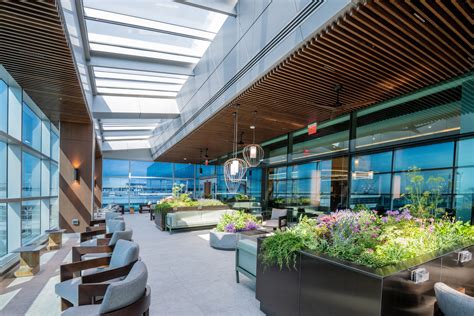
Passengers flying Delta One can enjoy a three-course brasserie dining experience, curated cocktail programs, and private relaxation areas. This level of service places the lounge closer to a boutique hotel lobby than an airport waiting area.
Meanwhile, Terminal 8, home to American Airlines and its oneworld alliance partners, features the Greenwich Lounge and Chelsea Lounge. These spaces cater primarily to long-haul premium passengers and top-tier elite members.
The Chelsea Lounge, in particular, is known for its champagne tasting room, chef-designed menus, and quiet library-style seating zones. Travelers departing on transatlantic routes often find the experience comparable to premium lounges in London or Doha.
Despite these advantages, JFK’s lounge landscape is not perfect. The airport’s terminal fragmentation creates significant limitations. Once a passenger clears security in one terminal, accessing lounges in another usually requires leaving the secure area entirely.
This means that a traveler departing from JetBlue’s Terminal 5, for example, cannot easily visit the premium lounges in Terminal 4. The result is a system where the quality of the lounge experience depends heavily on the terminal assigned to your flight.
LaGuardia Airport: The Surprise Champion for Credit Card Lounges
For decades, LaGuardia Airport was widely mocked as one of the least appealing airports in America. That reputation has changed dramatically.
Following a sweeping redevelopment project, LGA now features modern terminals, improved passenger flow, and some of the most innovative lounges in the country. The transformation has been so striking that LaGuardia has become a favorite among domestic travelers carrying premium credit cards.
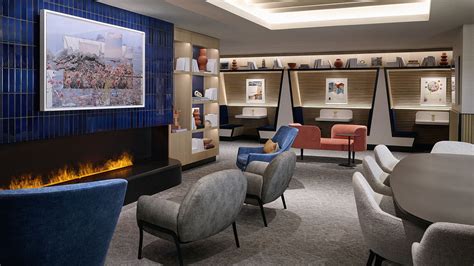
The crown jewel of this revival is the Chase Sapphire Reserve Lounge in Terminal B. Unlike traditional airline lounges tied to a specific carrier, this facility caters primarily to Chase Sapphire Reserve cardholders and Priority Pass members.
The lounge was designed with a focus on lifestyle amenities rather than simple seating. Visitors can explore arcade rooms, wellness spaces, shower suites, and craft cocktail bars. The environment feels less like an airport lounge and more like a boutique hospitality venue.
This strategy reflects how banks are increasingly competing with airlines for traveler loyalty. Instead of relying solely on rewards points, they are offering premium physical experiences that influence where customers choose to fly from.
Another standout facility is the Delta Sky Club at Terminal C, which includes an outdoor sky deck overlooking the runway. Watching aircraft movements from a quiet terrace while enjoying a drink adds a unique dimension rarely found in U.S. airport lounges.
For domestic flyers, LaGuardia’s cohesive terminal design offers something that larger airports sometimes lack: a seamless and predictable lounge experience.
Newark Liberty Airport: Improvements with Structural Limitations
Newark Liberty International Airport has made considerable progress in recent years, particularly with the opening of Terminal A, a modern facility designed to replace aging infrastructure.
United Airlines dominates Newark, and the airline has invested heavily in its United Club lounges throughout the airport. These spaces provide comfortable seating areas, upgraded food options, and well-designed work zones for business travelers.
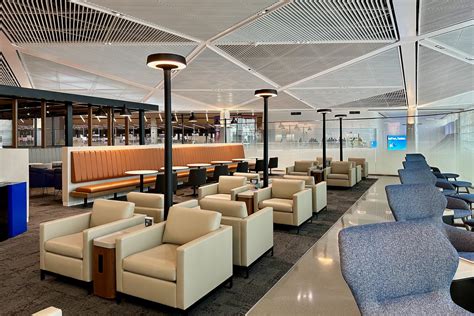
Terminal A introduced a new generation of United Club facilities featuring locally inspired décor and New Jersey-themed cocktail bars. Compared with older airport lounges, the environment feels significantly more polished and contemporary.
However, Newark still struggles with a challenge common to many American airports: terminal separation. International flights often depart from different terminals than those hosting the best lounges, making access inconvenient for some passengers.
Unlike airports such as Los Angeles International (LAX), Newark lacks comprehensive airside connectors that allow travelers to move freely between terminals after clearing security. This limitation reduces the flexibility that lounge enthusiasts often enjoy at other global hubs.
As a result, Newark offers solid lounges but fewer opportunities for multi-lounge exploration before departure.
Access Rules: The Real Barrier to Lounge Luxury
One of the most important realities about New York airport lounges is that access is becoming increasingly restricted. Gone are the days when travelers could easily pay a small fee to enter a lounge.
Today, most premium spaces require one of three things:
- First or business class tickets
- High-tier airline elite status
- Specific premium credit cards such as Amex Platinum or Chase Sapphire Reserve
Even with the right credentials, access is not always guaranteed. Many lounges now operate digital waitlists, allowing travelers to join a virtual queue through mobile apps.
This system helps prevent overcrowding inside the lounge, but it introduces a new challenge: timing your arrival at the airport. During peak travel hours, particularly the evening transatlantic departure window at JFK, wait times can stretch beyond 45 minutes.
For travelers who value efficiency, planning ahead has become essential.
Comparing New York Lounges with Global Aviation Hubs
When placed alongside major global hubs such as London Heathrow (LHR) or Dubai International Airport (DXB), New York’s lounge offerings reveal both strengths and weaknesses.
In terms of design quality and culinary experiences, the best lounges in New York are among the finest in the United States. The Delta One Lounge and the Chelsea Lounge rival many international flagship facilities.
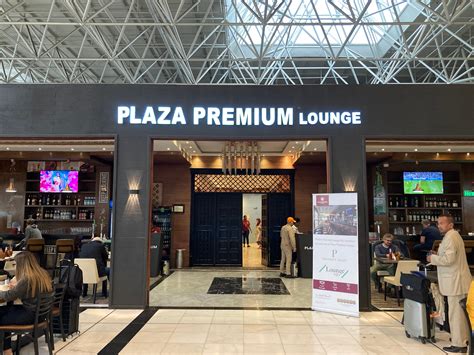
However, connectivity remains a critical disadvantage. Airports like Dubai feature massive integrated lounge levels that stretch across entire terminals, allowing passengers to move seamlessly between amenities.
Los Angeles International Airport provides another interesting comparison. Several terminals at LAX are connected airside, allowing travelers to walk between different airline lounges without exiting security.
New York’s airports, by contrast, function as collections of separate terminal ecosystems. This structural limitation means passengers often have only one or two lounge options depending on their departure gate.
Peak Hour Reality: The Crowding Problem
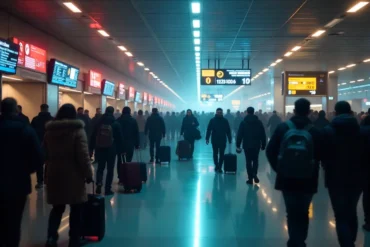
Marketing photos often show lounges as tranquil spaces filled with empty leather chairs and panoramic windows. The reality during busy travel periods is far more intense.
Between 6 PM and 10 PM, JFK experiences a massive wave of transatlantic departures. During these hours, even elite lounges can become crowded.
Travelers may encounter:
- Digital waitlists before entry
- Standing-room-only seating areas
- Limited dining reservations
The issue is not unique to New York, but the region’s extreme passenger density amplifies the challenge.
Even exclusive lounges such as the Centurion Lounge or Delta One Lounge sometimes reach capacity. When that happens, travelers with confirmed access may still wait in the terminal corridor until space becomes available.
The Future of New York Airport Lounges
The competition among airlines, banks, and airport authorities is far from over. One of the most significant developments currently underway is the New Terminal One project at JFK Airport.
This massive redevelopment aims to consolidate several international carriers into a single state-of-the-art terminal complex. When completed, it could resolve many of the fragmentation issues that currently define the JFK experience.
The new terminal is expected to include next-generation premium lounges, integrated passenger flow, and expanded retail and dining areas. These improvements may push JFK even further ahead in the global airport lounge hierarchy.
At the same time, LaGuardia’s modern design and credit-card lounge ecosystem will likely continue attracting domestic travelers seeking fast, efficient luxury without the complexity of a massive international hub.
Newark, meanwhile, continues to upgrade its facilities and may benefit from future connectivity improvements between terminals.
Which New York Airport Truly Has the Best Lounges?
The answer depends entirely on the traveler’s circumstances.
For international premium passengers, JFK Airport remains the undisputed leader. Its flagship airline lounges deliver unmatched dining experiences, elegant interiors, and a level of exclusivity rarely found elsewhere in the United States.
For domestic travelers with premium credit cards, LaGuardia Airport often provides the most modern and accessible lounge experience. Its newly built terminals and innovative lounge concepts make it one of the most comfortable domestic airports in North America.
For United Airlines loyalists and travelers departing from New Jersey, Newark Liberty Airport offers solid lounge options, though its terminal separation can limit flexibility.
In the end, the smartest strategy is not simply choosing the best airport—it is choosing the right terminal within that airport. In New York’s complex aviation ecosystem, a traveler’s lounge experience can shift dramatically depending on where their flight departs.
The city’s three major airports have turned premium lounges into a competitive battlefield, and that rivalry has produced something remarkable: some of the most sophisticated airport lounges in the United States, hidden behind security checkpoints and accessible only to those who know where to look.