New York’s already battered air travel network plunged deeper into chaos after a sinkhole forced the closure of a major runway at LaGuardia Airport, triggering a cascading wave of cancellations, delays, and operational paralysis just days before the Memorial Day travel surge. What began as a week dominated by violent thunderstorms and FAA traffic restrictions quickly escalated into one of the airport’s most disruptive operational crises in recent memory.
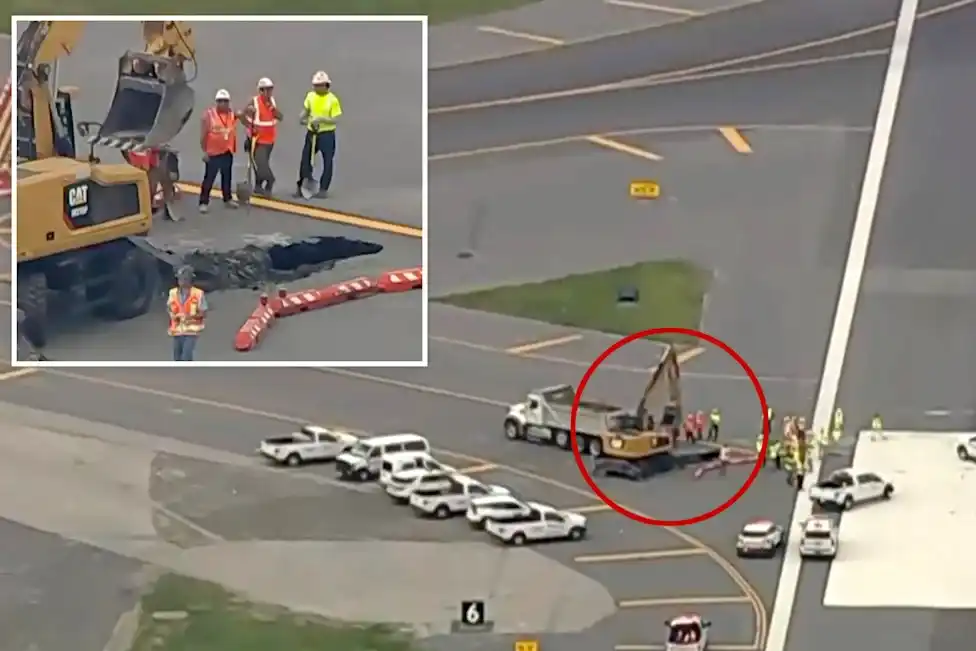
The sinkhole was discovered around 11:00 a.m. EST during a routine inspection conducted by crews from the Port Authority of New York and New Jersey. Officials immediately shut down Runway 4/22 after identifying structural instability in the pavement, leaving LaGuardia operating on only a single active runway. At one of America’s busiest and most tightly constrained airports, losing half of available runway capacity instantly crippled scheduling flexibility.
More than 400 flights were canceled across Tuesday and Wednesday, according to FlightAware data, while hundreds more suffered severe delays stretching across the Northeast corridor. By Wednesday evening, additional thunderstorms moving through the region had worsened conditions even further, with over 320 delayed flights reported at LaGuardia alone.
The operational breakdown could hardly have come at a worse time. Airlines and airport authorities were already preparing for one of the busiest Memorial Day travel weekends on record, with passenger numbers expected to surge dramatically across New York’s airports.
After the runway closure, emergency engineering teams rushed to stabilize the damaged area using excavators and heavy construction equipment under overnight floodlights. The Port Authority said repair crews were working continuously to reopen the runway as quickly and safely as possible, though no guaranteed reopening timeline was provided.
Sinkhole Closure Cripples LaGuardia’s Limited Runway Capacity
Unlike larger hub airports with multiple parallel runways, LaGuardia operates within extremely tight physical constraints. The airport relies heavily on just two intersecting runways, meaning the loss of one immediately slashes arrival and departure capacity. Once Runway 4/22 was shut down, every aircraft movement had to be rerouted through Runway 13/31, creating a severe bottleneck that rippled through the entire air traffic system.
The impact was immediate. Aircraft departing LaGuardia faced lengthy ground holds, while inbound flights circled for extended periods awaiting landing clearance. In many cases, airlines simply canceled flights outright rather than attempt to operate within the increasingly unmanageable traffic flow.
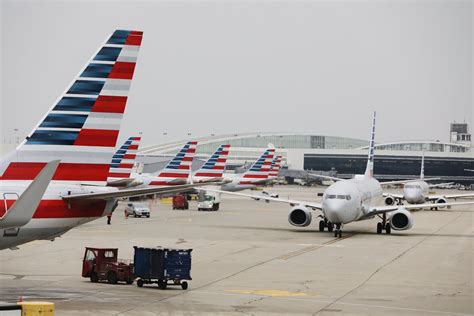
Delta Air Lines absorbed the heaviest operational damage. The carrier, which maintains a major hub presence at LaGuardia, canceled approximately 90 flights while suffering hundreds of additional delays. American Airlines and JetBlue also faced major disruptions as gate congestion and aircraft repositioning issues compounded the runway crisis.
Southwest Airlines emerged relatively unscathed compared to competitors. While the airline reported some delays, it avoided large-scale cancellations due partly to its smaller LaGuardia footprint.
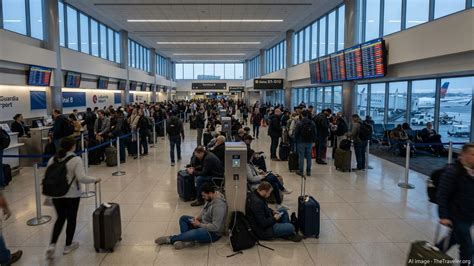
Travelers inside terminals described packed gate areas, rapidly changing departure boards, and hours-long waits for rebooking assistance. Many passengers attempting to secure alternate flights discovered neighboring airports were experiencing their own operational breakdowns.
Severe Weather Turns Regional Airspace Into a Gridlock Zone
The sinkhole emergency unfolded against the backdrop of a broader weather-driven aviation crisis affecting the entire New York metropolitan region. Thunderstorms repeatedly swept through critical flight corridors used by LaGuardia, JFK, and Newark Liberty International Airport, forcing air traffic controllers to reroute aircraft around dangerous storm cells.
Because New York airspace is among the most congested in the world, even minor disruptions can trigger cascading consequences across the system. With LaGuardia capacity sharply reduced, pressure intensified on JFK and Newark, both of which were already struggling with weather restrictions and FAA-imposed flow controls.
JFK recorded dozens of cancellations and nearly two hundred delays as arrival routes over Long Island became heavily restricted during storm activity. Meanwhile, Newark faced a separate crisis tied to staffing shortages among air traffic controllers.
Earlier in the week, the Federal Aviation Administration ordered Newark to reduce hourly aircraft movements from 77 to 56 operations per hour. The reduction was implemented to preserve safety margins during periods of severe weather and elevated congestion. Compounding the issue further, Newark has also been operating with runway limitations due to construction work.
Transit Disruptions Spread Beyond the Airport Terminals
As aviation disruptions intensified, regional ground transportation systems also encountered serious setbacks. A fire near rail infrastructure in Secaucus, New Jersey disrupted Amtrak operations along one of the Northeast Corridor’s busiest segments. Reports indicated the fire spread rapidly near tracks adjacent to the New Jersey Turnpike, creating additional transportation headaches for travelers attempting to bypass airport delays.
The simultaneous strain on airports, rail systems, and highways exposed how vulnerable the broader New York transportation network becomes when multiple infrastructure failures occur at once. Travelers who abandoned canceled flights in favor of trains often encountered suspended or delayed rail service instead.
For airlines, the timing could not have been more damaging. Aircraft and flight crews displaced by cancellations frequently ended up out of position, complicating schedules well into Thursday and potentially beyond. Early projections suggested dozens more cancellations would continue into the following day, especially among Delta and American Airlines operations.
Growing Questions About Infrastructure and Airspace Resilience
The LaGuardia sinkhole crisis has reignited broader concerns about infrastructure resilience across the New York aviation system. While the airport underwent a massive multibillion-dollar modernization project in recent years, the sudden runway failure highlighted ongoing vulnerabilities beneath the surface.
The incident also renewed attention on long-standing operational pressures within New York airspace. Pilots have repeatedly raised safety concerns involving congestion, runway complexity, and air traffic control workload at LaGuardia. During periods of severe weather, the system often operates with almost no margin for disruption.
With Memorial Day travel demand accelerating and summer schedules approaching peak intensity, transportation officials now face mounting pressure to restore stability before further operational breakdowns ripple across the nation’s busiest air corridor.