Air travel in the United States depends on a complex web of systems operating quietly behind the scenes. Among them, airport security screening stands as one of the most critical yet often overlooked components of aviation infrastructure. When that system begins to strain, the effects ripple across the entire travel experience. A growing crisis tied to a federal funding dispute is now exposing just how fragile that security network can be.
Across major airports, travelers are encountering unusually long screening lines, slower checkpoint processing, and mounting uncertainty. The cause is not weather, technology failures, or airline scheduling errors. Instead, the problem originates from a political budget standoff affecting the Department of Homeland Security (DHS), the federal department responsible for overseeing the Transportation Security Administration (TSA).
The dispute has triggered a government shutdown affecting DHS funding, leaving thousands of TSA officers working without pay even as passenger traffic rises during the spring travel season. Although airport security checkpoints remain operational, the lack of funding is gradually eroding staffing levels, creating the conditions for what aviation analysts describe as an “invisible checkpoint crisis.”
How the DHS Funding Dispute Is Disrupting TSA Operations
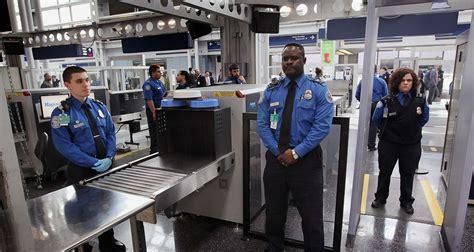
The Transportation Security Administration employs roughly 50,000 frontline security officers tasked with screening passengers, inspecting luggage, and maintaining checkpoint operations at more than 400 airports across the United States. These officers are classified as essential federal employees, meaning they must continue reporting for duty even during government shutdowns.
However, the current funding impasse has placed these workers in an increasingly difficult position. With paychecks delayed indefinitely, many TSA employees are facing financial strain that affects their ability to commute, cover childcare expenses, or manage basic household costs. While officers are still required to report for work, real-world pressures have led to rising absenteeism.
Each absent officer has a measurable impact on checkpoint efficiency. Fewer personnel means fewer open screening lanes, slower bag inspections, and longer queues at passenger security lines. What initially appears to travelers as a routine delay is often the result of a system operating with reduced manpower.
The issue has become more visible as passenger volumes climb. Spring break travel is beginning to accelerate across the country, placing additional pressure on airport infrastructure that is already operating under staffing constraints.
Airport Security Lines Are Growing Longer Across the Country
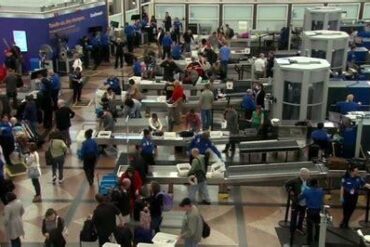
Early warning signs of disruption are appearing at several airports where security checkpoints are struggling to maintain normal throughput. During peak hours, long queues now stretch far beyond their typical boundaries, forcing passengers to arrive at terminals far earlier than usual.
Some airports have experienced particularly severe delays.
At William P. Hobby Airport in Houston, travelers have reported security wait times approaching three hours, an unusually long duration for a medium-sized airport. Similar conditions have been observed at Louis Armstrong New Orleans International Airport, where screening lines during busy travel periods have reached nearly two hours.
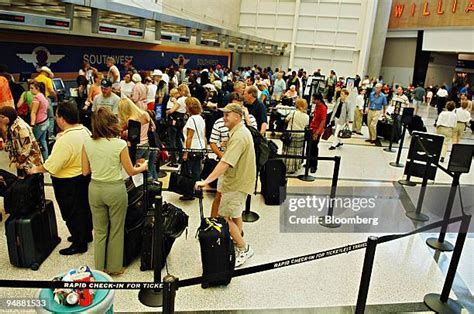
These delays are not simply the result of passenger surges. They are closely tied to the reduced number of open screening lanes caused by staffing shortages. When several officers are absent, entire lanes must close, forcing thousands of travelers through a smaller number of checkpoints.
The resulting bottleneck creates a cascading effect throughout the airport. Boarding processes slow down, gate areas become overcrowded, and airline staff must manage an increasing number of passengers who miss flights due to security delays.
Why Spring Travel Makes the Situation More Dangerous
Timing plays a crucial role in the severity of the crisis. The shutdown is occurring during one of the busiest travel windows of the year.
Industry forecasts suggest that approximately 171 million passengers will travel through U.S. airports during the spring break period, representing a 4 percent increase compared to the previous year. That surge places immense pressure on airport screening systems even under normal circumstances.
When passenger demand rises while checkpoint capacity declines, the imbalance can escalate quickly. Security lines that normally move efficiently can transform into multi-hour queues when staffing levels fall even slightly below required thresholds.
Major aviation hubs are particularly vulnerable. Airports such as George Bush Intercontinental Airport, Hartsfield–Jackson Atlanta International Airport, and Charlotte Douglas International Airport handle enormous daily passenger volumes. Even a small reduction in checkpoint staffing can result in thousands of additional passengers waiting in line at any given time.
In extreme cases, security lines have extended beyond the terminal interior, forcing passengers to queue in hallways or outside airport buildings during peak travel periods.
Airlines Are Feeling the Impact Even When Flights Operate Normally
At first glance, airline operations appear unaffected. Flights continue departing and arriving according to schedule, and aircraft availability has not been directly impacted by the shutdown. Yet airlines remain deeply concerned about the consequences of prolonged security delays.
When passengers miss flights due to checkpoint congestion, airlines must manage complex rebooking processes. That often involves moving travelers onto later flights, redistributing seat inventory, and handling customer service disruptions.
For large carriers operating tightly scheduled networks, these missed connections can ripple through the system. Delayed passengers may require accommodations on flights with limited capacity, forcing airlines to adjust reservations across multiple routes.
Chris Sununu, president and CEO of the airline trade association Airlines for America, warned that the situation demands immediate attention from policymakers.
Airlines have spent months preparing aircraft schedules, staffing levels, and fleet operations for the busy spring travel season. Without fully staffed security checkpoints, however, the entire aviation ecosystem becomes vulnerable to disruption.
Government Shutdowns Have Triggered Similar Aviation Problems Before
This is not the first time a federal funding standoff has affected airport security operations. Previous government shutdowns have demonstrated how quickly unpaid federal employees can lead to operational strain across the aviation system.
During past shutdowns, TSA employee absentee rates climbed significantly after workers missed multiple pay periods. Even a modest rise in absences can reduce checkpoint efficiency dramatically because security operations rely on precise staffing levels to function properly.
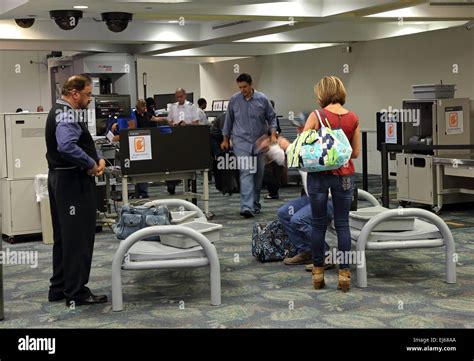
Each screening lane requires multiple officers performing different roles: document verification, X-ray monitoring, body scanner operation, bag inspection, and secondary screening. Remove a few officers from that chain, and the entire lane must shut down.
That operational reality explains why security delays can appear suddenly and escalate rapidly during prolonged shutdowns.
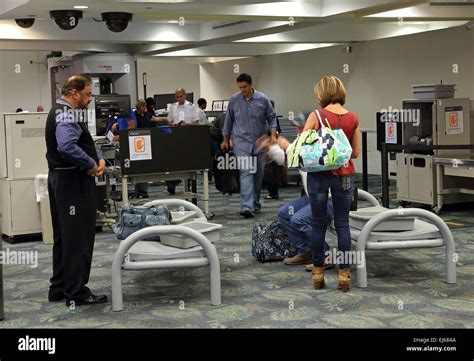
Aviation analysts warn that if the current funding dispute continues, more airports could experience the same pattern of staff shortages followed by rising checkpoint wait times.
What Travelers Should Expect in the Coming Weeks
For passengers planning trips in the near future, the most important factor is preparation. Airports remain open, flights continue operating, and security screening is still functioning nationwide. However, the margin for delay has narrowed significantly.
Travelers should expect longer wait times at checkpoints, especially during peak morning and afternoon departure windows. Arriving earlier than normal may become necessary to avoid missing flights.
Airports already reporting notable delays include Houston’s Hobby Airport and New Orleans International Airport, while several larger hubs are monitoring conditions closely as passenger numbers increase.
If the DHS funding dispute persists, the invisible checkpoint crisis could gradually spread to additional airports as staffing pressures intensify. Because security screening sits at the very front of the passenger journey, even small disruptions can reshape the entire travel experience.
The aviation system itself remains resilient. Aircraft will continue flying, and airports will remain operational. Yet the checkpoint—often taken for granted by travelers rushing toward departure gates—has quietly become the most fragile link in America’s air travel chain. When that link weakens, the effects can be felt long before a passenger ever reaches the runway.