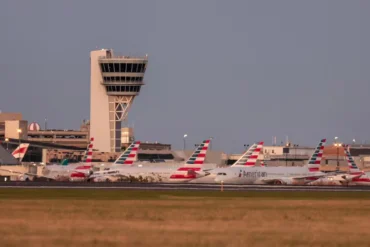
On a seemingly routine summer night at Philadelphia International Airport, a dramatic and costly security breach unfolded, shaking the foundation of passenger safety protocols and forcing American Airlines to absorb tens of thousands in operational losses. The incident, which occurred just after midnight on June 26, 2024, has now culminated in a federal court fine of $60,000 imposed on the individual responsible. But beyond the courtroom, the ramifications continue to ripple through the aviation industry.
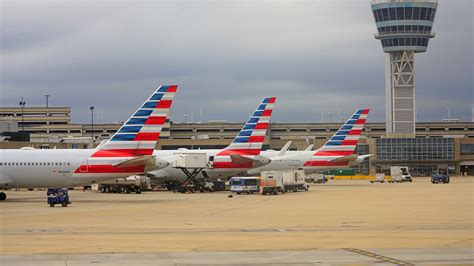
Midnight Breach: How One Passenger Evaded Airport Security
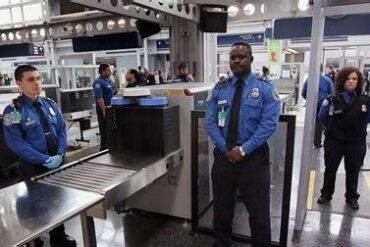
The chaos began when Jonathan Beaulieu, 32, found himself outside the secure area of the airport claiming to have left his cellphone behind. Denied re-entry due to lacking proper screening, Beaulieu’s response was anything but typical. Rather than comply with Transportation Security Administration (TSA) rules, he attempted to bribe a security officer with a $50 bill.
When the bribe failed, he pushed his way past a checkpoint and gained unauthorized access to the airside—a secure zone strictly monitored and restricted. This aggressive breach of protocol not only violated federal law but also highlighted cracks in the multi-layered security systems the aviation industry depends on.
Inside the Cabin: The Unauthorized Boarding of Flight 2938
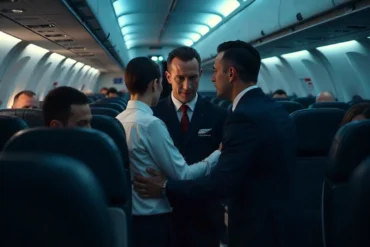
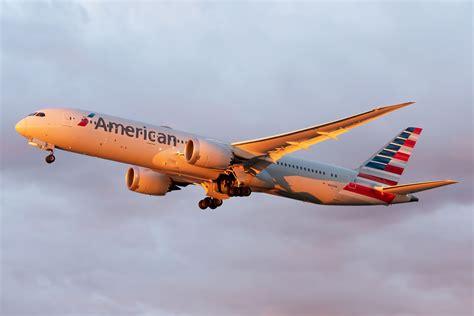
Once past security, Beaulieu managed to reach the gate and board American Airlines Flight 2938, which was scheduled to fly to Chicago O’Hare International Airport. He entered the aircraft unnoticed, settled in, and triggered a chain reaction that would bring the airport’s operations to a standstill.
Airport police and American Airlines staff quickly mobilized, but by the time the breach was discovered, the aircraft door was sealed, and the engines were humming. With the safety of passengers and crew hanging in the balance, American Airlines made the critical decision to cancel the flight.
A Night of Disruption: Financial and Operational Fallout
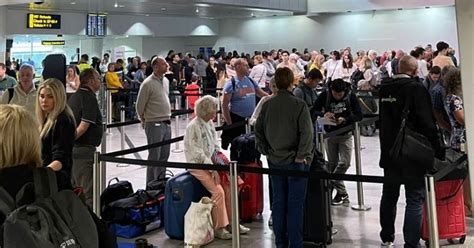
The cancellation of Flight 2938 led to massive disruption. Hundreds of passengers were stranded, forced to rebook or find accommodations overnight. Philadelphia’s Terminal C became a hive of frantic activity as federal agents, airline staff, and security forces swarmed the area to conduct a comprehensive sweep.
The incident didn’t just affect one flight. The domino effect of delays and equipment displacement rippled across American Airlines’ flight network, causing rescheduling issues for both personnel and aircraft. The airline later tallied its immediate financial loss from the breach at $59,143, a figure that included rebookings, crew overtime, customer compensation, and operational recovery.
Courtroom Consequences: A Costly Lesson in Aviation Law
On July 1, 2025, U.S. Magistrate Judge Elizabeth Hey handed down a sentence to Beaulieu: restitution of $59,143 to American Airlines and a year of probation. Though no jail time was imposed, the financial penalty underscores the severity with which federal authorities treat breaches of aviation security.
Prosecutors noted that Beaulieu’s plea deal, in which he admitted guilt, played a role in reducing the sentence. Still, the case sends an unambiguous message: tampering with airport security infrastructure invites serious legal and financial consequences.
Behind the Breach: Weak Spots in a Fortified System
This incident revealed vulnerabilities within a system presumed to be nearly impenetrable. Surveillance blind spots, potential gaps in physical barriers, and overburdened security personnel were all laid bare. Beaulieu’s actions were not part of a sophisticated plan—just a spur-of-the-moment decision that successfully evaded every layer of defense.
Aviation security analysts emphasize that modern systems must account for both complex coordinated threats and lone actors operating on impulse. While technology has vastly improved detection capabilities, incidents like this prove that human factors—fatigue, complacency, distraction—remain critical weak points.
Public Confidence Shaken: Travelers Question Airport Security
As news of the breach spread, passengers took to social media to express their disbelief and frustration. Many questioned how one person could bypass so many safeguards undetected, especially given the rigorous screening procedures that most travelers endure.
Philadelphia International Airport and American Airlines both issued statements affirming that internal reviews were underway and that security procedures were being updated. Still, the public response highlighted a broader concern: that no system is infallible, and even a single lapse can threaten lives and erode confidence.
Industry Response: Balancing Security and Efficiency
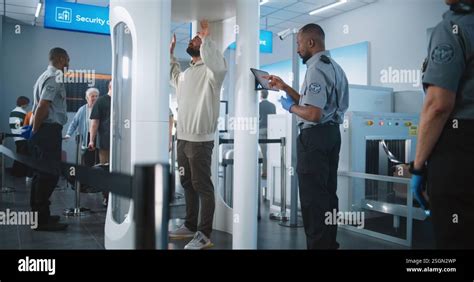
Security experts note that American Airlines acted responsibly in halting the flight, evacuating the aircraft, and conducting a full sweep. However, the case places new pressure on the broader aviation industry to strengthen defenses without degrading passenger experience.
As travel volumes continue to surge in the post-pandemic rebound, airport authorities and airline operators are tasked with striking a delicate balance. Emerging solutions like biometric access, AI-based passenger monitoring, and automated threat detection are gaining attention. Yet implementation across major airports remains uneven.
Meanwhile, TSA and FAA regulators are expected to conduct their own investigations into the breach, with potential implications for future policy revisions and funding priorities.
Economic Consequences: The Hidden Costs of Chaos
The $60,000 fine levied against Beaulieu only tells part of the story. The economic toll of such incidents is often underestimated. Beyond direct costs, there are legal expenses, media damage control, and compensation for disrupted travelers.
Even more impactful is the damage to brand reputation. Airlines live and die by customer trust, and any perception of inadequate security can sway frequent fliers toward competitors. American Airlines, already navigating a competitive marketplace, must now work overtime to reassure its customer base.
Philadelphia Airport Faces Scrutiny
As the primary location of the incident, Philadelphia International Airport faces difficult questions. No public announcements have been made regarding disciplinary actions against security staff involved, but internal sources confirm that a comprehensive audit of security infrastructure and staff protocols is underway.
The airport’s leadership is under pressure to deliver changes quickly, especially as travel volumes surge during peak seasons. From enhanced physical barriers to more robust staff training programs, every option is reportedly on the table.
Global Wake-Up Call: What This Means for Aviation Safety
The Beaulieu incident is not an isolated case but rather a stark warning sign for global aviation. As airports worldwide grapple with evolving security challenges, this episode serves as a reminder that even highly secure systems must adapt to unexpected behavior.
For American travelers and international observers alike, the breach poses unsettling questions: How many similar gaps exist in other airports? How quickly can they be closed? And what protocols can be put in place to stop another individual from repeating the same mistake?
The Final Cost: More Than Just Dollars
The case of Jonathan Beaulieu is more than a headline-grabbing tale of misjudgment—it’s a multi-layered cautionary narrative about accountability, system design, and the fragility of public confidence.
American Airlines may recover the $59,143 it lost, and Beaulieu may serve out his probation. But the psychological toll of such incidents—on passengers, crew, staff, and stakeholders—lingers long after the gates reopen.
As the aviation industry looks ahead, the lessons from this Philadelphia security breach are unmistakable: one man’s poor decision can paralyze an entire airport, reroute lives, and expose flaws that demand immediate repair.