Traveling with a Onewheel can add a thrilling layer of adventure to any journey. The idea of carving through scenic paths or urban backdrops in a new destination is undeniably appealing. However, when it comes to air travel, bringing your Onewheel along isn’t as straightforward as packing a pair of sneakers. Due to the high-capacity lithium-ion batteries that power these boards, airline and federal regulations place strict limits on what’s allowed on board. In this comprehensive guide, we explore the nuances of traveling with a Onewheel by air, the role of battery size in transportation rules, and how riders can legally and safely fly with their favorite personal electric vehicle.

Understanding FAA Battery Regulations and Airline Policies
The Federal Aviation Administration (FAA) plays a pivotal role in determining what is and isn’t allowed on commercial flights. According to FAA guidelines, lithium-ion batteries are classified based on their watt-hour (Wh) ratings:
- Batteries up to 100 Wh are generally allowed in carry-on baggage without prior airline approval.
- Batteries between 101–160 Wh may be carried in carry-on luggage, but only with airline approval and typically in limited quantities (no more than two spares).
Anything exceeding these limits is prohibited from passenger flights, particularly when carried inside an installed device such as a Onewheel. Since many Onewheel models exceed the 160 Wh threshold, they fall into a restricted category for air travel.
Which Onewheel Models Are Eligible for Air Travel?
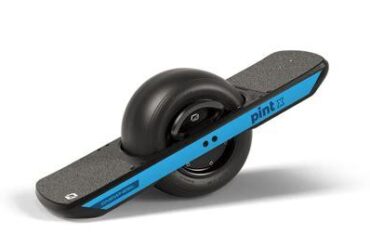
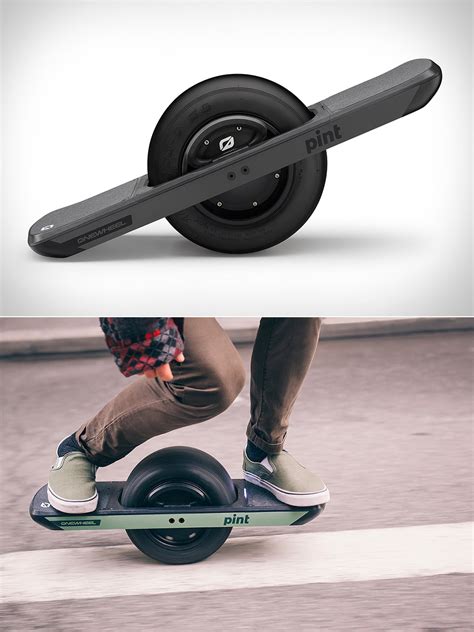
As of the latest product lineup, the only model that potentially meets FAA guidelines is the Onewheel Pint. This board is equipped with a 147 Wh battery, which sits under the 160 Wh ceiling. However, even though it technically qualifies, travelers are not automatically cleared to fly with it.
Airline approval is still required and must be obtained in advance. Each airline maintains its own safety policies and may interpret FAA guidelines with varying levels of strictness. This means:
- You must contact the airline directly to request permission.
- Some airlines might deny your request outright, regardless of compliance with watt-hour limitations.
- It’s recommended to secure written confirmation from the airline for reference at check-in or security.
Why Larger Onewheels Are a No-Go for Passenger Flights
Models such as the Onewheel XR, Onewheel GT, and GT S-Series are equipped with batteries significantly larger than 160 Wh, putting them well beyond FAA limits for carry-on or checked baggage. Attempting to bring these boards on a plane, even disassembled, can lead to confiscation, fines, or worse — security detainment.
Due to the high energy density and fire risk associated with lithium batteries, the FAA places these products under the classification of “Dangerous Goods.” In many cases, even if the board is powered off, its presence in the cargo hold or cabin is strictly prohibited.
Alternative Options: Shipping Your Onewheel Battery Separately
If you’re determined to ride your Onewheel at your destination, there are a few creative — and regulation-compliant — workarounds:
1. Remove and Ship the Battery Separately
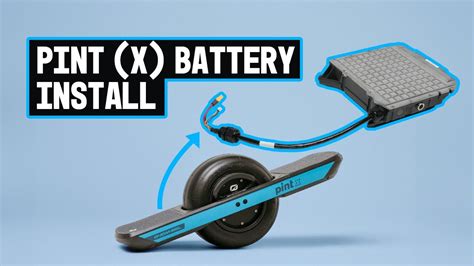
By removing the battery from the board, your Onewheel becomes essentially inert and may be eligible for air transport without restrictions. The battery, on the other hand, must be shipped separately via ground or sea freight, which are governed by different safety standards.
Make sure to:
- Follow manufacturer instructions or use verified tutorials to safely remove the battery.
- Use certified packaging materials designed for lithium batteries.
- Clearly label the shipment as containing lithium-ion batteries.
This process often involves cost and coordination, but it allows riders to fly legally while reuniting with their power pack at the final destination.
2. Purchase a Battery at Your Destination
Some seasoned travelers arrange to have a spare battery delivered ahead of time to their travel destination. This can be done by purchasing from authorized retailers like Onewheel.com and coordinating delivery to a local address. When you arrive, simply reinstall the battery and resume riding.
However, if you’re switching batteries with different serial numbers, you must use the Onewheel App to reactivate the board. This is a crucial step, as failure to do so will result in a non-functioning board.
Documentation and Proof of Battery Removal
It’s not enough to simply tell the airline or security staff that your board’s battery has been removed. You should be ready to demonstrate or provide evidence of battery removal:
- Take photos showing the battery compartment open and the battery detached.
- Bring along documentation or instruction manuals that outline the battery’s specs and removal process.
- Be prepared to explain why and how the battery was removed if asked during screening.
These precautions not only facilitate a smoother experience but may also prevent the board from being flagged or held up by TSA or airline staff.
Risks of Mishandling High-Capacity Lithium Batteries
Lithium batteries, particularly those used in high-powered electric vehicles like Onewheel, pose serious safety hazards if improperly handled. Missteps in removal, packaging, or installation can result in:
- Electrical short circuits
- Thermal runaway leading to fires or explosions
- Permanent damage to your board’s internal components
- Legal liability in the event of injury or property damage

Always ensure that your board is serviced by a qualified technician or that you have thoroughly reviewed safety materials before proceeding. Wear protective gloves, avoid contact with exposed wires, and do not tamper with the battery casing.
International Travel: What You Need to Know
When flying outside the United States, FAA regulations may no longer apply — but that doesn’t make things easier. Each country has its own civil aviation authority, and their policies on lithium battery transport can be even more stringent.
Before booking international travel:
- Check the destination country’s aviation guidelines on lithium batteries.
- Contact the airline’s international office for their specific policy.
- Be aware that some countries have outright bans on electric rideables in checked or carry-on baggage.
Additionally, international customs authorities may scrutinize incoming packages containing high-capacity batteries. When shipping your battery separately, ensure that you include customs declarations, and factor in possible delays due to inspections.
The Verdict: Can You Bring a Onewheel Onto a Plane?
Technically, yes — but with critical caveats. Only the Onewheel Pint, with its 147 Wh battery, meets the FAA threshold for in-cabin lithium batteries and can be considered for air travel, with airline approval. Larger models like the GT or XR are unequivocally prohibited on passenger planes in their assembled form.
For those flying with a different model, the most viable options are:
- Remove the battery and ship it by ground or sea.
- Purchase a battery at your destination.
Always plan ahead. Airlines are generally cooperative when given advanced notice and clear documentation. Last-minute surprises at the airport can ruin a trip and cost you your board. And above all, prioritize safety. Mishandling lithium batteries is not only dangerous — it’s potentially catastrophic.
Final Tips for Onewheel Air Travel
To make your experience seamless, here are a few closing recommendations:
- Document everything: from airline approvals to battery specs.
- Know the serial numbers: helpful for reactivation and security verification.
- Carry tools: a basic toolkit helps with battery removal or reassembly on arrival.
- Use certified freight services: don’t risk improper shipping methods.
- Monitor airline policies: they change frequently in response to safety trends.
In the evolving world of electric mobility, rules around battery-powered devices are becoming increasingly complex. With foresight and caution, however, you can bring the thrill of Onewheeling with you — even across the skies.