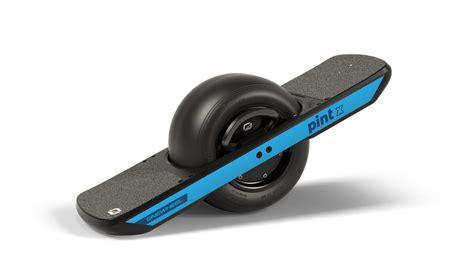
Riding a OneWheel isn’t just a purchase—it’s an entry into an entirely different lifestyle. At first glance, the $1,400 USD price tag may raise eyebrows, especially when framed as nearly 100 hours of work at $15/hour. But as we peel back the layers, a clearer picture emerges—one that isn’t just about monetary value, but also the emotional, practical, and long-term benefits this unique electric board provides.
The conversation surrounding OneWheel pricing often splits into two camps: those who see the cost as a steep investment with alternatives offering better specs, and those who insist the ride is priceless due to the physical, mental, and lifestyle enhancements it brings.
Personal Fulfillment and Mental Health: A Priceless Ride
For many riders, the emotional value of a OneWheel far exceeds the initial cost. Enthusiasts describe it not just as a hobby, but as a life-altering experience. Comments from owners frequently emphasize how riding has pulled them out of depressive episodes or offered a unique mental clarity—one user even declared it was “worth 10× what they sell for.”
The therapeutic aspect of gliding through nature or carving through urban streets offers an adrenaline-infused meditation. The feeling of freedom, flow, and control mirrors that of surfing or snowboarding—but on a daily basis, right from your front door. In a society increasingly affected by stress, anxiety, and burnout, this form of movement therapy carries intangible yet powerful value.

Cost per Mile: Efficiency Redefined
When broken down by usage, the OneWheel’s cost becomes surprisingly economical. The XR model, for example, is often reported to clock between 1,400 and 8,000 miles over its lifespan. Even at the lowest estimate, that equates to $1 per mile, and in many real-world cases, as low as $0.23 per mile—a level of efficiency on par with or better than most urban transport options.
Maintenance costs remain minimal. Unlike e-bikes or scooters, OneWheels feature a compact, solid-state design with few moving parts. Outside of tire replacement and occasional firmware updates, the operational expenses are refreshingly low. Over time, this strengthens the argument that a OneWheel is not only fun, but also a practical mobility tool.
The Joy/Utility Ratio: More Than a Commute
It’s easy to misclassify the OneWheel as a mere toy or recreational gadget. But owners frequently cite their board as a daily utility vehicle. Whether it’s grabbing coffee, doing quick grocery runs, or commuting short distances, the board integrates seamlessly into daily life. And unlike most commutes, riding a OneWheel actually becomes a highlight of the day.
Moreover, this dual-purpose nature—both functional and exhilarating—positions the OneWheel in a category all its own. Unlike traditional e-scooters or bikes that may feel utilitarian, this device offers joy with every ride. The ROI, then, is measured not just in dollars per mile but in stress relief per minute.
Comparative Value: A Case Against High-Tech Equivalents
Let’s consider the alternatives: for $1,400, consumers might opt for a flagship smartphone, a mid-range laptop, or a decent e-bike. But none of these items offer the immersive experience or versatility of a OneWheel. A smartphone may entertain or connect, but it doesn’t improve your physical health or mental well-being. A laptop helps you earn, but it doesn’t provide a tangible escape from the digital world.
Similarly, high-end bicycles or snowboards with gear and lift tickets might rival the OneWheel in upfront cost. Yet their seasonal or situational limitations—snow, location, time constraints—restrict their utility. The OneWheel, by contrast, is a 365-day experience, useful whether you’re navigating fall trails or summer sidewalks.
Built to Last: Durability and Resale Strength
The construction quality of OneWheel devices justifies much of their cost. Designed to withstand serious abuse, these boards are often described as being “built like tanks.” Riders confidently take them on dirt trails, over curbs, through rain and snow—all without compromising structural integrity.
This ruggedness also translates into high resale value. Unlike cheaper gadgets that depreciate rapidly, a well-maintained OneWheel retains a significant portion of its cost. Pre-owned boards, especially XRs, continue to fetch strong prices in secondary markets, meaning that even if you upgrade or exit the community, your financial investment isn’t lost.
The Critic’s View: Valid Points of Practicality
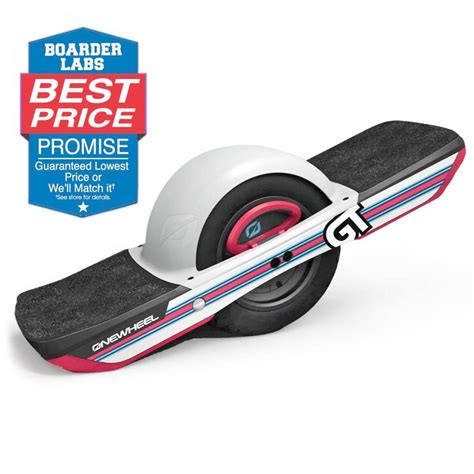
Despite the glowing testimonials, cost-conscious critics raise fair points. The $1,400 price tag doesn’t tell the whole story. By the time you purchase essential accessories—helmets, lights, fenders, or upgraded footpads—the total may balloon to $1,800 or more. International buyers also contend with import duties, which can add substantial extra cost.
There’s also the matter of range and speed. Competing e-bikes or scooters often deliver longer travel distances, greater cargo capacity, and easier learning curves for a similar or lower price. These vehicles also enjoy broader legal acceptance and infrastructure, such as dedicated bike lanes and repair services, that OneWheel riders may not benefit from.
In addition, digital rights management (DRM) within OneWheel’s software ecosystem has been a point of contention. Critics argue it restricts repairs or third-party modifications, creating dependency on the manufacturer. For the tinkering enthusiast, this may feel limiting.
The Learning Curve and Bias Caveat
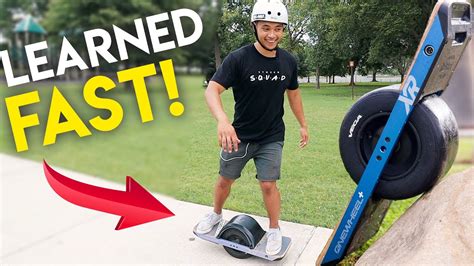
OneWheel mastery doesn’t come instantly. New riders face a steep learning curve that includes potential falls and the need for protective gear. While many users describe it as intuitive after a few sessions, the early days can be intimidating—especially for older adults or those with balance challenges.
Moreover, because much of the discussion takes place in dedicated forums and online communities, there’s an understandable bias. Those who have invested in the product are more likely to praise it and less likely to be objective about its flaws. It’s essential to approach the hype with a critical eye.
The Final Verdict: Passion vs Practicality
In the final calculus, the value of a OneWheel is profoundly subjective. For someone seeking purely functional urban transport, an e-bike or scooter might make more sense. But for individuals prioritizing freedom, joy, stress relief, and active engagement with the world, the OneWheel becomes much more than a transportation tool.
It’s a form of personal expression. A slice of adrenaline in your day. A reason to go outside. A link to a vibrant global community of riders who find common ground in balance, motion, and creativity. It might not be the cheapest ride—but for the right person, it’s absolutely worth every cent.

Bottom Line: Does $1,400 Buy Freedom?
While $1,400 is no small investment, what it buys is far more than a motorized board. It buys mobility, exhilaration, and often, mental wellness. It’s an antidote to routine, a tool for connection, and a vehicle of purpose and pleasure.
In a world that constantly demands productivity, a OneWheel offers a rare gift: the freedom to just ride.