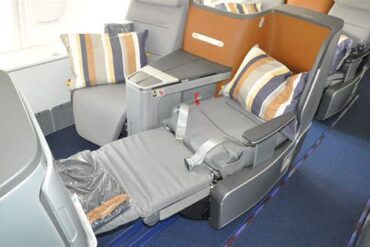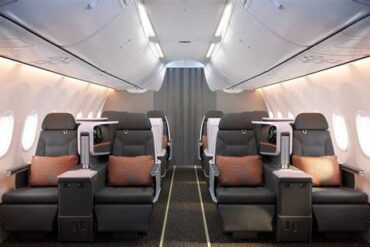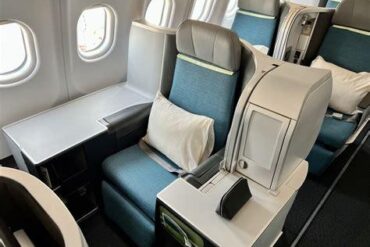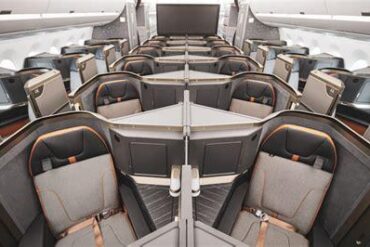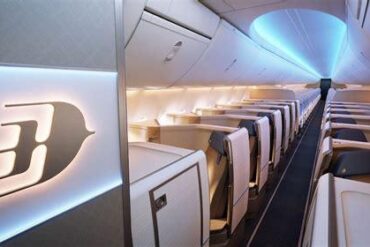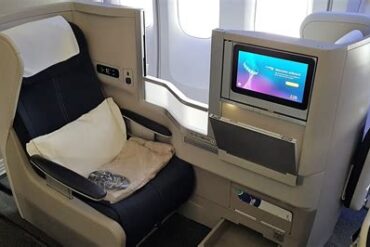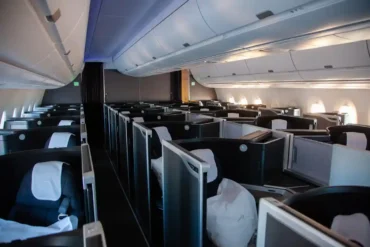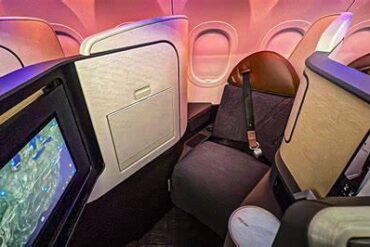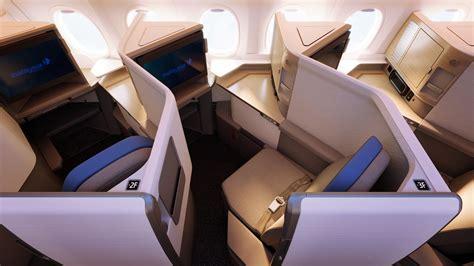
Crossing the Atlantic overnight has always been a test of endurance, but the rise of lie-flat business class cabins has turned that experience into something far closer to a boutique hotel stay at 35,000 feet. The catch, of course, is the price. While booking business class outright can feel prohibitively expensive, upgrading—especially closer to departure—offers a strategic backdoor into this premium world. The question is not whether it’s possible, but how much you should realistically expect to pay.
The answer isn’t a single number. Instead, it’s a dynamic range shaped by airline strategy, cabin availability, loyalty programs, and timing. A traveler flying from New York to London might see upgrade offers swing from $800 to over $5,000, sometimes within the same week. Understanding why those numbers fluctuate—and how to spot the sweet spot—can make the difference between overpaying and scoring a genuinely smart deal.
What makes this particularly compelling is that airlines actively want you to upgrade. Empty business class seats represent lost revenue, so carriers increasingly deploy targeted offers, bidding systems, and mileage redemptions to fill those premium cabins. For travelers willing to play the game, there’s real opportunity.
By the time you finish reading, you’ll know exactly what drives upgrade pricing, how major airlines structure their offers, and what a “good deal” actually looks like in today’s market.
What Drives the Price of a Business Class Upgrade
At its core, the cost of upgrading to lie-flat business class on transatlantic flights is governed by supply, demand, and timing—but the nuance lies in how airlines package those variables.
The biggest factor is your original ticket. Upgrading from premium economy is significantly cheaper than upgrading from standard economy, sometimes by as much as 150% to 200% less. Airlines treat premium economy passengers as already halfway into the premium experience, so the pricing gap narrows accordingly. In contrast, jumping from economy to business class is seen as a full leap across cabin classes—and priced accordingly.
Route popularity also plays a decisive role. High-demand corridors like London–New York or Paris–Boston consistently command higher upgrade fees, particularly during peak travel seasons. Summer transatlantic flights and holiday periods can push upgrade costs into eye-watering territory, occasionally reaching $8,000 for last-minute availability.
Timing is another subtle but powerful lever. Early upgrade offers tend to be conservative—airlines test your willingness to pay. As departure approaches, unsold seats may trigger aggressive discounting, but only if demand hasn’t already filled the cabin.
Finally, loyalty status and points availability can tilt the scales dramatically. Travelers with miles or elite status often access reduced upgrade pricing or priority availability, making the same seat far cheaper for one passenger than another.
United Airlines Polaris Upgrade Costs and Strategy
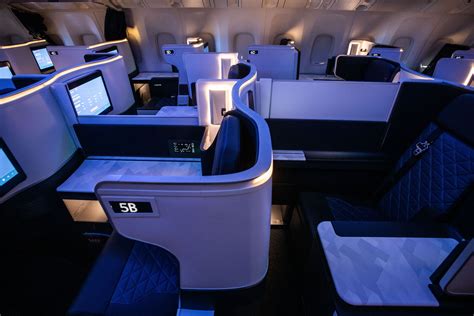
United Airlines has built a strong reputation with its Polaris business class product, offering consistent lie-flat seating across its widebody fleet. For transatlantic travelers, upgrading into Polaris is one of the most common—and variable—paths into premium travel.
Typical upgrade pricing from premium economy to Polaris starts at around $1,000, but frequently climbs to $1,400–$2,800 on competitive routes like London to New York. During peak demand periods, that figure can escalate dramatically, sometimes reaching $5,000 or more, especially when only a handful of seats remain.
What makes United particularly flexible is its hybrid upgrade system. Travelers can pay with cash, miles, or a combination of both, allowing for creative optimization depending on what you have available. Mileage upgrades often require a co-pay, which can still total several hundred dollars, but may represent strong value compared to full cash upgrades.
Beyond the seat itself, Polaris upgrades unlock a comprehensive premium ecosystem. Lounge access is a standout feature, with Polaris lounges offering restaurant-style dining, spa-like showers, and quiet workspaces. For business travelers landing early in Europe, that pre-flight environment can be as valuable as the onboard sleep.
JetBlue Mint: Premium Experience with Competitive Upgrade Paths
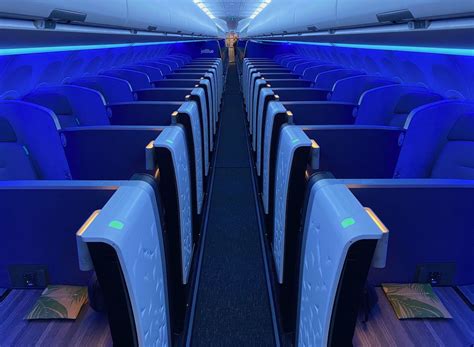
JetBlue’s Mint cabin has carved out a reputation as one of the most innovative business class products across the Atlantic, particularly on its Airbus A321LR and A321neo aircraft. With private suites, sliding doors, and a sleek 1-1 layout, Mint often feels more like a boutique hotel than an airplane cabin.
Upgrading into Mint typically costs over $1,000, especially for its premium Mint Studio seats, which offer additional space and upgraded amenities. However, JetBlue introduces a unique loyalty-driven pathway through its Move to Mint certificates, earned through frequent travel or credit card spending.
The structure is straightforward but demanding: earning enough “tiles” through JetBlue’s ecosystem unlocks upgrade certificates, effectively converting loyalty into premium cabin access. For frequent travelers, this can reduce upgrade costs dramatically—sometimes to near zero out-of-pocket expense.
What sets Mint apart is its balance between price and product quality. Industry rankings consistently place it at the top of North American premium cabins, meaning that even at $1,000+, the value proposition often outperforms competitors charging significantly more.
British Airways Club World and Club Suites Pricing Breakdown
British Airways offers one of the most structured upgrade systems, with clearly defined pricing bands depending on your starting cabin. Moving from World Traveller Plus (premium economy) to business class typically costs between $800 and $2,000, while upgrading from standard economy ranges from $1,000 to $3,000.
For travelers using Avios points, the upgrade cost usually falls between 24,000 and 30,000 Avios for a one-way jump from premium economy. However, availability is tightly controlled. Even if a business class seat is for sale, it doesn’t guarantee upgrade eligibility using points—a nuance that often catches travelers off guard.
The onboard experience itself varies depending on aircraft. British Airways now operates two distinct business class products: the legacy Club World and the newer Club Suites. The latter introduces privacy doors, forward-facing seats, and significantly more storage space, transforming the experience into something far more modern and competitive.
On the ground, British Airways reinforces its premium positioning with extensive lounge access, particularly at London Heathrow. Spacious environments, full dining menus, and dedicated work areas make the upgrade feel valuable well before boarding begins.
Virgin Atlantic’s Bid-to-Upgrade System Explained
Virgin Atlantic takes a different approach with its “bid for upgrade” system, injecting an element of strategy—and a bit of азарт—into the process. Instead of fixed pricing, passengers submit an offer within a suggested range, and the airline decides whether to accept it.
Bidding typically opens between two and seven days before departure, creating a narrow window where pricing uncertainty meets opportunity. A strong bid can secure a seat at a fraction of the standard upgrade cost, but there’s no guarantee of success.
The airline’s Upper Class cabin delivers a distinct experience, emphasizing social spaces as much as privacy. Features like onboard lounges, cocktail bars, and communal seating areas make it particularly appealing for travelers who value interaction alongside comfort.
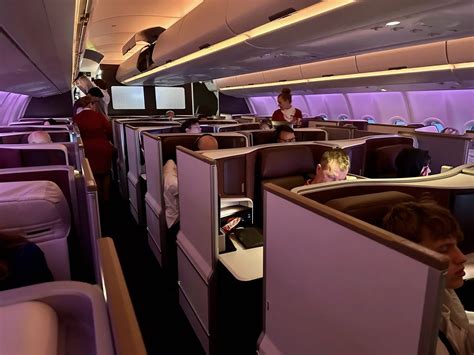
On the ground, Virgin Atlantic’s Clubhouse at Heathrow stands out as one of the most unique premium lounges in the world, offering everything from Peloton bikes to full-service dining. When evaluating upgrade value, these extras play a meaningful role—especially on overnight flights where pre-flight relaxation enhances overall rest.
How to Calculate a “Good Deal” for Business Class Upgrades
With such wide pricing variability, defining a “good deal” requires a more analytical approach. Frequent travelers often rely on a cost-per-hour metric, using flight duration to benchmark value.
For transatlantic routes averaging 6 to 8 hours, an upgrade priced at $75 to $100 per hour is widely considered excellent. That translates to roughly $450 to $800 total, a range that—while not common—is achievable under the right conditions.
More typical “fair value” upgrades fall between $1,000 and $2,000, especially when upgrading from premium economy. Beyond that threshold, the decision becomes more subjective. Factors like sleep quality, work productivity, and arrival condition start to outweigh pure financial calculations.
It’s also important to factor in hidden costs and extras. Wi-Fi access, seat selection fees, and airline-specific surcharges can subtly inflate the true cost of your upgrade. Conversely, lounge access, priority boarding, and baggage allowances add tangible value that offsets the price.
When You Should Upgrade—and When You Shouldn’t
Upgrading makes the most sense on overnight eastbound flights, where sleep directly impacts your next day. Arriving in Europe well-rested can effectively add an extra day to your trip, making the upgrade feel less like a luxury and more like a productivity investment.
Daytime westbound flights, on the other hand, often deliver less value. If you’re not planning to sleep, the premium for a lie-flat seat may not justify the cost—especially if premium economy offers sufficient comfort.
Another key consideration is your travel purpose. Business travelers can often justify higher upgrade costs due to productivity gains, while leisure travelers may prioritize budget allocation toward experiences at the destination.
Ultimately, the smartest travelers set a personal price ceiling before even seeing upgrade offers. Without that discipline, it’s surprisingly easy to rationalize increasingly expensive upgrades in the heat of the moment—especially when the promise of a fully flat bed is just one click away.
The Bottom Line: What You’ll Actually Pay
Across all major carriers, the realistic cost to upgrade to lie-flat business class on transatlantic flights falls into a few clear bands:
- $800–$1,200: Rare deals, usually from premium economy or during low demand
- $1,200–$2,500: Most common range for competitive routes
- $2,500–$5,000+: Peak travel periods or last-minute scarcity
- Miles + cash combinations: Variable, often offering strong value if optimized
The real advantage lies in understanding when those numbers shift—and positioning yourself to act when they do. Airlines have made upgrading more accessible than ever, but they’ve also made pricing more dynamic. Navigating that landscape successfully requires timing, flexibility, and just enough restraint to avoid overpaying.
For those who get it right, the reward isn’t just a better seat—it’s an entirely different way to cross the Atlantic.