Travelers flying with American Airlines often wonder whether a backpack qualifies as a carry-on. The answer is more nuanced than a simple yes or no. The key lies in understanding American Airlines’ size limitations, TSA rules, and how personal items differ from carry-on bags. In this guide, we explain all the essentials in detail to help you confidently pack for your trip—especially if you plan to bring a backpack as your primary carry-on.
Understanding American Airlines Carry-On Policy
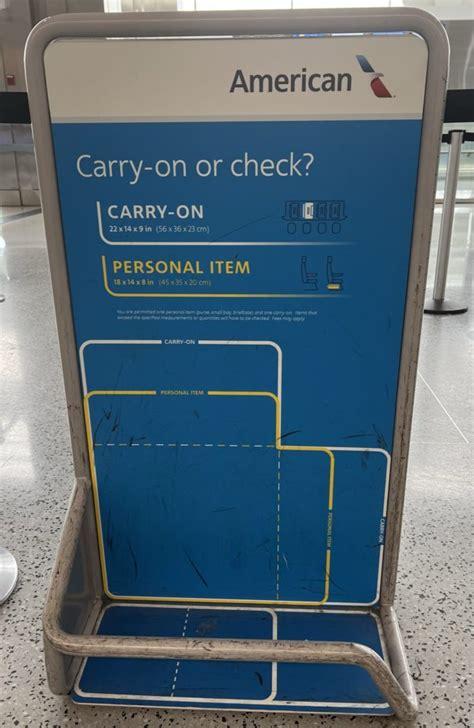
American Airlines allows one carry-on bag and one personal item per passenger. The carry-on bag must not exceed 22 x 14 x 9 inches (56 x 36 x 23 cm), including handles and wheels. A backpack qualifies as a carry-on if it fits within these dimensions.
Many travelers opt for backpacks because they’re easier to carry, often more flexible, and less likely to be gate-checked than rolling suitcases. However, the bag’s shape and how it’s packed are critical factors. A 40L backpack, such as the Lovevook mentioned in popular forums, often fits within these parameters, but it must be packed strategically to avoid bulging beyond limits.
What Is Considered a Personal Item on American Airlines?
In addition to your carry-on, American Airlines permits a personal item that must fit under the seat in front of you. Typical personal items include:
- Small backpacks
- Laptop bags
- Purses
- Messenger bags
Personal items must typically be smaller than 18 x 14 x 8 inches (45 x 35 x 20 cm). This rule is where confusion often arises—especially for passengers carrying two backpacks. In theory, you can bring two backpacks—one classified as your carry-on and one as your personal item—as long as each conforms to the specific size restrictions.
Choosing the Right Backpack Size for Carry-On
A 40L backpack is a popular choice for carry-on luggage. Brands like Briggs & Riley, Osprey, and Lovevook design bags precisely for these travel situations. While volume (liters) gives a general sense of capacity, airlines go by external dimensions, not internal volume. Therefore, you must ensure that your 40L backpack remains within the carry-on dimension limits once fully packed.
A bag labeled 40L might meet the requirement when compressed but can exceed it if stuffed to capacity. This is especially true for soft-sided backpacks, which are prone to bulging.
TSA Guidelines for Liquids in Backpacks
Whether you use a backpack or any other form of carry-on, you must comply with the TSA’s 3-1-1 liquids rule:
- Liquids must be in containers of 3.4 ounces (100 mL) or less.
- All containers must fit in a single, clear, quart-sized bag.
- Only one such bag per passenger.
This rule applies to carry-on luggage, not checked bags. If you’re packing liquid toiletries, medications, or skincare, ensure they meet TSA requirements. Failure to comply may result in delays or the confiscation of items.
Strategic Packing: Avoid Gate-Checking
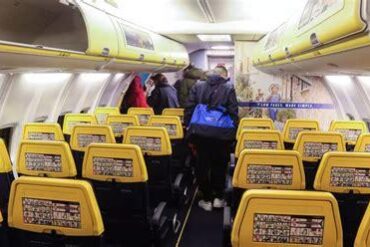
Backpacks are often preferred over wheeled suitcases for one crucial reason: they are less likely to be gate-checked. Especially on full flights, passengers boarding later may find overhead bin space limited. Airlines often ask for volunteers to check rolling bags at the gate. A slim backpack worn on the back is rarely targeted unless obviously oversized.
Travelers using the basic economy fare must be extra cautious. While American Airlines allows a full-size carry-on even for basic economy on most international and transcontinental routes, some domestic basic economy tickets only allow a personal item. Always confirm the rules on your specific ticket.
How Airlines Enforce Carry-On Rules
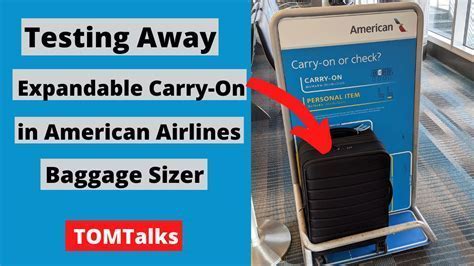
American Airlines uses carry-on sizers at check-in and boarding gates. These metal bins are the ultimate test. If your backpack fits easily inside the sizer, you’re good to go. If not, be prepared to check it. This is why soft backpacks that compress are advantageous—you can often mold them to fit in a tight space, unlike rigid suitcases.
Real Traveler Experiences: Forum Insights
Insights from communities like r/Flights provide real-world perspectives. Travelers commonly report successfully using 40-45L backpacks as carry-ons on American Airlines flights. The consensus is clear: airlines do not care what kind of bag you bring as long as it meets the size and weight restrictions.
One user mentions using a Briggs and Riley 40L backpack with hideaway straps, describing it as their go-to bag because it offers convenience, mobility, and efficiency. Another user highlights switching from a backpack to a messenger bag as a personal item to make it easier to navigate terminals hands-free.
These examples reinforce the importance of not just size, but also usability, comfort, and how your bag fits into your travel routine.
Best Backpack Features for Carry-On Use
To ensure your backpack works well as a carry-on, consider bags with the following features:
- Structured form to avoid over-packing
- Compression straps to minimize depth
- Dedicated laptop sleeve for easier TSA checks
- Multiple compartments for better organization
- Hideaway straps if you want to stow it cleanly
- Durable zippers and water-resistant material
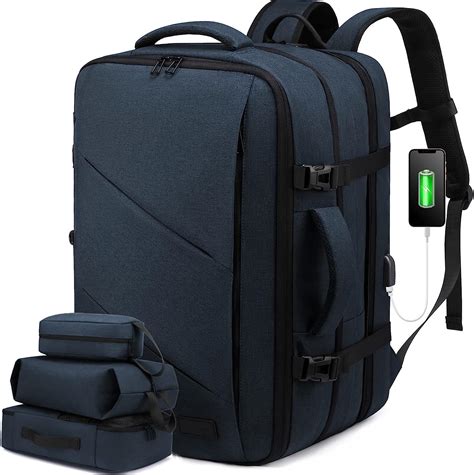
Bags like the Nomatic Navigator 32-40L, Tortuga Travel Backpack, and Peak Design 45L Travel Backpack offer excellent functionality for frequent flyers. These models often include quick-access panels, TSA-friendly laptop storage, and expandable volumes for flexibility.
Boarding Groups and Overhead Bin Space
The likelihood of securing overhead bin space depends heavily on your boarding group. American Airlines boards passengers in groups from 1 through 9. Travelers in Groups 1 through 4 (first-class, business, elite status holders, and priority boarding) enjoy early access to bins. Those in Groups 8 or 9, especially on full flights, may find themselves forced to check carry-on bags.
Using a compact, efficiently packed backpack can help mitigate this issue. If it’s small enough, you can always stow it under the seat as a last resort. That gives it a clear advantage over large rolling bags, which cannot fit under the seat and must go overhead.
Packing Two Backpacks: Is It Allowed?
Yes—you can travel with two backpacks on American Airlines, provided one is within carry-on dimensions and the other qualifies as a personal item. For example, a Lovevook 40L as carry-on, paired with a smaller 20L daypack or laptop bag, is entirely acceptable.
However, be strategic. Avoid appearing overburdened at boarding gates. Wear one backpack and carry the other or sling it across your shoulder. Travelers who appear organized and within policy are rarely challenged.
Final Verdict: Backpack as Carry-On? Absolutely, With Conditions
A backpack is not just acceptable as a carry-on for American Airlines—it is often one of the most practical options available. As long as it fits within the official 22 x 14 x 9 inch limit, you are free to use it as your main carry-on. Pair it with a smaller personal item and ensure compliance with TSA regulations, and you’ll enjoy a smooth, stress-free experience.
For best results, measure your backpack when packed and test it in a sizer bin. If your trip involves international segments or connecting flights on partner airlines, review their policies as well to ensure consistency.
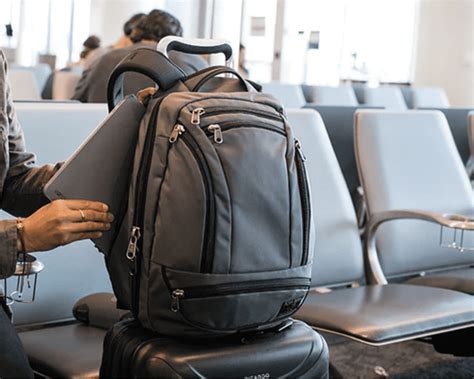
Ultimately, the most important factors are bag dimensions, not the style of the bag. Backpacks, when chosen wisely and packed efficiently, provide flexibility, ease of movement, and increased chances of keeping your bag with you in the cabin. When it comes to air travel in 2025, the well-chosen backpack is not just allowed—it’s preferred.