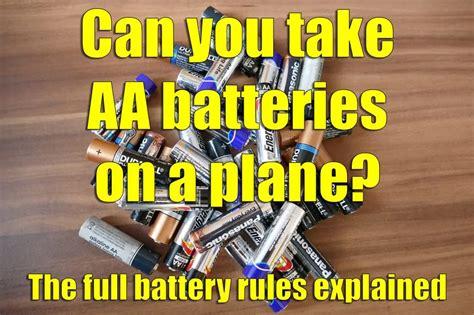
Traveling by air can feel overwhelming, especially when you haven’t flown in years. One common concern involves AA batteries and whether they’re permitted on a commercial flight. With the rise of electronic pain relief devices like TENS units, headlamps, and portable tech accessories, knowing what’s allowed in carry-on and checked baggage is crucial for both convenience and safety. In this article, we provide an authoritative and detailed look at whether you can bring AA batteries with you on a plane.
Understanding TSA and IATA Guidelines for Batteries
The Transportation Security Administration (TSA) and the International Air Transport Association (IATA) establish global norms regarding what battery types are allowed on aircraft. AA batteries—whether alkaline, lithium, or rechargeable NiMH (Nickel-Metal Hydride)—fall within these regulations.
Most AA batteries used in consumer electronics are either alkaline or NiMH. These are non-lithium chemistries, which are considered relatively low risk. According to TSA and IATA, these types of AA batteries:
- Are allowed in carry-on and checked baggage
- Do not need to be removed from devices
- Can be carried loose or in their original packaging
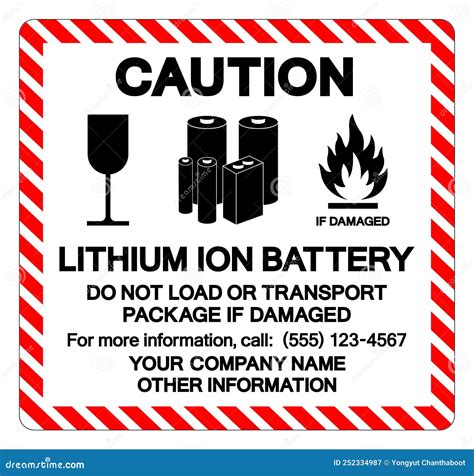
However, lithium AA batteries (not to be confused with lithium-ion or lithium-polymer rechargeable batteries) are subject to more scrutiny due to their fire risk. While still allowed in carry-on bags, they should not be placed in checked baggage if loose. This policy is meant to minimize fire hazards in the cargo hold.
Can You Carry AA Batteries Loose in a Bag?
While TSA allows loose AA batteries in your carry-on, the way you pack them matters. A plastic storage case or the original packaging is recommended to prevent short-circuiting, especially if you’re carrying multiple batteries. Travelers have reported mixed experiences:
“While traveling for a year, we had a ziplock baggy of spare batteries confiscated a couple of times. They said if they were in the package or the device it’s no problem but in a baggy is a no-no.”
This highlights how inconsistent enforcement across airports and countries can lead to unexpected confiscation. Best practice? Use hard plastic battery cases or ensure they are properly insulated.
AA Batteries Inside Devices Like TENS Units
TENS (Transcutaneous Electrical Nerve Stimulation) units are popular among travelers managing chronic pain or sciatica, and they typically run on AA batteries. Based on TSA regulations and traveler experiences, carrying a TENS unit with AA batteries inside is allowed, and even using it mid-flight is not prohibited.
“I just flew with my TENS unit on my back and running the entire time. Cords hanging down and all. They had no issues with it.”
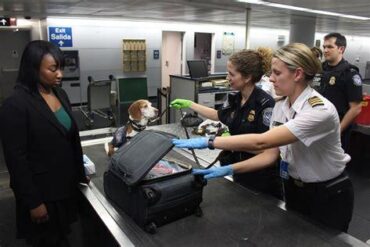
Still, it’s advisable to remove the unit during security screening and place it in a separate tray to avoid confusion during the X-ray process.
AA Batteries in Checked Luggage vs. Carry-On
The distinction between carry-on and checked baggage is critical. TSA allows alkaline AA batteries in both types of luggage. But when it comes to lithium metal AA batteries, caution is advised:
- Carry-on: Permitted, even if loose (though should be protected from short circuits)
- Checked baggage: Must be installed in a device. Loose lithium batteries are not permitted
The reason behind this policy is the risk of thermal runaway. If a lithium battery is damaged or short-circuited in the cargo hold, it could start a fire that’s harder to detect or extinguish.
What About Other Battery Sizes Like AAA or 9V?
While this article focuses on AA batteries, it’s helpful to understand that similar rules apply to AAA, C, D, and 9V batteries. TSA does not differentiate between these household types in most cases. What matters is their chemical composition (alkaline vs. lithium vs. NiMH):
- Alkaline AAA/C/D/9V: Allowed in both checked and carry-on
- NiMH Rechargeables: Also allowed in both, with no quantity restrictions
- Lithium Versions: Must follow the same rules as lithium AA batteries
Common Misconceptions Among Infrequent Flyers
A recurring theme among infrequent travelers is confusion about what is and isn’t allowed, especially with so many rule changes post-9/11 and due to evolving tech. One Reddit user who hadn’t flown in 20 years was concerned:
“My main concern was back pain, and when I searched for TENS, I haven’t got any result… Thankfully many people let me know.”
Many new or returning travelers don’t realize that while liquids over 3.4 oz are strictly regulated, solid items like batteries—particularly non-lithium AA batteries—face few restrictions when packed properly.
Security Tips for Traveling with AA Batteries
To ensure your batteries pass security checks smoothly and without delays, follow these precautions:
- Keep batteries in original packaging or protective cases
- Avoid mixing new and used batteries together
- Do not pack loose lithium batteries in checked luggage
- Show any unusual-looking electronic device separately at TSA (e.g., TENS units or headlamps)
Also, note that some international airports may have slightly different interpretations of IATA guidelines. When traveling abroad, check the specific airline and destination regulations to avoid surprises.
Why the Confusion Exists: Batteries Aren’t All the Same
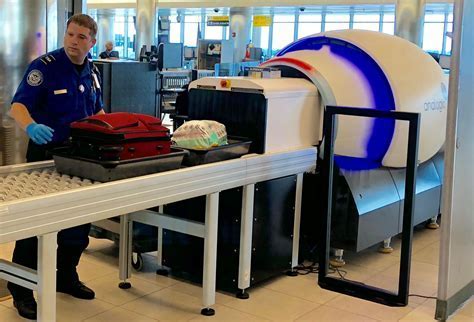
Much of the confusion stems from the complexity of battery chemistry. Many travelers assume all AA batteries are created equal, when in fact:
- Lithium AA batteries have higher energy density and are considered more volatile
- Alkaline AA batteries are low risk and pose little to no threat
- Rechargeable NiMH AA batteries are safe and environmentally friendly, often preferred by frequent travelers
The shape may be the same, but the chemical makeup and regulation vary significantly.
Final Word: Yes, You Can Bring AA Batteries, But Be Smart About It
To directly answer the question: Yes, you can bring AA batteries with you on a plane. Whether they are powering a TENS unit, stashed in your headlamp, or sitting as spares in your carry-on, they are permitted—within certain guidelines. Alkaline and NiMH AA batteries pose little risk, while lithium versions require extra caution.
The key is not just knowing the rules, but understanding the reasoning behind them. Batteries, while mundane in everyday life, become significant in aviation due to potential fire hazards and short circuits. Fortunately, by packing them correctly and following TSA best practices, you can fly with peace of mind and all the essential tools for comfort and functionality during your journey.