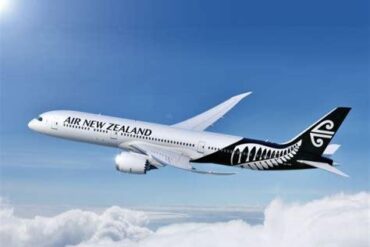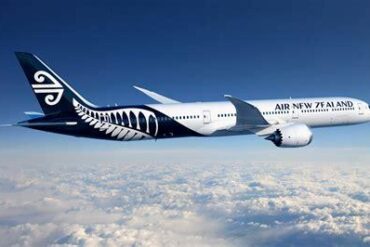
On July 27, 2025, an incident aboard an Air New Zealand flight from Perth to Auckland escalated into a serious mid-air emergency, leading to a diversion to Melbourne and the subsequent arrest, conviction, and jailing of a disruptive passenger. The offender, Swalyn Malaice Jackson Barton-Cookes, a 23-year-old male, now faces jail time and a hefty compensation bill exceeding NZ$10,000 for physically assaulting cabin crew members.
In-Flight Mayhem: The Timeline of Events
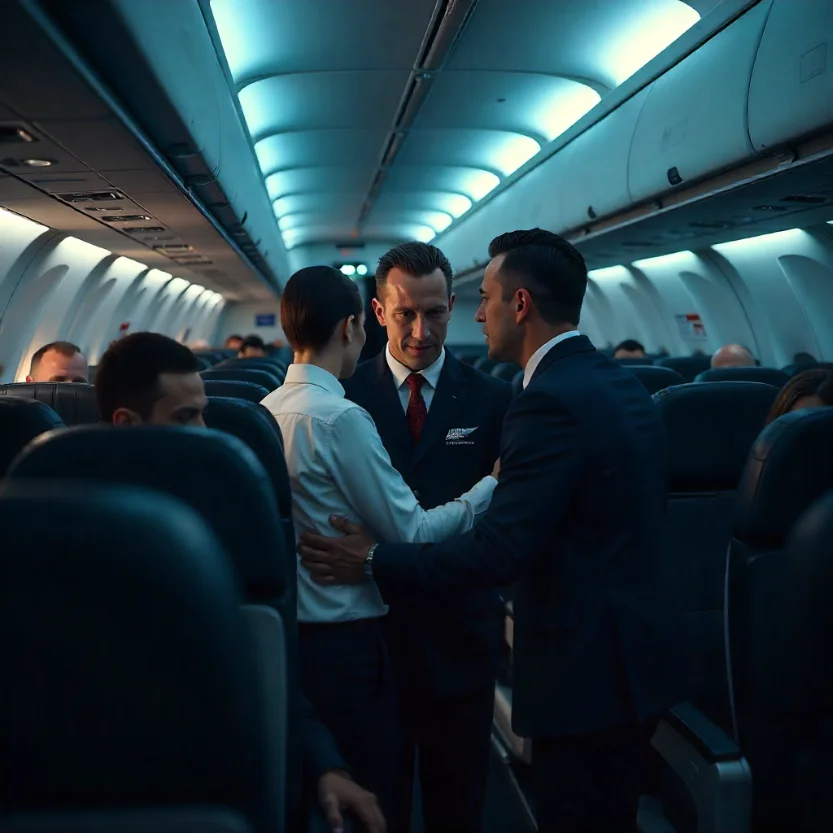
Shortly after takeoff, Barton-Cookes began behaving erratically. His loud, threatening outbursts directed toward both crew members and fellow passengers created a high-tension situation within the cabin. Witnesses on board described the atmosphere as unnerving, with panic spreading rapidly among passengers. The cabin crew manager intervened in an attempt to de-escalate the confrontation, but his efforts were met with violence. According to court documents and eyewitness testimony, Barton-Cookes grabbed the crew manager’s arm and attempted to headbutt him multiple times.
As the situation deteriorated further, additional passengers and crew members intervened, restraining the individual to prevent further harm. In light of the serious disruption and potential risk to flight safety, the pilot made the decision to divert the aircraft to Melbourne Airport (MEL). The diversion occurred smoothly, with the plane landing at approximately 01:50 without further incident.
Swift Law Enforcement Action at Melbourne Airport
Upon touchdown, Australian Federal Police (AFP) officers boarded the aircraft and arrested Barton-Cookes on the spot. He was charged with two counts of assaulting airline crew, a serious criminal offense under Australian aviation law. Authorities conducted further interrogation and prepared a case for prosecution based on the testimonies of affected crew and passengers.
In court proceedings held on April 17, 2025, Barton-Cookes entered a guilty plea, although he claimed to have no memory of the events. Regardless, the judicial system handed down a clear and stern verdict. The 23-year-old was sentenced to jail and ordered to pay NZ$10,824 in fines and compensation, marking a substantial penalty that serves as a deterrent to future offenders.
Law Enforcement Reaction: No Tolerance for Onboard Violence
Detective Superintendent Stephen Cook of the AFP condemned the attack and reaffirmed the authorities’ unwavering stance on protecting airline crew. “The assault of aviation workers will not be condoned under any circumstances,” Cook emphasized. He highlighted that such violent behavior doesn’t merely affect crew morale but actively endangers the safety of the entire flight, creates emergency diversions, and places stress and trauma on all passengers.
Cook reiterated that the AFP remains committed to ensuring the wellbeing and security of everyone onboard, warning that those found guilty of similar offenses will face imprisonment and financial penalties. The investigation and prosecution in this case stand as an unmistakable signal that air rage incidents carry severe legal consequences.
In-Flight Misconduct: A Growing Global Concern
This disturbing episode is part of a wider pattern of unruly passenger behavior that airlines and law enforcement agencies across the globe are grappling with. Notably, just days prior on July 19, 2025, a JetBlue flight faced an incident in which two passengers were arrested for lewd behavior in front of minors, further highlighting the breadth of in-flight disruptions now being recorded across various airlines.
Authorities and industry leaders have repeatedly voiced concern over the increasing frequency of such misconduct, stressing the emotional toll, logistical disruptions, and financial burden caused by each incident. For airline staff who are trained to manage routine and emergency procedures, dealing with unpredictable and aggressive passengers now poses an escalating occupational hazard.
Economic and Operational Consequences for Airlines
Beyond the immediate legal fallout for the perpetrator, such disturbances result in tremendous cost burdens for airlines. A diversion to a different airport, as was necessary in the Barton-Cookes case, incurs expenses related to fuel, crew overtime, passenger rebooking, and airport fees. In addition, there are often extended delays, schedule disruptions, and negative brand reputational impacts, especially when incidents go viral or spark outrage among the traveling public.
Flight safety regulators worldwide are increasingly calling for stricter penalties and enhanced preventative measures, ranging from stricter boarding assessments to real-time crew alert systems and expanded legal frameworks that enable cross-border prosecution of such acts.
Airlines and Regulators Respond with Stricter Policies
In response to this alarming trend, many global carriers, including Air New Zealand, have revised their conduct policies, emphasizing zero-tolerance for aggressive behavior. Passengers are now routinely informed of the legal ramifications of in-flight violence through pre-flight briefings and inflight entertainment systems.
International aviation bodies such as IATA (International Air Transport Association) are also collaborating with governments and airport security agencies to promote a global standard for dealing with unruly passengers. Among the key reforms under consideration:
- Passenger blacklists shared across carriers
- Heavier fines and multi-jurisdictional prosecutions
- Crew self-defense training and enhanced restraint equipment
- Data sharing protocols to track repeat offenders
The Broader Implications for Passenger Rights and Responsibilities
The Barton-Cookes incident serves as a chilling reminder that every passenger shares a collective responsibility to maintain the order and safety of the flight environment. Infringing on this principle doesn’t just lead to personal penalties, but can jeopardize lives and significantly affect fellow travelers.
Legal experts argue that stricter guidelines should be accompanied by public awareness campaigns targeting the psychological, social, and legal consequences of violent conduct on board. The average passenger must now understand that civilian aircraft are not immune from law enforcement, and that behavior once dismissed as “drunken antics” or “stress reactions” is no longer acceptable in today’s high-security air travel landscape.
Conclusion: A Turning Point for Aviation Security Enforcement?
With incidents such as the Barton-Cookes assault gaining widespread attention, regulatory bodies, airlines, and law enforcement appear more unified than ever in their approach. The incident not only triggered a swift and effective legal response, but also ignited broader conversations about the future of air safety, passenger conduct, and crew protection.
As passenger volumes return to pre-pandemic levels and flights operate at full capacity once again, airlines can no longer afford leniency in these cases. The future of civil aviation may well depend on a harmonized global framework, under which assaults against airline personnel are treated with the same severity as crimes committed on land.
The message is unmistakable: violence in the skies will not be tolerated. Barton-Cookes’ sentencing stands as both a legal precedent and a societal statement — that the sanctity of the cabin must be upheld at all costs, and that no passenger is above the law at 30,000 feet.