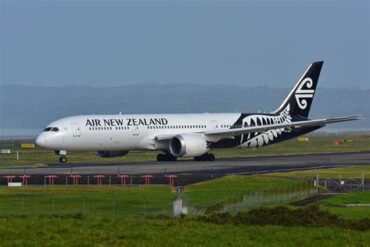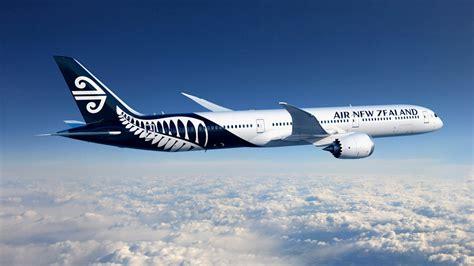
In a transformative move that underscores the rising momentum of global aviation recovery, Air New Zealand has unveiled an ambitious expansion plan that is set to reshape air connectivity between New Zealand, the United States, and China. With over 34,000 additional seats being added across its transpacific and Asia-Pacific network, the airline is positioning itself as a trailblazer in delivering enhanced passenger experiences and greater accessibility. This capacity surge is driven by the deployment of next-generation Dreamliners, which not only boost efficiency but also redefine in-flight comfort and technological integration.
The expansion coincides with surging demand for long-haul travel as passengers seek seamless, high-quality journeys between key global hubs. By reinforcing its routes between Auckland and major North American and Asian cities, Air New Zealand is not merely increasing capacity — it is revolutionizing air travel standards with a dual focus on network growth and premium service delivery.
A Bold Leap: 34,000 New Seats Strengthen U.S.–New Zealand Air Links
Air New Zealand’s transpacific operations will see a significant enhancement for the 2025–2026 summer season, with a notable focus on high-demand U.S. destinations. This expansion marks an 8% capacity increase over the previous year, reflecting the airline’s strategic commitment to bolstering its North American footprint. The airline’s routes to Los Angeles, San Francisco, Houston, New York (JFK), and Honolulu will benefit from increased frequencies, while Chicago remains temporarily suspended due to technical challenges.
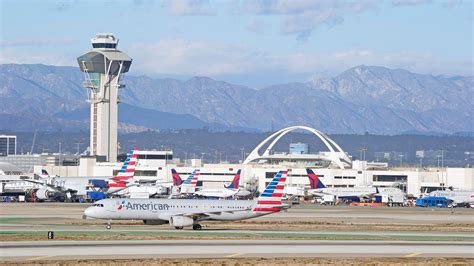
The most substantial gains are centered on Los Angeles, where capacity will rise by 16%, adding up to 6,800 premium seats between December and March. This aligns with the city’s role as a critical gateway for both tourism and business traffic. Houston will also see substantial growth, with 4,500 additional seats between January and March, cementing its value as a key connection point across the southern United States. San Francisco flights will increase modestly by 3%, with daily service maintained through mid-February and rising frequencies thereafter.
Central to this growth is the airline’s focus on premium cabins. More than 20,500 Business Premier and Premium Economy seats are being introduced across these U.S. routes, a 15% increase designed to capture high-yield business and premium leisure travelers who demand superior onboard experiences.
Next-Generation Dreamliners: Elevating the In-Flight Experience
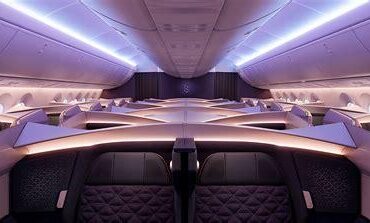
Air New Zealand’s expansion is about far more than simply adding seats. The airline is reintroducing seven retrofitted Boeing Dreamliners, showcasing a thoughtfully designed cabin layout that elevates the passenger journey. These aircraft now feature Business Premier Luxe suites, offering unparalleled privacy with fully closing doors, spacious lie-flat beds, and dual-dining options that cater especially well to couples and discerning business passengers.
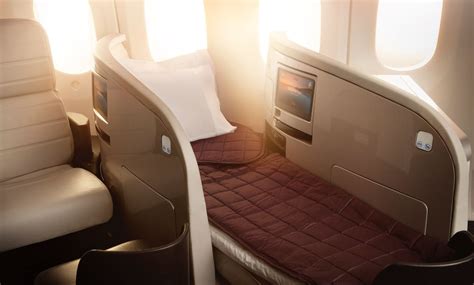
The Business Premier section has undergone significant refinement, with seats equipped with 24-inch 4K screens, wireless charging pads, and sliding privacy screens that enhance comfort without compromising social flexibility. Even in the middle seats, a deployable divider ensures privacy when desired. The airline’s focus on technological integration extends to Bluetooth audio connectivity, real-time flight tracking, and picture-in-picture functionality, allowing passengers to multitask seamlessly while staying entertained and informed.
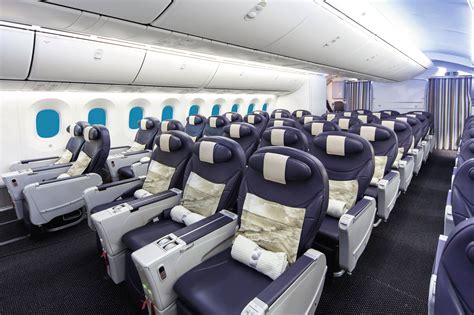
For those traveling in Premium Economy, the redesigned fixed-shell seats deliver improved personal space, greater storage options, and subtle design tweaks such as privacy side wings that cocoon passengers in comfort. Even Economy flyers benefit from enlarged entertainment screens, smart storage solutions for travel documents, and flexible tray table configurations that accommodate varying needs, whether for work, meals, or leisure.
Expanding Horizons: Strengthening Asia-Pacific Connectivity
While the U.S. expansion garners significant attention, Air New Zealand’s strategic gaze is equally focused on Asia-Pacific markets, where resilient demand continues to power travel growth. The airline is adding 4,300 seats to key Asian destinations including Singapore, Taipei, Hong Kong, Bali, and Shanghai, reinforcing its status as a vital connector across the region.
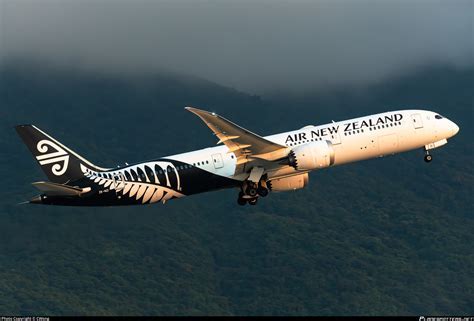
The most substantial gains come in Hong Kong, where premium cabin capacity is set to jump by 3,700 seats, catering to the surging demand from both corporate travelers and premium leisure passengers. In Shanghai, Air New Zealand will boost premium seating by 35%, underlining the route’s increasing significance as Chinese outbound travel rebounds strongly post-pandemic. The Taipei route will gain an additional weekly frequency, moving from three to four flights per week to better serve both business and leisure markets. Meanwhile, Bali will see a remarkable 49% increase in premium capacity, a reflection of the island’s enduring popularity as a holiday destination among New Zealanders and international travelers alike.
Driving Innovation in the Global Aviation Arena
Air New Zealand’s ambitious expansion reflects not only a response to market demand but a deliberate strategy to lead the aviation sector in innovation and customer-centric design. By marrying capacity increases with a state-of-the-art fleet and best-in-class onboard technology, the airline is setting a new benchmark for transpacific and Asia-Pacific air travel.
This growth strategy also provides valuable resilience against operational disruptions, allowing greater flexibility across the network. The diversified fleet and increased frequencies enable Air New Zealand to adapt dynamically to changing demand patterns or unforeseen challenges, whether those stem from supply chain pressures, maintenance cycles, or broader geopolitical shifts.
What distinguishes Air New Zealand’s approach is its commitment to premium product differentiation. As airlines globally compete for high-yield travelers, Air New Zealand is investing decisively in cabin comfort, privacy, and entertainment — attributes that increasingly define the modern long-haul experience. The airline’s next-generation Dreamliners, combined with strategic network expansion, reflect an understanding that passenger expectations have evolved, and success hinges on meeting and exceeding these new standards.
A Strategic Bet on the Future of Long-Haul Travel
The expansion comes at a pivotal time as international travel demand continues to strengthen. Passengers are returning to the skies in record numbers, fueled by restored confidence, open borders, and a growing appetite for both business and leisure journeys. Air New Zealand’s decision to significantly scale up its transpacific and Asia-Pacific capacity underscores a clear-eyed vision for the future — one where service excellence, technological innovation, and market agility are the key differentiators in a fiercely competitive industry.
By investing in premium seating, enhancing cabin technology, and deepening its route network, Air New Zealand is not merely reacting to present demand but shaping the future of global aviation. The airline’s commitment to innovation is emblematic of a broader trend among leading carriers seeking to capture the loyalty of discerning travelers who value both comfort and connection.
As the 2025–2026 peak travel season approaches, Air New Zealand’s expanded capacity, cutting-edge fleet, and revitalized onboard experience signal a decisive move to consolidate its leadership in both the transpacific and Asia-Pacific markets. This bold strategy not only reinforces ties between New Zealand, the United States, and China but also cements the airline’s role as a key player driving global travel innovation forward.