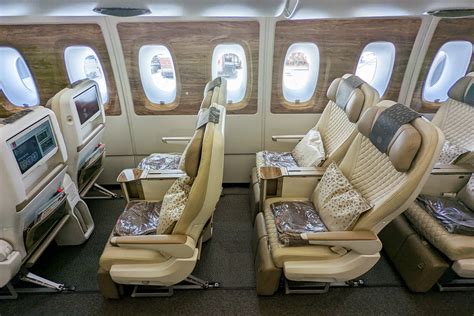
The Airbus A380 reshaped global aviation with its enormous double-deck architecture, whisper-quiet cabins, and unprecedented ability to move vast numbers of passengers between the world’s biggest hubs. As production has ended and retirements approach, airlines now face a strategic vacuum: the world’s largest passenger aircraft is leaving, and no true like-for-like successor exists. What emerges instead is a new generation of high-capacity, long-range aircraft shaped by efficiency, flexibility, and environmental responsibility.
The shift away from four-engine superjumbos reflects broader changes in airline economics. Carriers increasingly prioritize operational agility, twin-engine efficiencies, and point-to-point capability over ultra-high-density capacity. The A380’s withdrawal, therefore, is not just a fleet evolution—it is a structural transformation of international aviation strategy.
The Legacy And Limitations Of The A380 Era
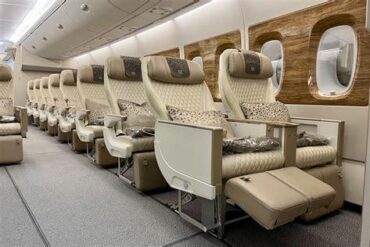
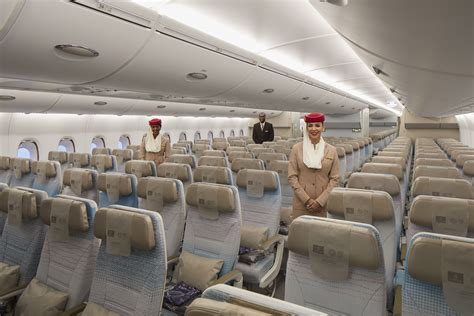
When the A380 entered service in 2007, it embodied a bold prediction: global travel would consolidate around massive hubs, where airlines would funnel passengers onto super-capacity aircraft. The aircraft delivered unmatched comfort and scale, with typical seating for over 500 passengers and the ability to exceed 600. Emirates quickly became the world’s dominant operator, turning the A380 into a trademark experience.
Yet quad-engine operations proved increasingly costly as fuel prices fluctuated, premium-cabin demand shifted, and airlines gravitated toward smaller, more efficient long-range twins like the Boeing 787 and Airbus A350. With only 251 units produced before the line closed in 2021, the A380 ultimately became an impressive but commercially narrow solution.
Why Airlines Need A Modern Successor Now
The global A380 fleet will decline steadily between the mid-2020s and early 2040s. While Emirates intends to keep the type in service for at least another decade, most carriers have already phased it out. Without an Airbus successor—an A380neo or a stretched A350 variant—airlines must pivot toward alternative platforms capable of supporting slot-restricted airports and dense long-haul demand.
This is where the industry’s most anticipated widebody, Boeing’s 777X family, enters the picture.
The Boeing 777X: The Leading Heir To The A380’s Mission
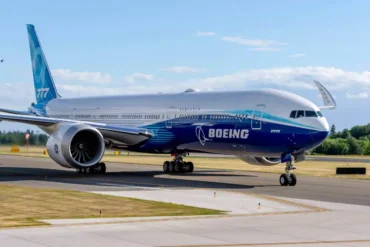
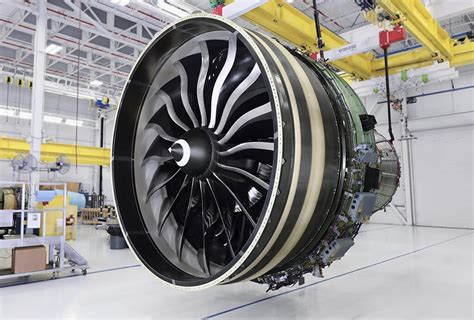
The Boeing 777X combines the proven 777 lineage with state-of-the-art materials and aerodynamics. Its distinctive composite folding wings deliver extraordinary span in flight while enabling compatibility with standard airport gates on the ground. More importantly, powered by the GE9X—the most advanced commercial turbofan ever built—the aircraft achieves exceptional reductions in fuel burn and emissions.
Boeing positions the 777X as offering 10% lower operating costs than competing widebodies, alongside 20% lower fuel burn compared to the aircraft it replaces. For airlines, the 777-9 in particular represents the sweet spot between high capacity and modern efficiency.
Emirates reinforced this view with a massive follow-up order in 2025, raising its total 777X commitment to 270 aircraft. The airline has also expressed interest in a possible ultra-long 777-10 variant, signaling industry appetite for a next-generation high-capacity twinjet to fill the void left by both the 777-300ER and A380.
Why The 777X Fits The Post-A380 Reality
The fundamental tradeoff is simple: the A380’s capacity is unmatched, but the 777X dominates in flexibility. Airlines now prioritize frequency and profitability over raw seat count. As long-haul traffic becomes more distributed, a large yet airport-compatible twinjet is more valuable than a double-deck superjumbo that requires specially equipped terminals.
While the 777-9 does not quite match the A380’s 500+ passenger capability, it delivers the right balance for today’s operations: long-range reach, a spacious cabin, and significantly lower running costs. And unlike four-engine designs, it aligns fully with global emissions targets.
Other Potential Replacements—And Their Gaps
Several existing and proposed aircraft occupy portions of the A380’s former market, but none provide a holistic replacement.
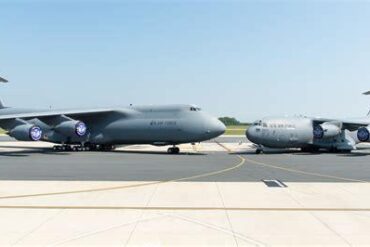
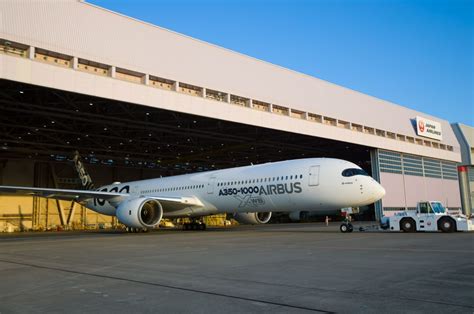
The 777-300ER remains a global workhorse but lacks next-generation efficiency. The 747-8 Intercontinental offered size but fell victim to the same four-engine economics that doomed the A380. Airbus’s A350-1000 excels in efficiency yet tops out far below superjumbo density. Only the rumored A350-2000, if launched, would approach 777-9 capacity, but it remains a theoretical project.
Every pathway leads back to the same conclusion: the 777X is the only aircraft currently available or in active development capable of covering the A380’s former high-capacity missions.
What The Future Of High-Capacity Travel Looks Like
The retirement of the A380 marks the end of aviation’s most ambitious design experiment. The future belongs to lighter, cleaner, more adaptable aircraft with long-range capability and efficient engines. Instead of superjumbos, the next decades will favor widebodies that blend scale with flexibility rather than overwhelming size.
The Boeing 777X, with its advanced aerodynamics, category-leading engine technology, and high structural efficiency, is poised to inherit the A380’s role on major trunk routes. Unless Airbus launches a significantly larger A350 variant or revives the superjumbo concept with new technology, the next era of long-haul aviation will be defined not by four engines and two decks, but by a large, sophisticated twinjet designed for a changing world.