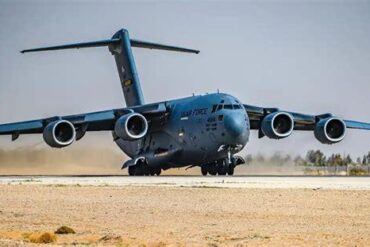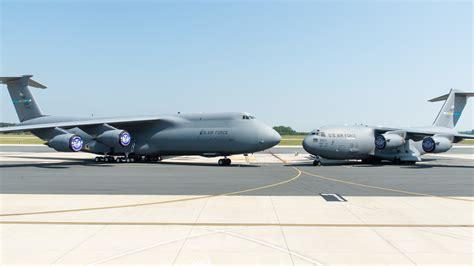
The United States Air Force is quietly preparing for one of the most ambitious transformations in modern military aviation: replacing two of its most iconic airlifters—the C-17 Globemaster III and the C-5M Super Galaxy—with a single, next-generation platform. This vision, driven by the Next Generation Airlift (NGAL) program, signals more than just a fleet update. It represents a profound shift in how the United States projects power, sustains operations, and adapts to increasingly contested global environments.
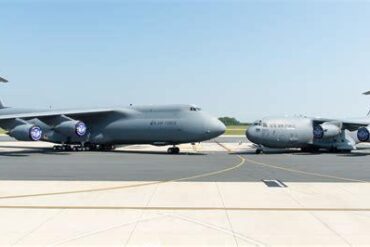
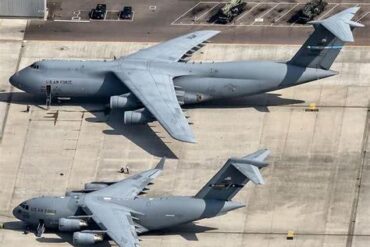
For decades, strategic airlift has relied on specialization. The massive C-5 Galaxy delivered sheer payload capacity across continents, while the versatile C-17 bridged the gap between strategic reach and tactical flexibility. Now, the Air Force is betting that emerging technologies can merge these roles into a unified, highly capable aircraft—one that does not compromise between size and agility, but instead redefines both.
This is not a minor upgrade. It is a calculated leap into the future of warfare logistics.
The Strategic Legacy of the C-5 Galaxy: Power Without Flexibility
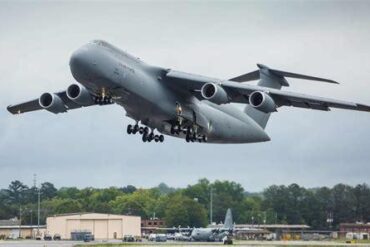
The C-5 Galaxy has long embodied the concept of strategic dominance through scale. Designed during the Cold War, it was built to move enormous quantities of cargo across intercontinental distances, ensuring that heavy equipment—tanks, helicopters, and engineering systems—could reach distant theaters rapidly.
Its sheer size remains unmatched. Even today, few aircraft can rival its ability to transport oversized cargo in a single sortie. The upgraded C-5M Super Galaxy improved reliability, introduced modern avionics, and extended operational life, but its fundamental role remained unchanged: operate between large, well-equipped airbases and deliver maximum payload over long distances.
Yet this strength is also its greatest limitation.
The C-5 cannot operate from short or austere runways. It requires extensive infrastructure, long paved strips, and logistical support that often places it far from the front lines. This means its missions rarely end where the cargo is needed most. Instead, additional aircraft—often the C-17—or ground transport must complete the final leg.
In an era where speed, adaptability, and unpredictability define military success, this dependency is increasingly problematic.
Sustainment adds another layer of concern. The fleet is aging, maintenance costs are rising, and mission readiness rates are under constant pressure. The complexity of such a massive aircraft makes long-term operation both expensive and operationally demanding. The Air Force recognizes that while the C-5 remains indispensable today, its long-term viability is steadily diminishing.
The C-17 Globemaster III: The Gold Standard of Versatility
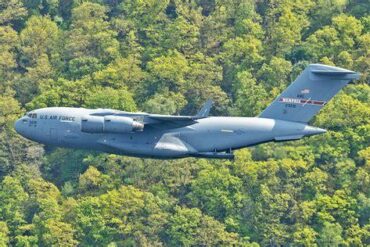
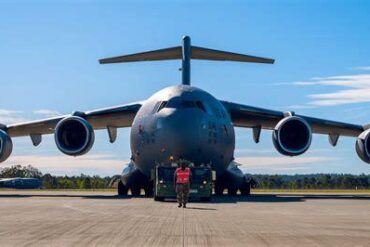
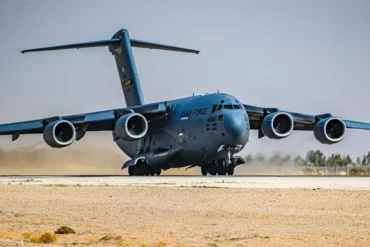
If the C-5 represents scale, the C-17 represents agility. Designed to overcome the limitations of purely strategic airlift, the C-17 Globemaster III has become one of the most versatile military aircraft ever built.
It can transport substantial payloads across continents and then land on short, semi-prepared runways—sometimes as short as 3,500 feet. This capability allows it to deliver cargo directly into forward operating bases, disaster zones, or remote regions where infrastructure is limited or damaged.
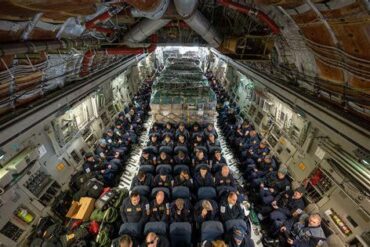
Its operational flexibility has made it indispensable in both combat and humanitarian missions. Whether delivering armored vehicles into conflict zones or aid supplies after natural disasters, the C-17 consistently proves its value by completing the entire logistics chain without relying on additional aircraft.
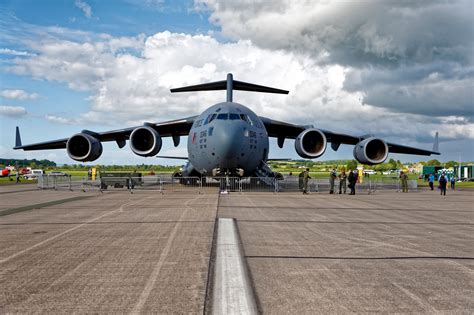
However, even this remarkable aircraft faces limitations. Production ended in 2015, and there are no plans to restart the line. The existing fleet must be sustained through upgrades and maintenance, a process that grows more complex and costly over time.
Engine support strategies now rely on commercial technologies rather than full redesigns, highlighting a broader reality: legacy platforms can only be extended so far. Despite its expected service life stretching into the 2070s, the C-17 is not immune to the pressures of modernization.
The Air Force knows it needs something more adaptable, more survivable, and more efficient for the battlespace of the future.
Why Replace Two Aircraft With One? The Strategic Logic Behind NGAL
At first glance, replacing two fundamentally different aircraft with a single design may seem overly ambitious. Historically, the divergence between strategic and tactical airlift required entirely separate platforms because of inherent trade-offs: large payloads demanded size and runway length, while flexibility required lighter, more agile designs.
But technology is changing those assumptions.
Advances in materials science, propulsion systems, and digital engineering are enabling aircraft designers to break traditional constraints. Today, it is increasingly feasible to envision an airlifter that combines:
- The payload capacity of a C-5
- The runway flexibility of a C-17
- Enhanced survivability in contested environments
- Greater fuel efficiency and range
This convergence is the foundation of the NGAL program.
Rather than maintaining two aging fleets with overlapping roles and escalating costs, the Air Force sees an opportunity to streamline operations, reduce logistical complexity, and enhance overall capability with a unified platform.
The timeline reflects careful planning. An Analysis of Alternatives is scheduled for fiscal year 2027, with initial production targeted for 2038 and operational capability expected by 2041. This phased approach ensures that technological risks are managed while maintaining operational readiness.
Blended Wing Body: The Design That Could Change Everything
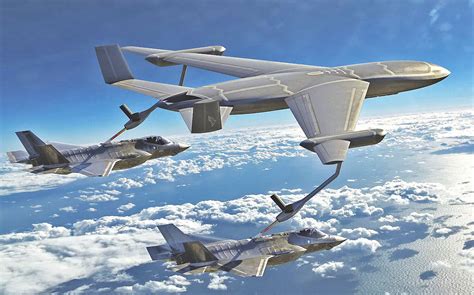
One of the most compelling aspects of the NGAL concept is the potential adoption of a blended wing body (BWB) design. Unlike conventional aircraft, which feature a distinct fuselage and wings, a BWB integrates these elements into a single, seamless structure.
The implications are enormous.
Aerodynamically, this design dramatically reduces drag, improving fuel efficiency and extending range. Structurally, it provides a wider internal volume, allowing for greater cargo capacity without significantly increasing the aircraft’s footprint.
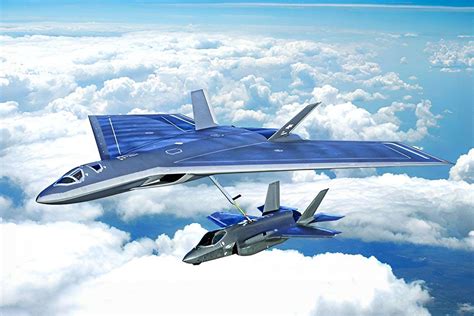
This could enable a single aircraft to match or exceed the cargo capacity of the C-5 while maintaining the operational flexibility of the C-17.
Additionally, the BWB design may offer reduced radar signatures, enhancing survivability in contested airspace. In future conflicts, where advanced air defense systems pose significant threats, this capability could prove decisive.
However, the design is not without challenges. Integrating cargo handling systems into a non-traditional structure, ensuring compatibility with existing infrastructure, and addressing structural complexities are all significant hurdles.
Yet the Air Force appears willing to embrace these challenges, recognizing that incremental improvements are no longer sufficient.
From Permissive Skies to Contested Environments
One of the most critical drivers behind the NGAL program is the changing nature of warfare. For decades, US airlift operations benefited from relatively permissive environments, where aircraft could operate without significant threats from advanced air defenses.
That era is ending.
Future conflicts are expected to involve highly contested airspace, where long-range missiles, radar systems, and electronic warfare capabilities create constant risk. In such environments, traditional airlifters—designed primarily for efficiency and capacity—may struggle to survive.
The NGAL platform is being designed with this reality in mind.
Speed, stealth, electronic warfare resilience, and operational unpredictability are becoming as important as payload and range. The next-generation airlifter must not only deliver cargo but also navigate and survive in hostile conditions.
This shift fundamentally redefines what an airlift aircraft is expected to do.
Bridging the Capability Gap: A Technical Transformation
The gap between the C-5 and C-17 is not just about size or runway requirements—it is about philosophy. One prioritizes maximum payload; the other prioritizes operational flexibility.
NGAL aims to eliminate this divide.
Through advanced propulsion systems—potentially including adaptive-cycle engines—the aircraft could achieve greater efficiency across different flight regimes. Digital avionics and network integration will allow it to operate as part of a broader combat ecosystem, sharing data in real time and adapting to dynamic threats.
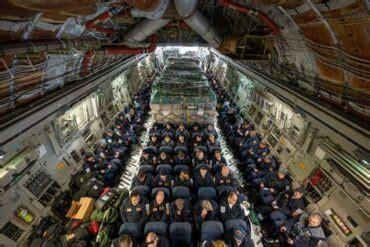
Cargo handling systems are also expected to evolve, enabling rapid loading, unloading, and airdrop operations across a wider range of scenarios.
This is not simply about matching existing capabilities. It is about surpassing them.
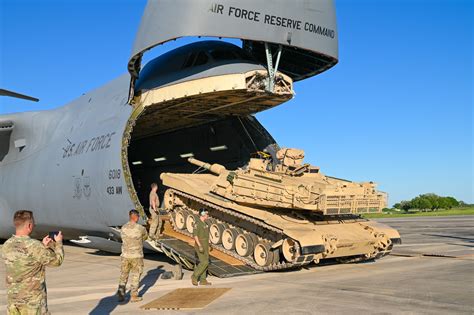
The Air Force envisions an aircraft that can carry outsized cargo across oceans, land on semi-prepared runways, and operate in environments where legacy platforms would be at risk.
A Phased Transition Strategy That Minimizes Risk
Replacing two major aircraft fleets simultaneously would be a high-risk endeavor. The Air Force’s approach avoids this by implementing a phased transition.
Initially, NGAL aircraft will replace the C-5 on a one-for-one basis. This ensures that strategic lift capacity is maintained while the new platform proves its capabilities. Once the C-5 fleet is retired—expected around the mid-2040s—the program will shift focus to replacing the C-17.
This gradual rollout provides several advantages. It allows for real-world validation of performance, gives engineers time to refine the design, and ensures that operational gaps do not emerge during the transition.
It also reflects a pragmatic understanding: revolutionary change must be carefully managed.
Fleet Standardization: Efficiency Meets Capability
Operating two distinct airlift platforms comes with significant logistical complexity. Different maintenance systems, training requirements, spare parts inventories, and operational doctrines all contribute to higher costs and inefficiencies.
A single, unified platform offers the potential for:
- Reduced maintenance complexity
- Streamlined training pipelines
- Lower lifecycle costs
- Improved mission planning flexibility
But this is not merely about cost savings. Standardization enhances operational coherence, allowing commanders to deploy assets more efficiently and respond more rapidly to evolving situations.
In a world where speed and adaptability are critical, these advantages are invaluable.
The Risks Behind the Vision
Ambition always carries risk, and NGAL is no exception.
Designing an aircraft that successfully combines the strengths of two vastly different platforms is an immense engineering challenge. Trade-offs may still be necessary, and achieving optimal performance across all mission profiles is far from guaranteed.
There are also uncertainties related to emerging technologies. Blended wing body designs, adaptive propulsion systems, and advanced survivability features must all mature within the program’s timeline.
Budgetary pressures and shifting strategic priorities could further complicate development.
Yet the alternative—continuing to rely on aging fleets with rising costs and declining reliability—is increasingly untenable.
A Defining Shift in Global Air Mobility
The decision to pursue a “two-for-one” replacement strategy is not simply about aircraft. It is about redefining how the United States projects power across the globe.
A successful NGAL platform would enable faster deployments, greater operational flexibility, and improved survivability in high-threat environments. It would reduce reliance on multiple aircraft types and create a more cohesive, efficient airlift capability.
This transformation extends beyond logistics. It reshapes strategic planning, operational doctrine, and the very concept of air mobility.
The stakes are high, but so is the potential reward.
If successful, NGAL will not just replace the C-5 Galaxy and the C-17 Globemaster III. It will establish a new standard for military airlift—one defined not by compromise, but by convergence.
And in doing so, it will ensure that the United States remains capable of projecting power anywhere in the world, under any conditions, for decades to come.