As global air travel demand surges, the Philippines is at the forefront of a strategic aviation renaissance, aligning with top regional carriers to supercharge connectivity with Australia and India. In a decisive move to meet rising demand from migrants, students, professionals, and leisure travelers, the country is pushing to double its international flight capacity in 2025 — a bold vision that’s already being backed by aviation heavyweights including Qantas, Jetstar, Cebu Pacific, and Air India.
The initiative, driven by the Civil Aeronautics Board (CAB) of the Philippines, will enter a pivotal round of bilateral air service talks with Australia on July 11. These negotiations seek to boost route permissions, frequencies, and seat entitlements, opening the floodgates for a broader aviation partnership and robust regional mobility.
Jetstar Leads Low-Cost Revolution Between Australia and the Philippines
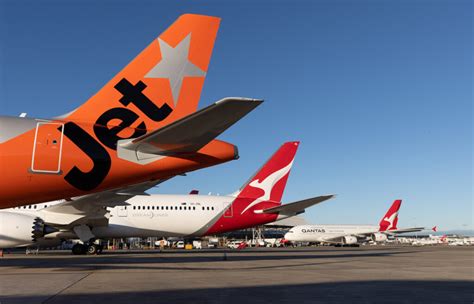
Among the most aggressive movers is Jetstar Airways, the low-cost arm of Qantas Group, which plans to launch two brand-new international services in November 2025. The new routes—Manila to Perth and Cebu to Brisbane—will operate thrice weekly using the Airbus A321neo, a fuel-efficient aircraft designed for long-haul narrow-body service.
Jetstar’s entry is not just a network expansion; it marks a significant challenge to Philippine Airlines (PAL), which currently holds a near-monopoly on the Manila–Perth route. By entering this segment, Jetstar will introduce competitive pricing and improve accessibility to Western Australia, a region home to a growing Filipino community and increasing inbound tourism.
Meanwhile, the Cebu–Brisbane route will be the first direct air link between the two cities, an important milestone that not only strengthens tourism and economic ties but also empowers Cebu’s Mactan-Cebu International Airport as a potential secondary international hub.
Philippine Airlines Faces Heightened Competition in a Shifting Market
Philippine Airlines, long regarded as the country’s flagship carrier, currently operates daily flights from Manila to Brisbane, daily to Sydney, and remains the only airline connecting Manila directly to Perth. While its reputation for full-service offerings remains strong, the entry of Jetstar and the expansion of Cebu Pacific pose serious competitive threats, particularly in terms of fares and frequency.
The realignment of market dynamics will place pressure on PAL to modernize its fleet, increase route flexibility, and potentially seek codeshare or alliance upgrades to retain its dominant status. The carrier’s response to this growing low-cost competition may very well dictate the future landscape of Philippine–Australia air travel.

Cebu Pacific Strengthens Budget Travel Links to Key Australian Cities
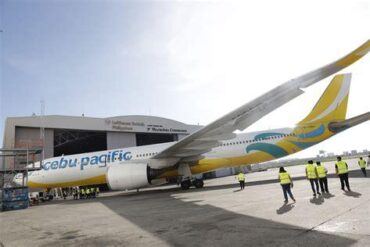
Cebu Pacific, already a major player in budget aviation across Southeast Asia, has maintained regular services from Manila to Sydney and Melbourne, targeting a mix of leisure travelers, overseas Filipino workers (OFWs), and VFR (visiting friends and relatives) passengers.
The airline’s role in democratizing air access cannot be overstated. With aggressive fare promotions, young fleet acquisitions, and digital ticketing convenience, Cebu Pacific has become the airline of choice for cost-conscious travelers—many of whom form the heart of the Filipino diaspora in Australia.
Its expansion focus has recently shifted toward aircraft modernization and route optimization, further enhancing service quality while preserving affordability. If bilateral negotiations succeed, Cebu Pacific may increase frequency or introduce new cities like Adelaide or Canberra into its 2026 roadmap.
A Strategic Bilateral Push to Double Flight Seats to Australia
At the center of this growth surge is a carefully orchestrated effort by the Philippine government to expand seat entitlements with Australia. The July 11 talks aim to double the total number of allowed seats, a move that will support not just commercial growth, but also people-to-people exchange and labour mobility.
This is no accident. The Department of Transportation (DOTr) and CAB are taking proactive steps to ensure that aviation agreements reflect real-world migration and tourism trends. With an estimated 361,860 Filipinos living in Australia as of 2023, the country ranks as Australia’s fifth-largest migrant group, making it essential to enhance both capacity and convenience.
Beyond the diaspora, Australian universities, healthcare providers, and businesses are major magnets for Filipinos seeking education, employment, and investment. Additional air service capacity is seen as critical infrastructure to enable this cross-border exchange.
Qantas Continues to Anchor Legacy Connectivity
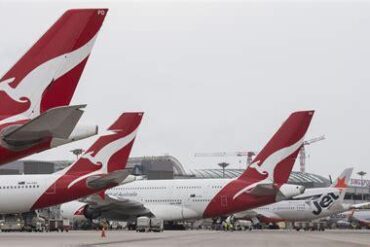
Qantas has preserved a strong brand presence in the Philippines with daily Manila–Sydney flights and four weekly Manila–Brisbane services. The airline’s strategic focus remains centered on premium travelers, business clientele, and passengers seeking reliable long-haul connectivity with access to global alliances like Oneworld.
Its continued investment in these core routes reinforces confidence in Philippine demand fundamentals. Qantas’s newer aircraft, loyalty program integration, and partnership with Jetstar allow it to serve both ends of the fare spectrum, leveraging the rising tide of bilateral air agreements to solidify its hold on the region.
Increased Philippine seat entitlements could offer Qantas the green light to explore additional frequencies or even routes such as Cebu–Sydney or Clark–Melbourne, giving it a broader reach beyond Manila.
India–Philippines Direct Flights Set to Take Off with Air India
While much of the spotlight is on Australia, India is quietly entering the frame with Air India’s bold announcement of new direct Manila–New Delhi flights, launching October 1, 2025. This will be the first non-stop service between the two capitals in over a decade, marking a geostrategic realignment in Asia’s aviation map.
The service will operate weekly using the Airbus A321, a narrow-body aircraft suitable for medium-haul routes, offering Indian travelers faster access to the Philippines’ beaches, medical tourism, and business centers.
This route not only caters to emerging tourism corridors but also serves growing Indian investment in Philippine tech, agriculture, and BPO sectors. Indian nationals pursuing education in Manila-based universities or exploring startup ecosystems in Clark and Cebu will now have a direct air bridge.

Aviation as a Pillar of Economic and Regional Integration
The surge in flight seats reflects more than just industry recovery—it underscores aviation’s vital role in economic diplomacy. The Philippines is not merely responding to demand but positioning itself as a regional aviation hub. With Manila’s Ninoy Aquino International Airport (NAIA) facing saturation, secondary gateways such as Clark, Cebu, and Davao are now part of a broader aviation blueprint.
This expansion will help decentralize international traffic, reduce congestion, and distribute economic benefits across Visayas, Mindanao, and Northern Luzon. The Air India service, for instance, might inspire other Indian carriers like IndiGo or Vistara to consider non-Manila entry points, fostering deeper ties with untapped Philippine regions.
Equally important is the expected fare impact. Increased airline competition generally results in lower average ticket prices, giving more Filipinos and regional travelers the freedom to fly more often, creating a positive feedback loop for tourism, commerce, and employment.
Outlook: A Skyward Future for Philippine Aviation
With the combined efforts of government policy, airline ambition, and market demand, 2025 could be a watershed year for Philippine aviation. The expansion plans from Qantas, Jetstar, Cebu Pacific, and Air India are not isolated moves—they represent a synchronized momentum to unlock international growth.
The true success of these air talks and airline launches will be seen in increased route diversity, lower travel barriers, and stronger geopolitical alliances. For the 361,000+ Filipinos in Australia, and the burgeoning Indian community eyeing Southeast Asia, the skies are rapidly opening up.
In the next 18 months, travelers can expect more than just new destinations—they’ll see the rise of the Philippines as a central node in Asia-Pacific aviation.