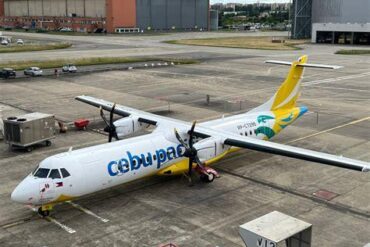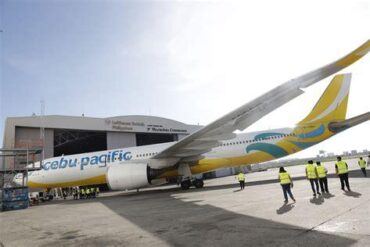
Cebu Pacific Air, often referred to by its IATA code 5J, stands as a prominent low-cost carrier in the Philippines, carving a significant niche for itself in the budget travel market across Asia, Australia, and the Middle East. Headquartered in Pasay City, Metro Manila, the airline has become synonymous with affordable air travel, offering a no-frills approach that appeals to a wide demographic, from backpackers and families to business travelers seeking cost-effective solutions. Its bright yellow and blue livery is a common sight at airports across the region, symbolizing its energetic and accessible brand identity. However, like many budget airlines, the Cebu Pacific experience is often a subject of intense debate among travelers, with opinions ranging from enthusiastic praise for its unbeatable fares to significant frustration over customer service and ancillary charges. This comprehensive exploration delves into every facet of flying with Cebu Pacific, from its operational network and fleet to the intricacies of its onboard experience, booking procedures, and the often-polarizing passenger reviews.
The airline’s operational backbone is its extensive network of hubs, strategically positioned throughout the Philippines to maximize connectivity. The primary hub is Ninoy Aquino International Airport (MNL) in Manila, the nation’s busiest gateway. Complementing this are major hubs at Mactan-Cebu International Airport (CEB), a vital link to the Visayas region; Clark International Airport (CRK), serving as an alternative gateway to Luzon; Kalibo International Airport (KLO), a popular entry point for Boracay; Francisco Bangoy International Airport (DVO) in Davao, connecting Mindanao; and Iloilo International Airport (ILO), another key hub in the Western Visayas. This multi-hub strategy allows Cebu Pacific to offer a dense web of domestic flights to 34 destinations within the Philippines, alongside an impressive roster of 30 international destinations spanning 19 countries. Its international reach extends to key cities in Asia, major destinations in Australia, several points in the Middle East catering to Overseas Filipino Workers (OFWs), and even the USA (Guam). This expansive network underscores Cebu Pacific’s ambition to be a dominant force in regional air travel. Furthermore, Cebu Pacific is a founding member of the Value Alliance, the world’s first pan-regional low-cost carrier alliance, which broadens its connectivity options through partnerships with other budget airlines like Scoot, Nok Air, and Jeju Air.
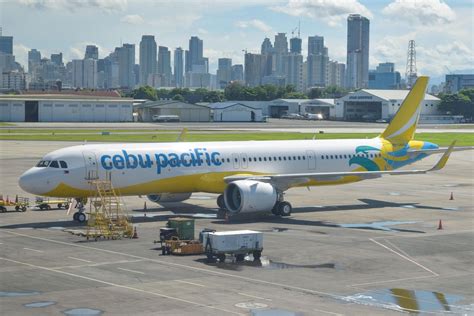
Cebu Pacific’s fleet is a mix of modern Airbus and ATR aircraft, tailored to suit the diverse range of routes it operates. The workhorses of the fleet are the Airbus A320 and Airbus A321 narrow-body jets, which are deployed on most domestic and short to medium-haul international routes. These aircraft are known for their fuel efficiency and reliability, aligning with the airline’s low-cost operational model. For longer-haul flights, particularly to destinations in the Middle East and Australia, Cebu Pacific utilizes the wide-body Airbus A330. The A330s are configured in a high-density seating arrangement to maximize passenger capacity, a common practice among LCCs. For services to smaller island airports with shorter runways, Cebu Pacific’s regional subsidiary, Cebgo, operates a fleet of ATR 72 turboprop aircraft. These aircraft are ideal for inter-island hops and provide essential connectivity to more remote destinations within the Philippines. The continuous modernization and strategic deployment of its fleet are crucial for Cebu Pacific to maintain competitive operating costs and serve its wide-ranging network effectively.
The Cebu Pacific Onboard Experience: Managing Expectations
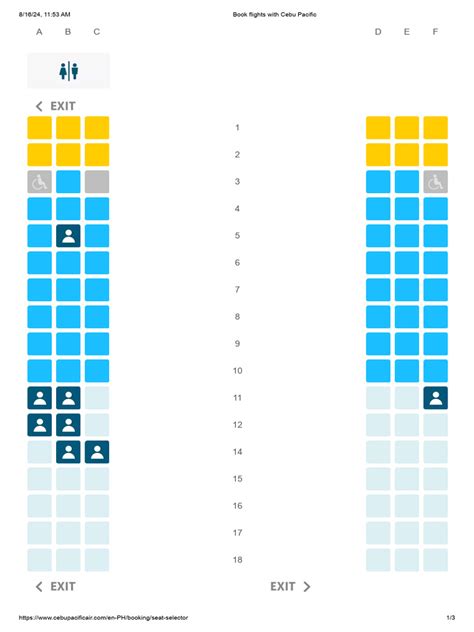
When flying with a low-cost carrier like Cebu Pacific, managing expectations regarding the onboard experience is paramount. The core offering is a safe and timely flight from point A to B at a competitive price, with most other comforts and amenities available as optional extras. Seat comfort and legroom are frequently discussed topics. Standard seats on Cebu Pacific flights, particularly on their A320 and A321 aircraft, feature a seat pitch that is typical for budget airlines, meaning legroom can be tight for taller passengers. While the seats themselves are functional, they are not designed for luxurious comfort on longer journeys. Passengers do have the option to purchase seats with extra legroom, such as those in exit rows or at the front of the cabin, for an additional fee. This can be a worthwhile investment for those prioritizing a bit more personal space, especially on flights exceeding a couple of hours.
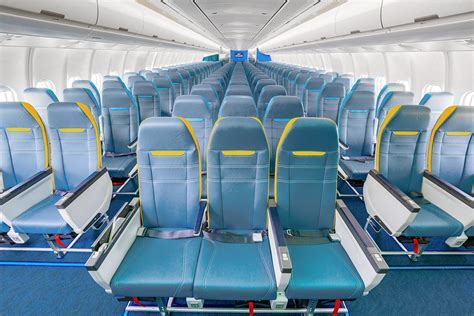
In terms of in-flight entertainment, Cebu Pacific adheres to the standard LCC model, which means built-in seatback screens or complimentary entertainment systems are generally not provided. On some longer A330 flights, there might be options for streaming entertainment to personal devices via onboard Wi-Fi, often for a fee. However, for the majority of its short-haul network, passengers are advised to bring their own entertainment, such as books, music, or downloaded movies on their tablets or smartphones. Power outlets or USB charging ports may be available on newer aircraft or in certain seat categories, but it’s not a guaranteed feature across the entire fleet. The airline occasionally runs “Fun Flights” with games and quizzes hosted by the cabin crew, adding a unique and often appreciated touch to the journey, particularly on domestic routes. These activities, while not a substitute for comprehensive entertainment systems, reflect the airline’s vibrant brand personality.

Food and beverage on Cebu Pacific flights are predominantly offered on a buy-on-board basis. The airline provides a menu of snacks, light meals, and drinks that can be purchased during the flight. Options typically include instant noodles, sandwiches, chips, soft drinks, coffee, tea, and sometimes alcoholic beverages. To ensure availability and often at a slightly better price, passengers can pre-book meals online when purchasing their tickets or through the “manage booking” feature on the airline’s website. Pre-ordered meals usually offer a wider selection, including hot meal options that might not be available for spontaneous purchase onboard. While the quality and variety are in line with budget airline standards, pre-booking is recommended for those who anticipate needing a meal during their flight, especially on longer sectors. Complimentary water is generally not provided, so purchasing it onboard or bringing an empty bottle to fill up after security (where permissible) is advisable.
Cabin cleanliness is an area where experiences can vary, as with many high-turnaround LCC operations. Generally, Cebu Pacific strives to maintain a clean environment, and aircraft are cleaned between flights. However, during busy periods or on routes with very short turnaround times, the thoroughness of cleaning might sometimes be compromised. Passenger reviews often reflect this variability, with some reporting spotless cabins and others noting minor cleanliness issues. The cabin crew do conduct waste collection rounds during the flight, helping to keep the environment tidy.
Navigating Cebu Pacific: Booking, Check-in, and Boarding Procedures
The journey with Cebu Pacific begins with the booking process, which is primarily conducted through its website or mobile app. The airline is famous for its “Piso Fare” promos and other seat sales, which can offer incredibly cheap base fares, sometimes as low as one Philippine Peso (plus taxes and fees). These promotions are highly popular and can lead to a surge in website traffic, occasionally causing a slow or frustrating booking experience. Beyond promos, standard fares are competitively priced. The website allows passengers to select flights, add ancillary services like baggage allowance, seat selection, meals, and travel insurance. However, some users have reported difficulties with the website’s functionality, particularly when trying to manage existing bookings or make changes, as highlighted by a review from Len K who described the website as “very bad when you try to manage your booking.” It’s crucial for passengers to carefully review all fare rules and conditions, especially for promo tickets, which are often non-refundable and have strict change policies.
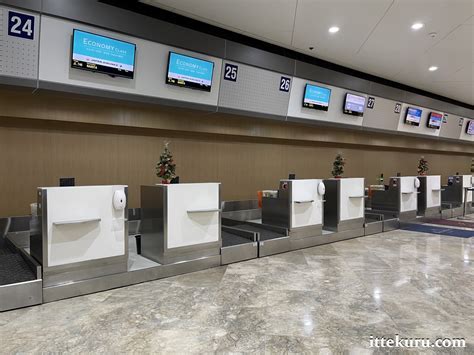
Cebu Pacific strongly encourages online check-in, which typically opens 7 days before a domestic flight and up to 48 hours before an international flight, closing 1 to 4 hours prior to departure depending on the route. Online check-in allows passengers to print their boarding passes or save them on their mobile devices, and often provides access to dedicated bag drop counters at the airport, potentially saving considerable time. For those who prefer or need to check in at the airport, kiosk check-in is available at select airports, and traditional staffed check-in counters are also an option. However, airport check-in can involve long queues, especially during peak travel periods or if there are operational disruptions. Arriving at the airport well in advance of the recommended time is always advisable when flying Cebu Pacific, particularly if checking baggage or requiring special assistance. One traveler, SamHadouchi, recounted a distressing experience where, despite arriving three hours early, they missed their flight due to alleged misinformation from airport lounge staff and uncooperative gate agents, underscoring the importance of proactive gate attendance.
The boarding process is generally systematic, often done by zones or seat rows to improve efficiency. Punctuality is a key performance indicator for any airline, and Cebu Pacific’s record is mixed. While many flights depart on time, as noted by reviewer mherszage who experienced five on-time departures, delays can and do occur due to various factors including air traffic congestion (especially at MNL), weather, or operational reasons. Gate agents manage the boarding process, and it’s important for passengers to be at the gate by the stipulated boarding time. Last-minute gate changes can happen, so paying attention to airport announcement boards is essential.
Baggage policies and fees are a critical aspect of flying with Cebu Pacific and a common source of passenger frustration if not fully understood. Carry-on baggage is typically limited to one piece, not exceeding 7kg and fitting within specified dimensions. A small personal item like a handbag or laptop bag may also be allowed, but policies can be strictly enforced. Checked baggage is not included in the lowest fare tiers and must be purchased as an add-on. Passengers can pre-purchase baggage allowance online, with various weight options available (e.g., 20kg, 32kg, 40kg). Purchasing baggage allowance at the airport is significantly more expensive. Excess baggage fees for exceeding the pre-paid allowance can be substantial. This was a point of contention for Getaway67387648320, an OFW who, despite upgrading to a Flexi ticket and purchasing additional baggage, was penalized for hand-carry items, highlighting perceived inconsistencies and a lack of alignment between domestic and international baggage standards. The “Flexi” ticket option generally includes a certain amount of checked baggage and offers more flexibility for flight changes, but it’s crucial to verify the exact entitlements at the time of booking.
Cebu Pacific Customer Service: A Spectrum of Experiences
Customer service is arguably one of the most criticized aspects of the Cebu Pacific experience, as reflected in numerous online reviews. Interactions with ground staff at check-in counters, service desks, and boarding gates can be a mixed bag. While some passengers report helpful and efficient encounters, many others describe staff as rigid, unaccommodating, or unhelpful, particularly when dealing with issues like excess baggage, flight disruptions, or documentation queries. The experience of SamHadouchi, who alleged being lied to by gate staff, and Getaway67387648320, who felt staff handled their baggage situation mechanically without flexibility, points to a need for improved empathy and problem-solving skills among some frontline personnel. The pressure of quick turnarounds and high passenger volumes in a low-cost environment can sometimes contribute to these negative interactions.

In contrast, cabin crew on Cebu Pacific flights often receive more positive feedback. They are generally perceived as friendly, professional, and attentive within the confines of the LCC service model. They manage safety procedures, conduct the buy-on-board service, and assist passengers with onboard needs. The “Fun Flights” initiative, where cabin crew engage passengers with games and prizes, is a unique aspect that often leaves a positive impression and showcases a more engaging side of the airline’s service culture.
Reaching call centers and online support channels can also be challenging. Cebu Pacific utilizes a chatbot named “Charlie” for initial customer inquiries on its website and social media platforms. While Charlie can handle basic queries, more complex issues often require human intervention, and passengers sometimes report long wait times or difficulty getting satisfactory resolutions through phone support or email. Travel55480866589 described a frustrating experience trying to resolve a booking issue where payment was made but no booking confirmation was received, finding both Charlie and human customer service unhelpful. Len K also cited customer service as a “failure.” These instances highlight the frustration many feel when seeking assistance for non-standard situations.
Value for Money: The Core Appeal and Its Caveats
Cebu Pacific’s primary allure is undeniably its value for money, particularly its offering of cheap flights and promo fares. For budget-conscious travelers, the airline provides an accessible way to explore the Philippines and other regional destinations without breaking the bank. The frequent seat sales, especially the iconic “Piso Fare” promotions, can result in incredibly low base fares, making air travel significantly more affordable for a larger segment of the population. This focus on cost leadership has been a cornerstone of Cebu Pacific’s success and its ability to stimulate travel demand.
However, the initial low fare is just one part of the equation. The “true cost” of flying with Cebu Pacific often includes various ancillary fees. These can encompass charges for checked baggage, seat selection (especially for preferred seats like extra legroom or window/aisle), in-flight meals and beverages, travel insurance, and sometimes even administrative fees for certain payment methods or changes to bookings. While this unbundling of services allows passengers to pay only for what they need, it also means that the final price can be considerably higher than the advertised base fare if multiple add-ons are selected. Passengers who are not diligent in managing these extras can find their “budget” flight becoming less economical than anticipated. The experience of SamHadouchi, who had to pay 400 euros to rebook a flight, and Getaway67387648320, who paid a ₱2,500 penalty for hand-carry, illustrates how additional costs can quickly escalate.
When comparing Cebu Pacific with competitors, it generally holds its own against other LCCs in the region in terms of base fare competitiveness. Against full-service carriers, Cebu Pacific will almost always be cheaper on a like-for-like route, but this comes with the trade-off of fewer included amenities and potentially a less forgiving service environment when issues arise. The key for travelers is to conduct a thorough comparison, factoring in all potential ancillary costs, to determine the best overall value for their specific needs and travel style.
Analyzing Passenger Reviews: Common Themes and Sentiments
The overall sentiment from online reviews, such as those on Tripadvisor where Cebu Pacific holds a 2.5 out of 5 rating based on over 4,400 reviews, is decidedly mixed, leaning towards critical. However, it’s important to dissect these reviews to understand the nuances.
Positive feedback, though less voluminous, does exist. Passenger mherszage provided a notably positive account of five flights across international and domestic routes, including connections and travel with a subsidiary (AirSWIFT). This traveler found baggage policies clear and fair, flights punctual, and the overall experience surprisingly good, stating they “would definitely fly again.” Such reviews often come from passengers who understand the LCC model, manage their expectations, meticulously follow baggage rules, and perhaps experience smooth, on-time operations.

Conversely, negative feedback is more prevalent and often centers on several recurring themes. Baggage issues are a major pain point, with complaints ranging from exorbitant fees for slightly overweight bags, strict enforcement of carry-on limits, to perceived unfair penalties, as detailed by Getaway67387648320. The feeling of being “nickeled and dimed” is a common refrain. Customer service deficiencies are another significant area of concern. This includes unresponsive or unhelpful ground staff and call center agents, difficulty in resolving booking errors (as highlighted by Travel55480866589), and a general lack of flexibility or empathy when problems occur. SamHadouchi’s review, labeling staff as “money hunting liars,” reflects deep frustration. Flight disruptions, including delays, cancellations, and the subsequent rebooking process, also draw considerable ire. While airlines cannot control all causes of delays, passengers often feel that communication and support during such events are inadequate. Finally, website and booking management issues, such as those mentioned by Len K, add to traveler frustration, making it difficult to manage travel plans effectively.
Strategic Tips for a Smoother Cebu Pacific Journey
Flying with Cebu Pacific can be a perfectly acceptable and even enjoyable experience if approached with the right mindset and preparation. Firstly, read all terms and conditions meticulously, especially concerning baggage allowances, fare rules for promo tickets (which are often highly restrictive), and change/cancellation policies. Understanding these details upfront can prevent costly surprises later. Secondly, pre-book everything possible online. This includes checked baggage allowance, preferred seats, and meals, as on-the-spot purchases at the airport are invariably more expensive. Utilize the airline’s website or app to manage your booking and add these ancillaries well in advance of your flight.

Arrive at the airport early, particularly if flying from major hubs like Manila (MNL) or during peak seasons. This provides a buffer for potential queues at check-in or bag drop, security screening, and immigration (for international flights). It also reduces stress if there are any last-minute issues to resolve. Crucially, manage your expectations. Cebu Pacific is a low-cost carrier; the primary service is transportation. Luxuries and extensive complimentary services are not part of the standard package. If you anticipate needing more comfort or flexibility, consider whether an LCC is the right choice for your specific travel needs or if paying for upgrades is worthwhile. When dealing with customer service, try to remain patient but persistent. If initial attempts to resolve an issue are unsuccessful, escalate politely if possible or try a different communication channel. Lastly, consider purchasing travel insurance that covers flight delays, cancellations, and lost baggage, especially if your travel plans are critical or involve multiple connections. This can provide a financial safety net and peace of mind.
Cebu Pacific’s Enduring Impact on Aviation
Despite the criticisms it often faces, Cebu Pacific has undeniably played a transformative role in Philippine and Southeast Asian aviation. By making air travel significantly more affordable, it has democratized flying, enabling millions to travel for leisure, family, or business, many for the first time. This has had a profound impact on tourism, opening up numerous domestic destinations and boosting local economies. The airline’s extensive network provides vital connectivity within the archipelago and to key international markets, supporting trade and cultural exchange. Its aggressive pricing strategy has also spurred competition, forcing other airlines, including full-service carriers, to become more competitive on shared routes, ultimately benefiting consumers.
The challenges Cebu Pacific faces, particularly in customer service and managing operational disruptions, are not unique to them in the LCC sector but are amplified by their scale of operations in a demanding environment. The future outlook for the airline will likely involve continued network expansion and fleet modernization. Addressing the consistency of its customer service and improving communication during irregularities could significantly enhance its reputation and passenger loyalty. As it navigates the dynamic aviation landscape, balancing its low-cost model with evolving passenger expectations will be key to its sustained success.
In conclusion, Cebu Pacific Air offers a compelling proposition for the budget-savvy traveler: the chance to fly extensively at remarkably low prices. Its vast network and frequent promotional fares are undeniable draws. However, this affordability comes with inherent trade-offs, primarily in terms of onboard frills, baggage restrictions, and, at times, customer service. Passengers who are well-informed about its policies, plan meticulously, and manage their expectations are more likely to have a positive experience. While negative reviews highlight areas needing significant improvement, particularly in handling customer issues and unexpected disruptions, Cebu Pacific remains a vital player in making air travel accessible across the Philippines and beyond. The key to a successful journey with them often lies in understanding their model and navigating it wisely.