Cebu Pacific, a leading player in the Philippine aviation sector, is embarking on a strategic plan designed to boost its fleet and enhance connectivity, all while responding to the surging demand for air travel in the coming years. As the airline progresses into 2025, its growth trajectory becomes increasingly evident, with ambitious goals set to solidify its leadership position in both domestic and international markets. With an impressive record of transporting 24.5 million passengers in 2024—its highest annual total to date—Cebu Pacific is strategically positioned to cater to the rising appetite for affordable air travel across Asia.
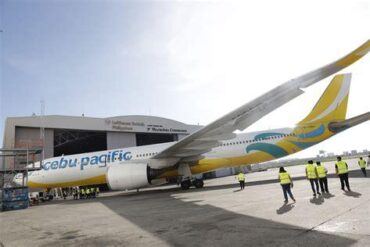
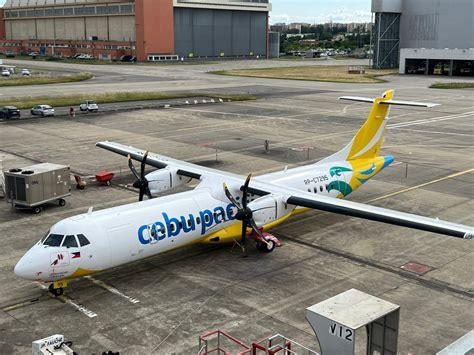
In 2024, Cebu Pacific took a significant leap forward by adding 17 new Airbus aircraft to its fleet, which not only expanded its capacity but also enhanced operational efficiency. This expansion is crucial for meeting the increasing travel demand and providing passengers with a broader range of options across both domestic and international routes. The airline has made it clear that its commitment to fleet growth is accompanied by a focus on operational excellence, ensuring that it can serve its customers effectively while maintaining financial stability.

The development of regional hubs across the Philippines is another pivotal aspect of Cebu Pacific’s growth strategy. By strategically situating these hubs, the airline aims to cater more effectively to the growing demand for air travel within the country. In 2024 alone, the airline introduced 28 new routes, which comprised 19 domestic routes and 9 international routes. This network expansion not only increases travel options for passengers but also connects them to vital destinations both within the Philippines and beyond.
One notable addition to Cebu Pacific’s route network is the launch of three new international routes in April 2025: Cebu to Ho Chi Minh, Iloilo to Bangkok (Don Mueang), and Manila to Sapporo. These new connections underscore Cebu Pacific’s strategy of broadening its reach and enhancing connectivity across Asia, aligning perfectly with the growing demand from leisure and business travelers alike. The robust demand for affordable air travel in the region presents a unique opportunity for the airline to capitalize on this upward trend, and Cebu Pacific is poised to make the most of it.
The Philippine air travel sector is witnessing substantial growth, with domestic passenger traffic reaching 32 million in 2024 and international traffic hitting 28 million. These figures highlight the increasing demand for air travel, creating ample opportunities for Cebu Pacific to strengthen its presence in the market. However, the airline understands that merely expanding its capacity is not sufficient to achieve long-term success. As a result, it has placed a strong emphasis on cost management, operational efficiency, and financial discipline, ensuring that every strategic move contributes positively to its bottom line.
To optimize performance, Cebu Pacific has invested wisely in its fleet, taking into account the costs associated with different aircraft types and configurations. Such investments are expected to significantly enhance the airline’s network performance, ultimately leading to improved profit margins. With a clear strategy in place, Cebu Pacific is well-equipped to sustain its growth trajectory and secure long-term financial stability.
Looking ahead, Cebu Pacific envisions a future where access to affordable air travel is expanded not only within the Philippines but also across key markets in Asia over the next three to five years. To realize this vision, the airline plans to continue its fleet expansion, strengthen its domestic and international routes, and optimize existing hubs. This comprehensive approach aims not only to increase connectivity but also to enhance operational efficiency, ensuring that Cebu Pacific can meet the burgeoning demand for air travel throughout the region.
Supporting these ambitious growth plans are several major infrastructure projects. A key initiative is the planned upgrades to Ninoy Aquino International Airport (NAIA), which will significantly enhance the airport’s capacity to accommodate the increasing number of passengers. Furthermore, the New Manila International Airport, also known as Bulacan Airport, is set to begin construction in January 2026, with an expected completion date in late 2028. Once operational, this new airport will provide additional capacity, further supporting Cebu Pacific’s growth strategy in the face of expanding travel demand.
Cebu Pacific’s commitment to expanding its fleet, enhancing its network, and investing in infrastructure positions the airline for long-term success. The combination of a robust domestic and international network, effective cost management strategies, and ongoing infrastructure investments equips Cebu Pacific with the necessary tools to maintain its leadership in the Philippine aviation sector. As the airline continues to adapt to the evolving landscape of air travel, it remains focused on driving sustainable growth across Asia, ensuring that it meets the needs of its passengers while contributing positively to the region’s aviation market.