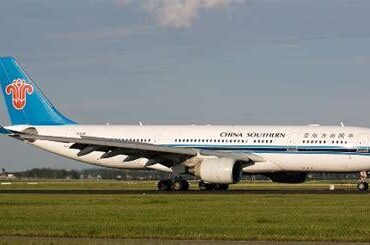
Air China, the flag carrier of the People’s Republic of China, holds a central position in Asia’s aviation sector. As a prominent member of the Star Alliance, it operates over 185 destinations globally. Headquartered in Beijing, with its main hub at Beijing Capital International Airport (PEK), Air China also maintains secondary hubs across the country including key regional gateways such as Chengdu, Shanghai, and Lhasa. From international long hauls to domestic intercity routes, the airline has positioned itself as a pivotal bridge between East and West.
The airline caters to a diverse passenger base with cabin classes ranging from First Class, Business, Premium Economy, to Economy Class. As reviews reveal, customer experience varies significantly depending on the travel route, cabin class, and crew engagement. In this article, we dissect detailed passenger reviews, assess key service components, and offer insights into what flying with Air China truly entails.
Check-In and Boarding: Room for Streamlining
Passenger check-in experiences with Air China reveal a mixed sentiment. Some travelers recount swift and courteous service, especially at international terminals, while others describe long lines and staff struggling with technical issues during manual processing.
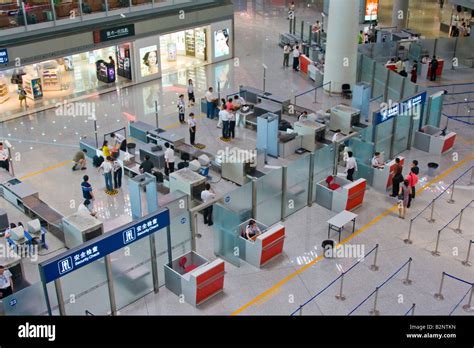
One traveler noted a 35-minute wait at London Gatwick, but appreciated how staff issued both boarding passes in advance, making the Beijing transit easier. In contrast, another traveler from Frankfurt reported disorganization at Beijing airport security, calling it a “nightmare” with over 200 people funneled into only two screening lines.
Air China’s online check-in also draws criticism. In many cases, it fails to function smoothly, leading to stress for travelers expecting digital convenience. For an airline of its scale, modernizing the online pre-boarding process remains an opportunity.
Cabin Comfort and Seating: A Tale of Two Fleets
Reviews present a sharp divergence in comfort between long-haul and short-haul flights. On long international routes like New York–Beijing and London–Hong Kong, Economy Class passengers often mention tight seating and lack of ergonomic support, especially for taller or larger individuals.
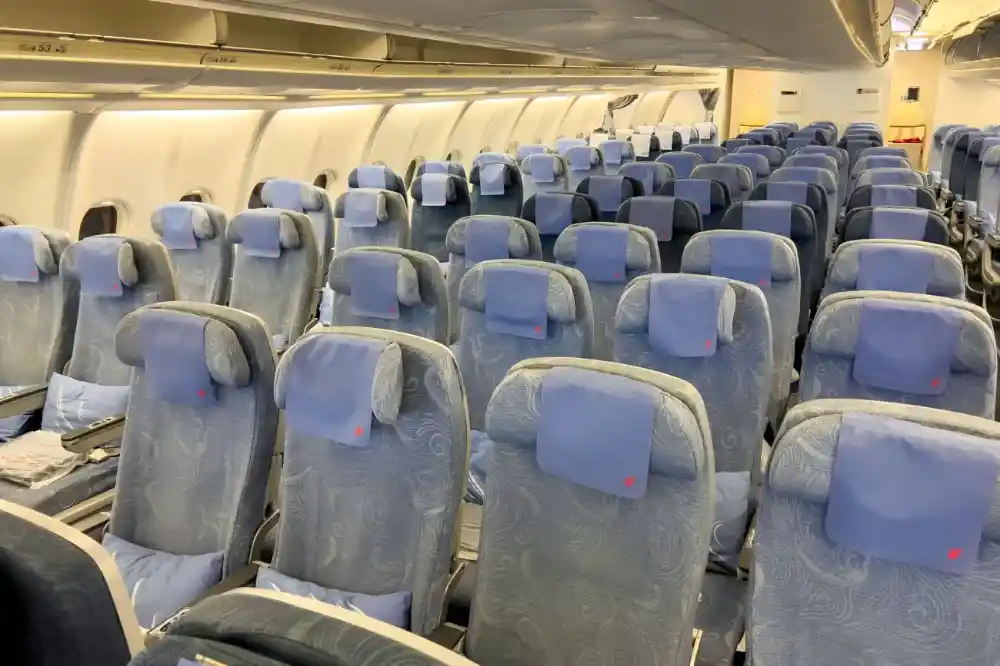
However, it’s worth noting that legroom is praised on certain aircraft, particularly on older Boeing 747s. A traveler from NYC remarked the legroom as “INSANE,” albeit with outdated entertainment systems and no personal TV remotes.
Short-haul flights, such as Beijing to Hong Kong, seem more comfortable. Passengers report newer seats, better cushioning, and even functional footrests uncommon in standard economy cabins.
In-Flight Entertainment: Serviceable But Needs Enhancement
Inflight entertainment (IFE) on Air China garners a lukewarm reception. Although screens are available, the selection of media is typically limited, and system lag is common. One passenger noted that while the touchscreen worked, it had a laggy interface and outdated content.
For modern flyers who rely on streaming, the absence of Wi-Fi connectivity on many routes—especially long-haul ones—is a glaring gap. As competitors modernize with real-time connectivity, Air China must consider upgrading IFE systems and offering Wi-Fi options as standard to remain globally competitive.
Food and Beverage: Traditional Menus, Mixed Opinions
Air China’s inflight catering typically leans toward Chinese cuisine, often featuring rice, noodles, and regional specialties. While some passengers commend the temperature, taste, and variety, others express dissatisfaction with the limited Western options, particularly when seated near the back of the cabin.
A flyer from London appreciated the warm meals and frequent drink service but didn’t get to choose their preferred meal due to limited remaining stock. Another noted that while the food was edible, it was “not memorable.” In contrast, the Asian menus receive positive remarks, especially among those with a palate for Chinese flavors.
It is noteworthy that beverages are regularly offered before and after meals—an area where Air China maintains commendable consistency.
Crew and Onboard Service: The Human Factor
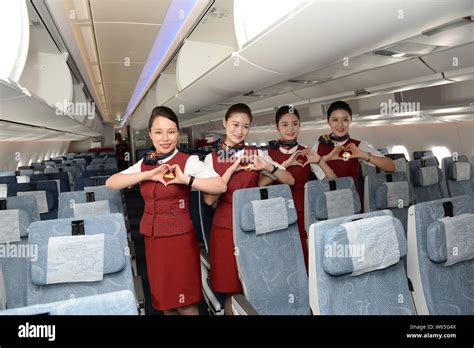
Across all reviews, one element consistently shines: the friendliness and professionalism of the cabin crew. Whether in Business or Economy, many travelers describe the staff as attentive, polite, and thoughtful. One solo traveler flying from London to Hong Kong wrote that the crew treated her with care akin to Business Class service, even in Economy.
Staff were seen proactively offering help with cabin baggage, asking if passengers wanted to stow backpacks, and conducting frequent water rounds during overnight flights. Such gestures are becoming rare in modern aviation and make a lasting impression.
Cleanliness and Hygiene Standards
Aircraft cleanliness is a critical factor for modern passengers, especially in a post-pandemic era. Air China receives average to good scores on this front. Lavatories are regularly maintained during long-haul flights, and cabin areas are generally free from visible debris or disorder.
That said, no explicit mention of advanced disinfection protocols, HEPA filters, or sanitization kits is present in passenger feedback—elements that are becoming industry standards. By enhancing visibility around cleanliness efforts, the airline could strengthen traveler trust.
Handling Disruptions: A Weak Link in the Chain
Where Air China faces its most significant reputational damage is in handling cancellations, delays, and customer service follow-up. One reviewer shared an infuriating experience: their Business Class flights to and from Hong Kong were canceled with no viable alternatives or proactive refund offer.
Despite repeated calls and emails, the airline pointed to “company policy” without offering real assistance. This incident highlights a major service gap, especially when compared to premium carriers that offer immediate rebooking, refunds, or compensation.
Without a responsive, 24/7 customer care infrastructure, even a single disruption can negate a positive flying experience. For international travelers relying on tight schedules, such unpredictability can be a deal-breaker.
Value for Money: Perception Hinges on Expectations
Passenger views on value for money vary significantly. For travelers who booked last-minute or during peak seasons, Air China flights often appear costlier than competitors without offering superior services. However, those who planned in advance and prioritized direct routes or favorable timings often saw their fares as fairly priced.
Ultimately, the airline’s value proposition lies in route network coverage, rather than luxury or cutting-edge amenities. For budget-conscious travelers prioritizing direct connections between Asia, Europe, and the Americas, Air China remains a pragmatic choice.
Unique Considerations for Flying Via China
When transiting through Beijing or other Chinese airports, passengers must consider regulatory nuances. A critical tip from multiple reviews is the requirement for CCC-certified power banks; non-compliant devices are often confiscated by airport security.
Additionally, slow internet connectivity, even with airport-provided Wi-Fi, and limited early-morning amenities can frustrate travelers unfamiliar with local conditions. Investing in an eSIM before departure is strongly recommended for seamless app usage and receiving real-time gate updates.
Final Verdict: Should You Fly with Air China?
Air China represents a complex balance of strengths and shortcomings. Its crew are among the most courteous in Asia, and its hot meals and legroom (on select aircraft) provide comfort not always found in economy cabins. Yet outdated entertainment systems, occasional check-in inefficiencies, and a subpar response to disruptions weigh heavily on overall passenger satisfaction.
This is not a five-star airline. But neither is it a budget horror story. For travelers who set their expectations correctly—understanding the airline’s strengths in route accessibility and human service—Air China can deliver a reliable and safe flying experience.
However, those seeking state-of-the-art entertainment, gourmet dining, or premium-grade crisis resolution may prefer alternatives in the same price band. In summary, Air China is best suited for travelers who prioritize logistics over luxury, hospitality over hardware, and direct routes over detours.
Quick Tips for First-Time Flyers
- Arrive early for check-in to avoid delays caused by staff shortages.
- Pack a CCC-certified power bank to avoid confiscation during layovers in China.
- Download your own media content before the flight due to limited IFE.
- Carry an eSIM or mobile data package to ensure connectivity at Chinese airports.
- Keep essential items in a backpack and use it as a footrest if needed.
- Don’t rely on last-minute bookings if traveling during national holidays in China.
While the airline continues to evolve, so too should the traveler’s approach. With thoughtful preparation, a journey aboard Air China can be more than just functional—it can be a glimpse into the gracious, service-oriented ethos that underscores China’s aviation ambitions.