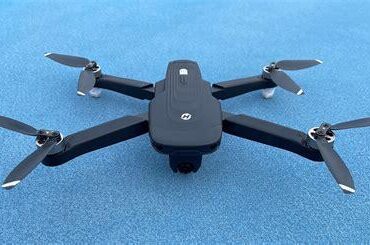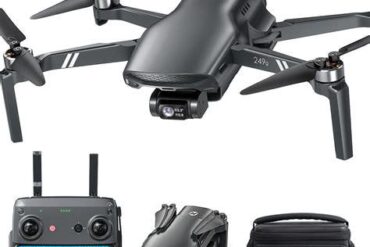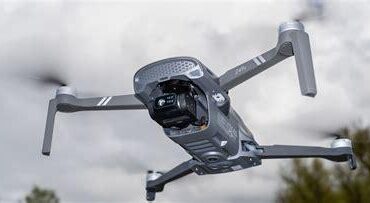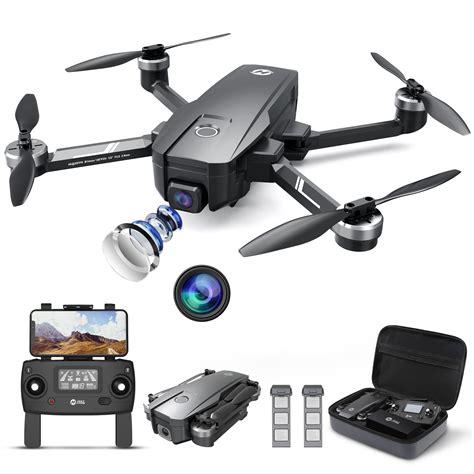
Holy Stone has carved out a significant niche in the drone market, particularly appealing to hobbyists and those new to aerial photography and videography. Their website, www.holystone.com, showcases a range of quadcopters, often highlighting user-friendly features and competitive pricing. However, the true measure of a brand, especially in a technologically sensitive field like drones, lies in the experiences of its customers. This comprehensive analysis delves into Holy Stone reviews, with a particular focus on customer service experiences, drawing from a wealth of user feedback to paint a detailed picture of what potential buyers and current owners can expect.
The overall sentiment surrounding Holy Stone, as reflected on platforms like Trustpilot, is notably polarized. With an average rating of 2.8 out of 5 stars from 127 reviews, it’s clear that customer experiences vary dramatically. A significant 44% of reviewers award Holy Stone a 5-star rating, suggesting a considerable number of satisfied customers. Conversely, a nearly equal 38% give a 1-star rating, indicating profound dissatisfaction for a substantial portion of their user base. The remaining reviews are sparsely distributed, with 6% for 4-stars, 2% for 3-stars, and 10% for 2-stars. This stark division warrants a closer look into the specifics of both praise and criticism.
Many users who report positive experiences often highlight the ease of use of Holy Stone drones, especially for beginners. Models like the HS720R and HS700E have been praised by some for their intuitive controls and features like beginner mode. For instance, Jon Clark, a first-time drone owner, expressed immense satisfaction with his HS720R, noting its simple operation, built-in remote ID, straightforward registration process, effective safety features, and excellent camera quality. Similarly, Keith Castle Pets found the HS720G to be a fantastic first drone, loving its looks, handling, and easy-to-understand controls, gaining confidence within just 15 minutes of practice. Donald Errico, who received an HS700E as a gift, found the instruction manual clear and the drone easy to control, even in windy conditions, specifically praising the return-to-home (RTH) feature and the company’s customer support.
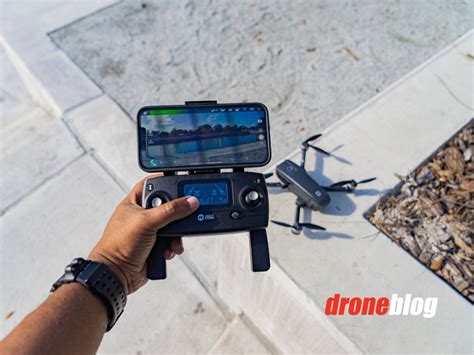
Further commendations come from users like Ismet Sakonjic, who described his Holy Stone drone as “awesome,” easy to fly, and possessing camera quality comparable to an iPhone. Goran Petrović from Serbia shared a highly positive customer support story regarding his HS720E, where a knowledgeable and patient representative guided him through troubleshooting, resolving his issue swiftly. He emphatically recommended Holy Stone for both its products and its outstanding customer support. Such reviews paint a picture of a company capable of delivering enjoyable products and satisfactory service, contributing to the significant cluster of 5-star ratings.
Unpacking Common Complaints: Product Reliability and Performance
Despite the positive feedback, a substantial volume of Holy Stone reviews detail significant issues with product reliability and performance. A recurring and deeply concerning complaint revolves around drones becoming unresponsive or malfunctioning mid-flight. Several users have reported their drones, particularly the HS720R and HS730 series, exhibiting erratic behavior. Alan C, for example, shared his experience with an HS720R that, after only its third flight, “went haywire,” lost connection with the remote, failed to respond to the Return to Home (RTH) command, and ultimately dived into a forest, never to be recovered. Philip had a similar ordeal with his HS720R, which worked fine on its first flight but subsequently went “completely out of control,” eventually crashing and breaking. He later discovered numerous similar reports, expressing regret over his purchase and deeming the drone a potential danger.
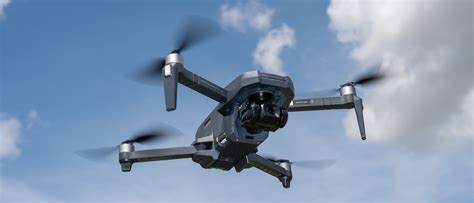
The phenomenon described as “toilet bowling” – where the drone uncontrollably swirls in circles – is a specific issue mentioned by multiple users, especially concerning the HS720R. MR MECHAN provided a detailed account of this problem with his HS720R, stating that after a few initial good flights, the drone would “swirl round and round uncontrollable causing crashlanding every time.” Despite attempts to recalibrate and fly in different locations, the issue persisted, leading to the complete loss of the drone when it swirled out of sight, lost GPS, and failed to RTH. He explicitly warned against purchasing the HS720R, labeling it “not fit for purpose” and “very dangerous.” Mike Cartwright echoed these sentiments, describing his HS720R as “Dangerous” after experiencing “toilet bowling” on his first two flights. Even after following Holy Stone’s advice, subsequent flights led to crashes, including one into a neighbor’s caravan. He strongly advised others to “stay away from this company,” citing known faults and the risk of injury.
Battery-related problems also feature prominently in negative Holy Stone reviews. Chris Fuesler purchased a new HS720G with two batteries, only to find one battery was defective and wouldn’t charge straight out of the box. Dave Gambrill, who previously lost an HS730e due to RTH failure, later bought an HS730g. After about 20-30 flights, one of its batteries expanded and became unusable, while the remaining battery’s charge depleted rapidly, offering less than 5 minutes of flight time. He was particularly dismayed to learn that Holy Stone batteries apparently only have a 30-day warranty. Judith Brent reported that the battery on her drone “smoked/shorted out the first time I turn it on.” These battery issues not only curtail flight time but also raise safety concerns and add to user frustration, especially given the cost of replacement batteries.
Other product-related complaints include camera and gimbal malfunctions. Ben noted that after just four hours of flying his Holy Stone drone, the gimbal broke. Combined with a camera he described as “not 4K,” his experience was largely negative. The frequency of these hardware failures, from unresponsive controls to faulty batteries and broken components, points to potential quality control issues within Holy Stone’s manufacturing process or design flaws in certain models.
The Customer Service Gauntlet: Experiences with Holy Stone Support
Customer service is a critical touchpoint for any technology company, and for Holy Stone, the reviews present a deeply inconsistent picture. While a few users, like Goran Petrović, report excellent support, many others describe their interactions with Holy Stone customer service as frustrating, unhelpful, and ultimately unsatisfactory. A major point of contention is the company’s warranty policy, frequently cited as being only 30 days. This short warranty period is a significant source of grievance, especially when defects manifest shortly after its expiration or when users are unable to test their drones promptly due to external factors, like weather.
Rachel Albritton’s experience with an HS720G received as a Christmas gift illustrates this problem vividly. Due to cold weather, she couldn’t fly it until April. On its initial flight, after following all pre-flight checks, the drone took off and then flew erratically, crashing and severely damaging the camera. When she contacted Holy Stone customer service, her inability to provide an order number (as it was a gift) became a major roadblock. Even after obtaining the order number from her parents, the company then demanded a screenshot of the Amazon order, leading to her extreme frustration and a feeling that they were unwilling to help. She described her experience as “horrible product, horrible customer service.”

Ben, whose drone’s gimbal broke after 10 months (but only 4 hours of flight time), was refused a replacement, repair, or refund because it was outside the 30-day warranty. Holy Stone offered him a 10% discount, later increased to 25%, which he found insulting. This highlights a common complaint: a perceived inflexibility and unwillingness from Holy Stone to address issues that arise outside the narrow warranty window, even for what appear to be manufacturing defects. The sentiment among these users is that the warranty period is “pathetic” and insufficient for products like drones, which may not be used daily.
Dee Smitty’s review details a particularly convoluted and negative experience involving an HS710 drone purchased from an “Approved Retailer.” The drone arrived damaged, and the seller refused returns, directing him to Holy Stone. What followed was a series of frustrating exchanges where Holy Stone allegedly agreed to replace the drone multiple times but failed to honor their agreement, asking for repeated proof of purchase and even claiming the model was no longer in production (which Smitty stated was false). He accused Holy Stone of “Deliberate Indifference mindset with Selective Discriminatory Practices and Procedures” and planned legal action. This account, if accurate, points to serious systemic issues within their support and retailer oversight.
Chris Fuesler, who received a defective battery with his new HS720G, reported receiving only an automated message on how to charge batteries and no further substantive response, labeling it “pretty poor customer service.” Judith Brent, after experiencing multiple flight issues with her drone in beginner mode, found customer support to be a week-long process of answering questions without any reasonable procedure offered to solve the problems, leading her to suspect they were “trying to delay until my 30 day warranty ends.” These experiences suggest that even when contact is made, the resolution process can be slow, unhelpful, and feel designed to deflect responsibility.
Scrutinizing Specific Holy Stone Drone Models
The customer reviews provide valuable insights into the performance and reliability of specific Holy Stone drone models.
Holy Stone HS720R: A Controversial Model
The HS720R emerges as a particularly problematic model in numerous reviews. While Jon Clark had a positive initial experience as a beginner, many others, including Alan C, Philip, MR MECHAN, and Mike Cartwright, reported severe issues like fly-aways, “toilet bowling,” unresponsiveness to RTH, and crashes. The term “dangerous” was used by multiple reviewers in connection with the HS720R, highlighting significant safety concerns. MR MECHAN even admitted to initially giving a good review to receive a free battery, later retracting this due to the drone’s hazardous performance. This raises questions about the authenticity of some positive reviews if incentives are offered. The consistent reporting of uncontrollable flight behavior with the HS720R suggests potential inherent flaws that Holy Stone needs to address urgently.
Holy Stone HS720G: Mixed Fortunes
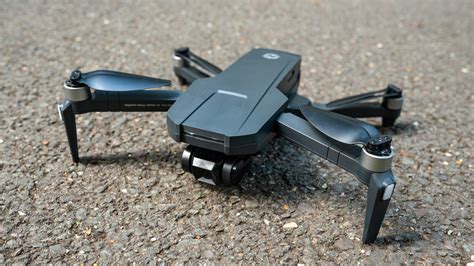
The HS720G receives mixed feedback. Keith Castle Pets found it to be an excellent beginner drone. However, Chris Fuesler encountered a defective battery with his new unit, and Rachel Albritton’s HS720G malfunctioned on its maiden flight, leading to a crash and a very poor customer service experience. These contrasting experiences suggest potential inconsistency in quality or a susceptibility to certain types of failures.
Holy Stone HS730 Series (HS730e, HS730g): Battery and RTH Concerns
Dave Gambrill’s experiences with both the HS730e (lost due to RTH failure) and the HS730g (battery expansion and rapid discharge issues) point to reliability concerns within this series, particularly regarding battery longevity and RTH functionality.
Holy Stone HS700E and Other Models
The HS700E received a positive mention from Donald Errico, who praised its ease of use and good customer support. Other models like the HS710 were implicated in severe customer service disputes, as detailed by Dee Smitty. The broad range of models means experiences can vary, but certain models like the HS720R appear to attract a disproportionate number of critical reviews.
The Warranty Window: A Persistent Thorn
The 30-day warranty period offered by Holy Stone is a recurring theme of dissatisfaction. For a product that can cost several hundred pounds or dollars, and which may not be used immediately or frequently (due to weather, learning curve, or being a gift), many customers find this warranty insufficient. Alan C lost his HS720R just over 9 weeks after purchase, outside the 30-day warranty, with no recourse. Philip’s HS720R issues also occurred outside this “pathetic warranty period.” Ben’s gimbal broke after 10 months, well outside the warranty, despite limited flight hours. This short warranty places a significant burden on the consumer to identify any defects almost immediately, which isn’t always practical. The company’s strict adherence to this policy, as reported by several reviewers, often leads to unresolved issues and deep customer dissatisfaction, fueling the perception that Holy Stone may be prioritizing cost-saving over customer retention and product accountability.
Navigating the Holy Stone Experience: Advice for Consumers
Based on the spectrum of Holy Stone reviews, prospective buyers should approach with a balanced perspective. The allure of affordable drones with beginner-friendly features is undeniable, and many users do have positive experiences. However, the significant number of reports detailing serious product malfunctions, particularly fly-aways and control issues with models like the HS720R, cannot be ignored. The short 30-day warranty and the highly variable quality of customer service are also critical factors to consider.
Potential Holy Stone customers should:
- Thoroughly research the specific model they are interested in, looking for patterns in user reviews.
- Be aware of the commonly reported issues, such as “toilet bowling,” RTH failures, and battery problems.
- Understand the limitations of the 30-day warranty and factor this into their purchasing decision.
- Consider purchasing from retailers with robust and customer-friendly return policies, as this might offer an additional layer of protection.
- If possible, test the drone extensively immediately upon receipt to identify any out-of-the-box defects within the warranty period.
- Document everything: keep receipts, record flight data if possible, and maintain a clear record of any communication with Holy Stone customer service.
Some reviewers, like Ben and Mike Cartwright, explicitly suggest saving for a more expensive but potentially more reliable brand like DJI. While Holy Stone drones are positioned at a lower price point, the potential costs associated with lost drones, replacement parts, or unaddressed defects could negate initial savings.
Conclusion: Weighing Potential and Pitfalls with Holy Stone
In conclusion, Holy Stone occupies a complex space in the drone market. The brand demonstrably provides joy and accessible entry into the drone hobby for many, as evidenced by the numerous 5-star reviews praising ease of use and enjoyable flight experiences. However, the equally significant volume of 1-star reviews highlights critical concerns regarding product reliability, the longevity of components like batteries, the alarming frequency of control loss in certain models, and a customer service system that many find wanting. The HS720R, in particular, stands out as a model with a troubling number of negative reports concerning safety and functionality.
For consumers, choosing a Holy Stone drone appears to be a gamble. While some may receive a perfectly functioning product and even experience good customer support, others face a high likelihood of encountering frustrating, costly, and potentially dangerous issues with limited recourse due to a restrictive warranty. The company’s challenge lies in addressing these inconsistencies in product quality and customer service to build broader trust and ensure that the “joy of flying” they aim to share is a consistent and safe experience for all their customers. Until then, buyers should proceed with caution, armed with comprehensive research and realistic expectations.