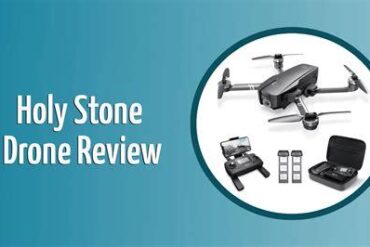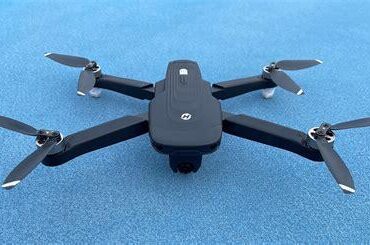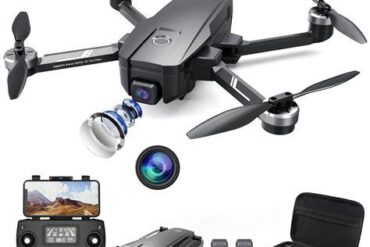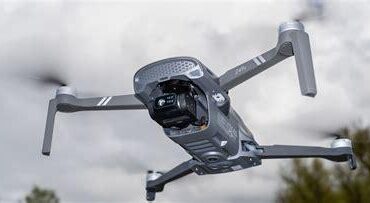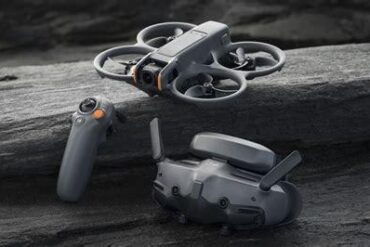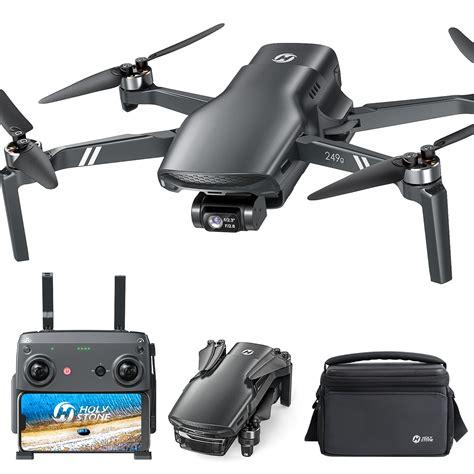
While Holy Stone drone systems deliver excellent value and practice-oriented solutions within their affordable price range, it’s important for potential buyers to acknowledge the inherent trade-offs. The majority of Holy Stone drones do not possess the advanced obstacle avoidance systems, superior camera quality with sophisticated stabilization (like 3-axis gimbals), or the significantly extended flight capabilities found in higher-priced DJI models. Their specifications are primarily tailored for recreational use rather than demanding professional applications. Consequently, these drones are best suited for users whose needs align with simpler, more casual flight experiences and who do not require cutting-edge imaging or sensor technology.
Who is the Ideal Holy Stone Pilot?
The Holy Stone drone lineup is an excellent match for first-time flyers operating on a limited budget. These users must, however, approach their purchase with realistic expectations, understanding that the performance levels will naturally be more modest when compared to premium recreational or professional drones. Individuals such as pet owners wishing to capture playful moments from a new perspective, youngsters (under supervision) being introduced to STEM concepts, and general hobbyists without professional aerial cinematography ambitions will find considerable enjoyment and utility in Holy Stone drones. Their beginner-friendly design and robust basic feature set make them a rewarding and accessible choice for these demographics.
DJI Drones: Pioneering Technology for Professionals and Enthusiasts
In the competitive landscape of the drone sector, DJI stands as an undisputed innovative force, a company that has consistently set the benchmarks against which all others are measured. This distinction is particularly evident in any DJI vs Holy Stone performance comparison. Advanced professionals, discerning content creators, and serious enthusiasts overwhelmingly select DJI as their preferred drone provider. This preference is rooted in DJI’s unwavering commitment to unmatched innovative solutions, an extensive product selection catering to diverse needs, and revolutionary engineering prowess that continuously pushes the boundaries of what’s possible in aerial technology.
The Undisputed Leader in Drone Innovation
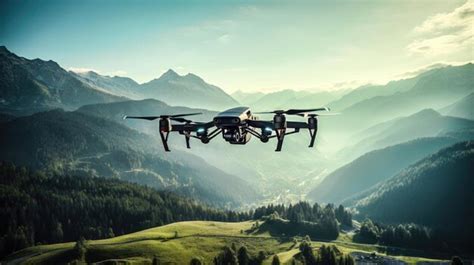
DJI is not merely a participant in the drone market; it is a primary driver of its evolution. The frontier of drone technology advances relentlessly, largely due to DJI’s continuous efforts to surpass existing drone capabilities. Users of DJI drone systems benefit from highly sophisticated automated flight systems. These systems often integrate cutting-edge AI technology with responsive joystick controls, enabling advanced features like intelligent obstacle mitigation and self-directed flight paths (e.g., ActiveTrack, Waypoints). This commitment to innovation ensures that DJI users are often the first to experience the latest advancements in flight autonomy and safety.
Superior Camera Quality Setting Industry Standards
The pinnacle of DJI’s technological achievement is arguably manifest in their camera collections. DJI drones are engineered to produce flawless images and breathtaking footage, catering to a wide spectrum of applications, from capturing picturesque landscape recordings for personal enjoyment to fulfilling the rigorous demands of professional industry video needs. Key camera features that set DJI apart include multi-axis (typically 3-axis) gimbals for impeccable stabilization, advanced zoom functions (both optical and digital), and High Dynamic Range (HDR) video technologies. These elements combine to make DJI drones extraordinary and often unparalleled in their competitive field regarding imaging capabilities.
A Robust and Diverse Product Lineup
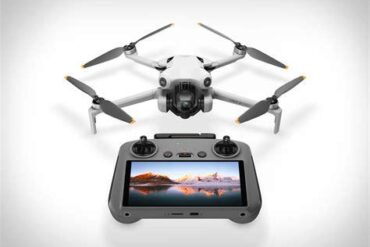
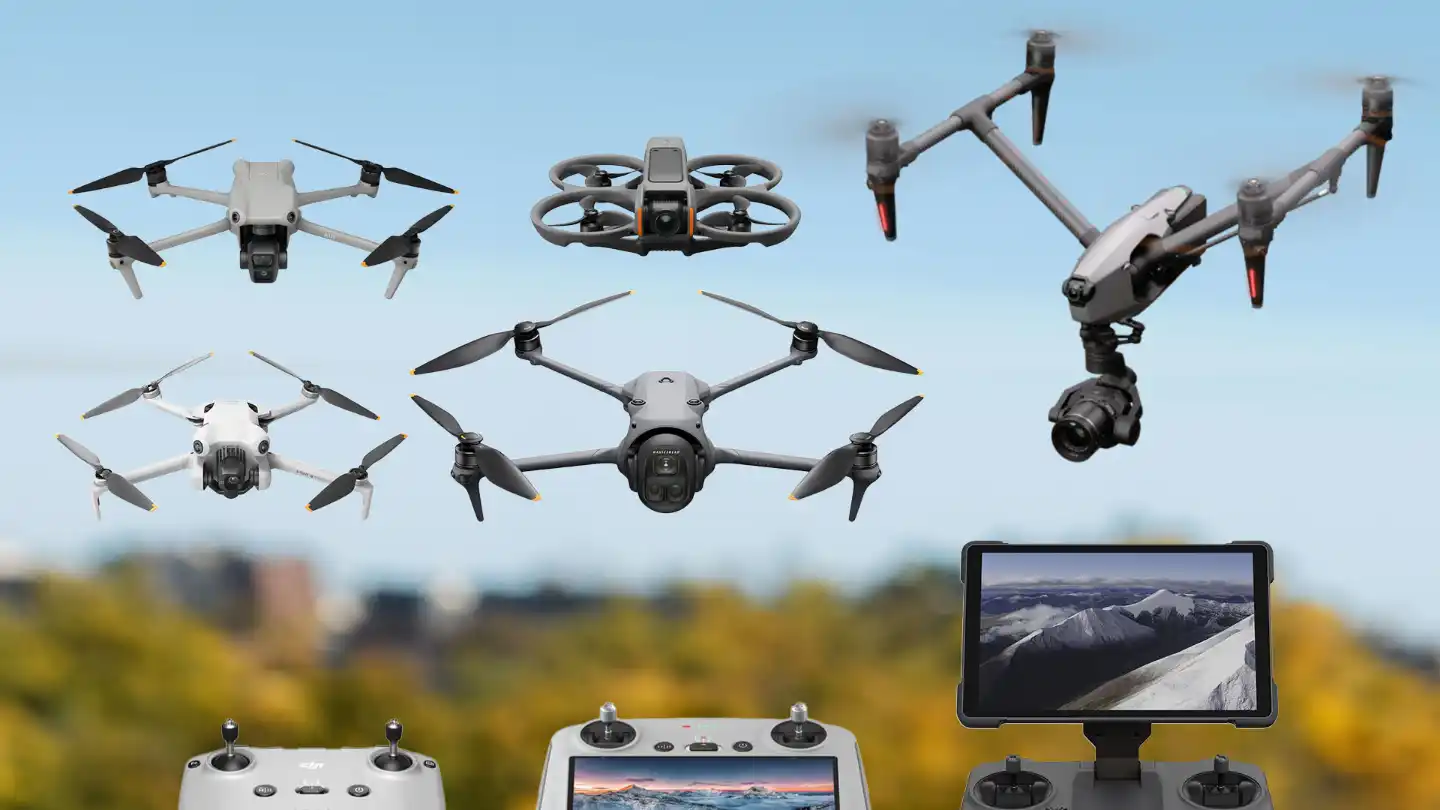
DJI demonstrates a keen understanding of market segmentation by designing products that cater effectively to both casual leisure users and business customers operating at the highest professional echelons. The entry-level DJI Mini series, for instance, provides an accessible gateway for casual consumers and travel enthusiasts, prioritizing portability and ease of use without sacrificing core quality. For professional pilots requiring a full suite of expert features, robust performance, and specialized payloads, the DJI Mavic series, Phantom series, and even more specialized enterprise lines like Matrice, offer tailored solutions. The adaptability of DJI’s product series to diverse levels of flight operations is a key reason why professional users worldwide place their trust in the brand.
Engineered for Reliability and Durability
The professional-oriented design philosophy underpinning DJI drones translates directly into superior structural reliability and durability, often offsetting the builds of more budget-focused competitors. These drones are frequently subjected to excessive conditions, extended flight times, and rigorous operational demands in professional settings. Customers choose DJI drones because they are built to withstand these challenges, thereby achieving a greater operational lifespan and providing a better return on investment over time. The quality of materials and construction is a hallmark of the DJI brand.
Comprehensive Support and Efficient Repairs
One of the critical distinctions between DJI drones and many competitors, particularly in the lower price brackets, lies in DJI’s extraordinary global support system. The drone repair processes at DJI are generally straightforward and, considering the complexity of the technology, often budget-friendly for customers. DJI offers various care packages (like DJI Care Refresh) that provide peace of mind and cover accidental damage. Investing your money in a DJI drone is widely regarded as a smart investment that will not only deliver exceptional performance but also hold its value well over the years, partly due to this robust after-sales support infrastructure.
Who Should Opt for a DJI Drone?
For advanced hobbyists looking to make a significant investment in drone technology and unlock a higher echelon of performance and creative possibilities, DJI stands as the ideal brand choice. This investment translates into high performance, an abundance of sophisticated features, and superior build quality. While this necessitates a heavier initial expense, it’s a cost that professionals and dedicated enthusiasts find perfectly acceptable, and indeed necessary, for meeting their demanding needs in fields like cinematography, surveying, inspection, and public safety.
Holy Stone vs DJI Drones: Key Factors for Your Decision
Choosing between Holy Stone and DJI becomes significantly simpler once you clearly define your specific requirements and operational goals. These brands cater to distinct market segments, and understanding these differences is crucial. The following key factors will help you determine whether a Holy Stone or a DJI drone is the right fit for you.
I. Budget Constraints and Long-Term Value
Individuals and families seeking budget-friendly drone features without compromising too much on functional quality will find Holy Stone options particularly appealing. Their drones offer a low barrier to entry into the world of aerial photography and videography.
Conversely, users who prioritize superior long-term value, cutting-edge technology, and robust performance, and are willing to make a larger initial investment, will find that DJI drones ultimately deliver more. Although they command a higher initial cost, their durability, advanced features, and strong resale value can make them a more economical choice over time for serious users.
II. User Experience Level and Learning Curve
Holy Stone excels in providing features specifically designed for beginners. Their intuitive controls, safety features like GPS and auto-return, and generally simpler operation make their devices perfect for initial users and casual drone operators who want to fly without a steep learning curve.
DJI, with its extensive product line, offers drone options suitable for users at every skill level. While their more advanced models have a deeper feature set that might take longer to master, even their entry-level Mini series is designed with user-friendliness in mind, albeit with a higher ceiling for capability.
III. Camera Quality, Stabilization, and Advanced Features
Holy Stone implements camera functions that perform adequately for recreational use and social media sharing, often including 4K capabilities in their mid-tier models. However, they generally lack the professional caliber of true industry equipment, especially concerning sensor size, dynamic range, and gimbal stabilization (many use Electronic Image Stabilization – EIS).
The camera products from DJI set the industry standard. Equipped with high-quality sensors, sophisticated multi-axis gimbals for ultra-smooth footage, and advanced imaging profiles, they serve the needs of professional creators and those who demand the best possible aerial imagery.
IV. Customer Support, Repairs, and Ecosystem
DJI operates one of the industry-leading service and repair systems, with global coverage and options for extended care plans. This comprehensive support network is a significant advantage for users who rely on their drones professionally.
Support provided by Holy Stone is generally reported as convenient for basic inquiries, but theoretical assistance might meet unexpected limitations when dealing with more complex technical issues or repairs, given their market positioning and price point. The ecosystem of third-party accessories and software integration also tends to be more developed for DJI.
V. Intended Use and Operational Demands
The Holy Stone line offers recreational users basic functionality that often exceeds their initial flight expectations for casual fun, capturing family moments, or light hobbyist photography.
DJI drones perform optimally in mission-critical operations. This includes professional, helicopter-mounted quality media production, precise operational mapping and surveying needs, industrial inspections, and public safety applications, where reliability and advanced features are non-negotiable.
Now, let’s delve into a comparative analysis of some popular models from both brands. This head-to-head examination should provide a clearer understanding of which specific model might best align with your individual needs and preferences.
Holy Stone HS720E vs DJI Mavic Mini: A Battle of Compact Contenders
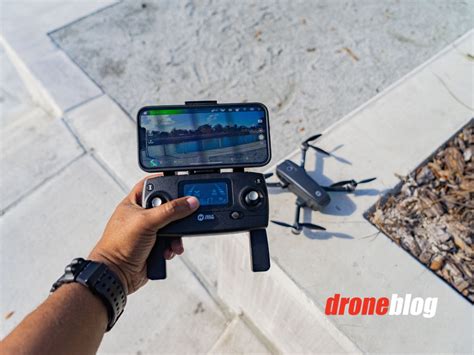
Our first model-specific matchup pits the Holy Stone HS720E against the original DJI Mavic Mini. This comparison is particularly interesting because, despite some overlap in their target audience of advanced beginners or budget-conscious enthusiasts, they showcase clear differences in design philosophy and feature prioritization, even when their price points can sometimes approach each other, especially if the Mavic Mini is found on sale or refurbished.
I. Price and Value Proposition
Historically, the DJI Mavic Mini, upon its release, was positioned at a higher price point than the typical Holy Stone HS720E. However, as newer Mini models have emerged, the original Mavic Mini can often be found at more competitive prices, sometimes making it a better cost-effective solution if longevity and certain DJI ecosystem benefits are prioritized. The HS720E consistently offers a compelling package for its usual retail price, often including multiple batteries and a carrying case.
II. Flight Range and Transmission Technology
According to its specifications and user reports, the Mavic Mini generally excels in flight range excellence due to DJI’s more robust transmission technology (often a variant of enhanced Wi-Fi or OcuSync in later DJI models, though the original Mavic Mini used enhanced Wi-Fi). The original Mavic Mini typically provides a reliable control and video transmission range of up to 4km (FCC). The Holy Stone HS720E, while competent for its class, usually offers a shorter operational range, often around 1km. For users wanting to explore more extensive locations or fly in areas with more potential interference, the DJI Mavic Mini generally offers superior performance in this regard.
III. Flight Time and Battery Efficiency
The Mavic Mini is renowned for delivering an estimated flight time of up to 30 minutes per battery, a significant achievement for its size and weight class. The Holy Stone HS720E, while often advertised with two batteries providing a combined flight time, typically offers around 23 minutes per battery. Therefore, on a per-battery basis, the Mavic Mini provides more air time, which translates to more creative freedom and less frequent battery swaps during an outing.
IV. Camera and Image Quality Nuances
This is where the Holy Stone HS720E often presents a strong counter-argument on paper. The HS720E boasts 4K video resolution, outperforming the Mavic Mini’s limitation to 2.7K resolution recording capabilities. Furthermore, the HS720E often features a wider field of view (FOV), sometimes around 130 degrees, compared to the Mavic Mini’s more standard (and often less distorted) 83-degree FOV. However, resolution isn’t the only factor. The Mavic Mini benefits from a 3-axis mechanical gimbal, which provides vastly superior video stabilization compared to the Electronic Image Stabilization (EIS) typically found on the HS720E. While 4K is appealing, smooth 2.7K footage from the Mavic Mini can often look more professional than potentially shaky 4K from a drone relying solely on EIS. Users prioritizing raw resolution and a wider perspective might lean towards the HS720E, but those valuing smoothness and image processing might prefer the Mavic Mini.
V. Battery Charge Time
Excessive charging periods can be a point of frustration for drone enthusiasts eager to get back in the air. The Mavic Mini batteries typically achieve a full recharge in approximately 1.5 hours (90 minutes) using a compatible charger. The HS720E batteries, often larger in capacity to compensate for less efficient motors or to achieve their flight times, can require significantly longer, sometimes nearly 5 hours for a single battery, or if charging sequentially through the drone. This difference can be a major practical consideration for users planning multiple flights in a day.
Verdict: HS720E vs Mavic Mini
The DJI Mavic Mini (original) emerges as the superior choice if portability, speed of charging, extended flight range, and superior video stabilization are your primary concerns. Its lightweight design also means it falls under the 250g registration threshold in many countries. The Holy Stone HS720E stands out for individuals who prioritize a lower initial cost, higher raw video resolution (4K), and a wider field of view, understanding the trade-off in stabilization technology.
Holy Stone GPS Drone with 4K Camera vs DJI Mini 2 SE: Entry-Level Excellence
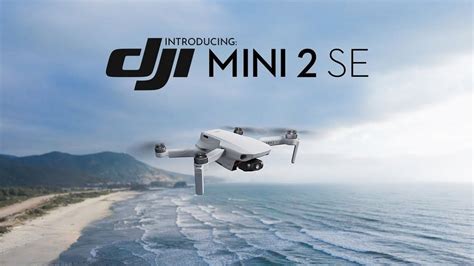
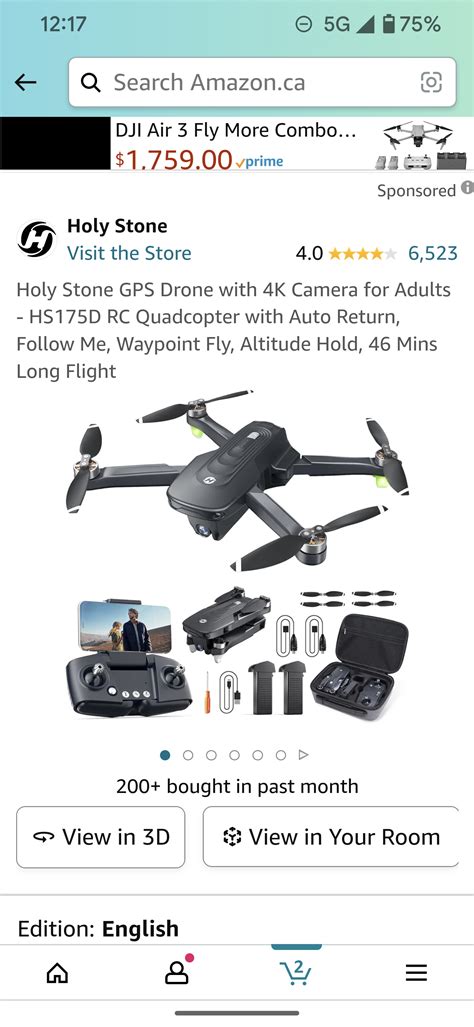
Our next comparison features a generic Holy Stone GPS Drone with 4K Camera (representing a common category from Holy Stone, like the HS175D or similar) against the DJI Mini 2 SE. Both drones cater to entry-level enthusiasts who desire dependable functionality and good imaging capabilities without breaking the bank. The Mini 2 SE, in particular, aims to offer core DJI quality at a very accessible price point.
I. Portability and Weight Considerations
Among its standout features, the DJI Mini 2 SE shines due to its weight, coming in at less than 249g. This is a significant advantage, as it exempts the drone from registration requirements in many regions, making it exceptionally convenient for travelers and individuals who need a highly mobile drone. A typical Holy Stone GPS Drone with 4K Camera in this category often weighs more, potentially exceeding the 250g threshold, which might involve registration and slightly more consideration for transportability.
II. Camera Performance and Intelligent Features
Both types of flying devices in this comparison generally come with 4K video recording capabilities (or 2.7K for the Mini 2 SE, which is an update to the original Mini line). The DJI Mini 2 SE, however, benefits from DJI’s refined image processing and a 3-axis gimbal, ensuring smoother and more cinematic video output. It also comes equipped with QuickShots, intelligent flight modes that allow users to easily capture professional-looking cinematic video segments with automated flight patterns.
A comparable Holy Stone drone might offer a wider-angle field of view, perhaps around 110-120 degrees, which can be beneficial for capturing expansive shots. However, it typically relies on EIS or a more basic gimbal, and while its 4K resolution is a plus, the overall video quality and feature set may not match the polish of the DJI offering, especially in terms of dynamic range and ease of use for creative shots.
III. Flight Time and Operational Range
In this matchup, the DJI Mini 2 SE typically stands out with its impressive flight duration, reaching up to 31 minutes on a single battery. A comparable Holy Stone GPS Drone in this class might offer around 23-26 minutes of flight time. Furthermore, the Mini 2 SE benefits from DJI’s OcuSync 2.0 transmission system (or a similar robust system), providing extended control capabilities with a superior range, often up to 10km (FCC). Holy Stone models in this category generally achieve a shorter range, often between 1km to 3km.
IV. Pricing and Overall Value
This is where Holy Stone often becomes a highly appealing option for consumers on a tighter budget. A Holy Stone GPS Drone with 4K Camera frequently provides a better upfront deal than the DJI Mini 2 SE at a lowered price. While it might make sacrifices on some premium features like advanced transmission or mechanical gimbal sophistication, it keeps drone flying accessible for customers who prioritize cost-effective options and still want good basic GPS stability and 4K recording.
Verdict: Holy Stone 4K GPS vs DJI Mini 2 SE
For individuals prepared to invest a bit more for a more polished experience, the DJI Mini 2 SE delivers both advanced usability, superior stabilization, longer operating distance, and a more refined app experience. The Holy Stone GPS Drone with 4K Camera serves as an excellent financial option for users who need fundamental flight mapping (basic GPS features like RTH), coupled with good video resolution, and are primarily driven by obtaining the most features for the lowest possible price.
DJI Mini 3 Pro vs Holy Stone HS720E: Premium Compact vs. Advanced Beginner
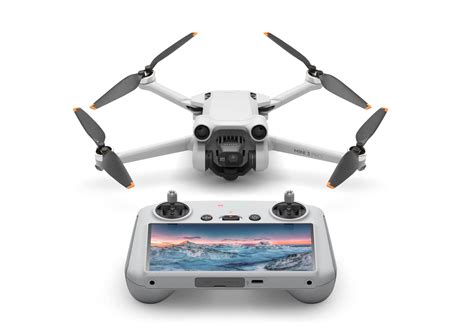
This analysis elevates the comparison, pitting premium drone technology designed for serious enthusiasts and professionals, as embodied by the DJI Mini 3 Pro, against the capable but more budget-focused Holy Stone HS720E, which is generally aimed at beginners and recreational users seeking a feature-rich experience without a professional price tag.
I. Price: A Significant Divergence
A substantial price gap exists between these two products. The DJI Mini 3 Pro, with its array of premium features, advanced sensors, and superior camera system, commands a price that can be several times that of the Holy Stone HS720E. This significant difference in cost means that the Mini 3 Pro is an investment requiring careful consideration, primarily targeting users who will leverage its advanced capabilities.
II. Camera Technology: A Clear Distinction
A comparison of the camera systems reveals that the DJI Mini 3 Pro stands head and shoulders above the HS720E, and indeed, many other drones in the compact category. The DJI Mini 3 Pro features a larger sensor, capable of true 4K/60fps video resolution, a sophisticated three-axis mechanical gimbal (which can also rotate for true vertical shooting), and dual native ISO for enhanced low-light operations. It also supports advanced color profiles like D-Cinelike for greater flexibility in post-production.
Although the Holy Stone HS720E provides 4K video resolution (typically at 30fps) and features Electronic Image Stabilization (EIS), it falls short for professional-grade footage primarily because it lacks a mechanical gimbal system of the same caliber. This results in less smooth footage, especially in windy conditions or during complex maneuvers, and limited dynamic range compared to the Mini 3 Pro.
III. Flight Time and Unprecedented Range
Among compact drones available in the market, the DJI Mini 3 Pro stands out significantly, offering an almost unbelievable flight duration of up to 34 minutes with its standard battery, and an even more impressive 47 minutes with the optional Intelligent Flight Battery Plus (though this pushes it over the 249g limit). Holy Stone’s HS720E, with its typical 23-minute flight duration per battery, faces stiff competition against these figures. When considering control distance, DJI again rules this comparison, with the Mini 3 Pro utilizing O3 transmission for robust, extended flights of up to 12km (FCC). The HS720E, with its Wi-Fi-based transmission, typically achieves a maximum range of around 1km.
IV. Additional Features: Safety and Intelligence
The DJI Mini 3 Pro is packed with advanced functionalities, including tri-directional obstacle sensors (forward, backward, downward), significantly enhancing flight safety. It also incorporates professional-grade cinematic modes like MasterShots and FocusTrack (including ActiveTrack 4.0, Spotlight 2.0, and Point of Interest 3.0), which automate complex shots. While new pilots will find the HS720E’s ‘Follow Me’ function and headless mode useful for learning, these features offer considerably fewer capabilities and less sophistication than what DJI provides in the Mini 3 Pro.
Verdict: DJI Mini 3 Pro vs Holy Stone HS720E
Professionals, serious content creators, and enthusiasts demanding the best in compact drone technology should unequivocally choose the DJI Mini 3 Pro. It offers advanced camera features, class-leading flight duration, extensive range, and sophisticated safety systems. The Holy Stone HS720E, while outmatched in this direct comparison, still produces outstanding value for its price point, remaining an excellent choice for novice operators and casual consumers who require affordable yet effective flying capabilities with good basic features like 4K recording and GPS stability.
How to Choose the Best Drone for Your Unique Needs
Ultimately, your decision between a Holy Stone or a DJI drone will be a direct consequence of the specific features you prioritize alongside your financial capability and long-term aerial ambitions. There’s no single ‘best’ drone; there’s only the best drone for you.
Choose DJI if…
Advanced features consistently top your priority list. You require a professional-grade camera with superior stabilization, dynamic range, and versatile shooting modes. Long-lasting flight capabilities and an extensive, reliable range are critical for your intended use, whether for capturing expansive landscapes or conducting detailed inspections. Environmental drone enthusiasts, professional videographers, photographers, and surveyors should strongly consider DJI drones as their investment choice because they are engineered to create top-quality aerial photography and videography installations and perform reliably under demanding conditions.
Choose Holy Stone if…
You are a beginner exploring the fascinating world of drone flight or a hobbyist seeking enjoyable aerial experiences without a hefty price tag. Holy Stone drones are an excellent selection because they offer affordable performance combined with intuitive control features and surprisingly strong video capabilities for their price segment. If your primary goal is to learn, have fun, and capture decent quality memories without needing the utmost in professional specifications, Holy Stone provides an accessible and rewarding pathway.
Each brand offers a unique value proposition through its diverse product lines, effectively serving distinct groups of users with their particular requirements and aspirations. Whether you ultimately decide to fly a DJI or a Holy Stone drone, you’ll gain access to exciting opportunities to capture stunning visuals from unique perspectives while exploring the skies with cutting-edge technology relative to their respective market positions.
Final Thoughts: Aligning Your Choice with Your Aerial Aspirations
Drones manufactured by both Holy Stone and DJI command strong leadership positions within their respective market niches. This success stems from a deep understanding of their target consumer base, which is precisely why so many prospective buyers engage in a thorough holy stone vs dji comparison before making their final purchase decision.
Entry-level drone users and recreational flyers find a cost-efficient gateway into the world of drones through Holy Stone. This brand excels by offering favorable pricing alongside user-friendly operation and a feature set that is more than adequate for learning and enjoyment. They democratize access to aerial technology, allowing more people to experience the joy of flight.
Conversely, DJI consistently provides professional drone performance coupled with advanced technology features that firmly establish them as the preferred option for buyers seeking high-end quality drone configurations. Their commitment to innovation, reliability, and superior imaging makes them the go-to for serious hobbyists and commercial operators alike.
To hit the bullseye with your drone brand selection, it is imperative to align your choice with your financial resources, your current expertise level, and, most importantly, your overarching aerial goals. Consider what you truly want to achieve with your drone. Are you seeking satisfaction in casual activities and capturing family memories, or are you aiming for professional achievements in fields like cinematography, surveying, or inspections? Deciding which brand and model to choose becomes significantly simpler once you clearly establish your priorities.
To further inform your decision, consider exploring the vibrant online communities surrounding these brands. Find out more on the Facebook communities of DJI and Holy Stone to learn about new drone releases, see user-generated content, and ask questions. Additionally, you can join specialized online communities on Reddit, such as r/drones, r/DJI, or even brand-specific subreddits, for recommendations from experienced users and candid discussions about the pros and cons of various models.