Drones have rapidly evolved from niche gadgets into essential tools for creators, hobbyists, and professionals alike. Yet, a consistent challenge persists—most consumer drones require a smartphone to act as the screen for flight controls and real-time video feed. For those seeking a drone with a screen on the controller, either to avoid additional devices or for younger users without smartphones, the choices are limited but powerful. This guide breaks down the best options in 2025, helping you invest in a high-quality, user-friendly experience with no compromises.
Why Choose a Drone with a Built-In Screen?
Flying a drone should be streamlined and intuitive, not dependent on external hardware or app compatibility. Controllers with integrated screens eliminate the need for a smartphone, reducing setup time, connection hassles, and app crashes. This configuration is particularly useful when purchasing for children or non-tech-savvy users, where simplicity equals better safety and a smoother learning curve.
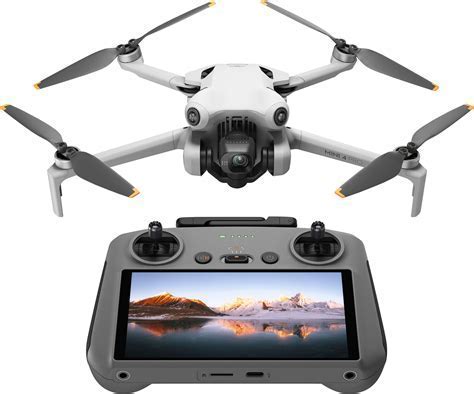
Moreover, in environments with poor network coverage, relying on mobile devices becomes a liability. Integrated screens provide a dedicated, lag-free FPV (first-person view) experience without data interruptions or system notifications disrupting the feed. These controllers typically include higher brightness displays, enhancing visibility in broad daylight and offering a more immersive flight experience overall.
DJI Leads the Pack: Proven Performance and Innovation
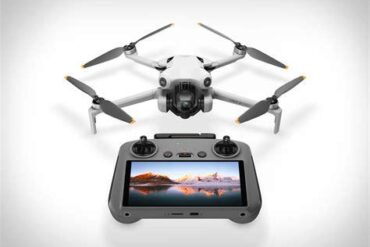
The DJI Mini 3 Pro with DJI RC stands at the forefront of the built-in screen category. DJI remains the only major consumer drone manufacturer that offers off-the-shelf transmitters with integrated displays, delivering unrivaled flight stability, camera quality, and intelligent features.
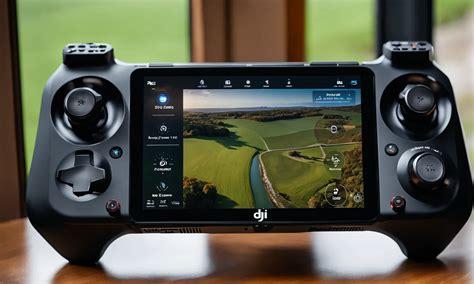
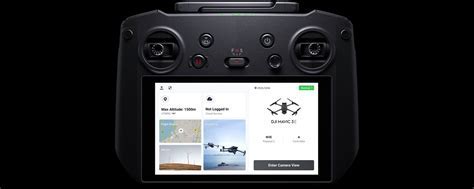
The DJI RC controller features a 5.5-inch FHD display, 700-nit brightness, and ultra-low latency video transmission. This drone-camera-controller package is compact yet packed with professional-grade performance. The DJI Mini 3 Pro itself boasts a 48MP camera, 4K60fps video, and tri-directional obstacle avoidance, making it ideal for both beginners and content creators who demand serious quality.
At a price tag around $859 USD, this setup might be a premium investment, but it is widely considered the most reliable entry point for anyone wanting a ready-to-fly experience without a smartphone.
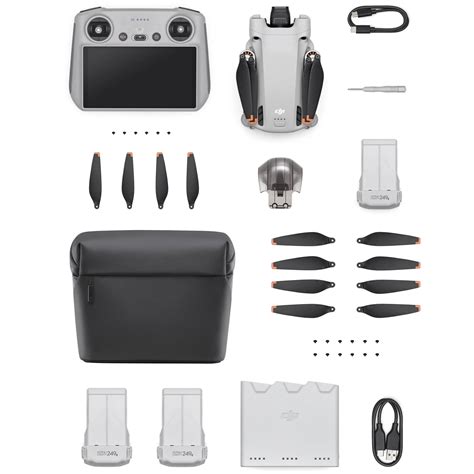
Key Specifications of DJI Mini 3 Pro with DJI RC
- Camera: 48MP, 1/1.3” CMOS Sensor
- Video: 4K60fps, HDR video, vertical shooting
- Flight Time: Up to 34 minutes (extended battery: 47 minutes)
- Transmission: DJI O3, up to 12 km range
- Controller Screen: 5.5-inch 1080p, 700 nits
- Obstacle Avoidance: Forward, backward, and downward
- Weight: 249g (compliant with FAA sub-250g category)
These features make the Mini 3 Pro a future-proof choice for recreational and semi-professional drone pilots.
What About Budget Options?
If the DJI Mini 3 Pro is out of reach, most lower-cost drones unfortunately still rely on smartphones. As noted across several forums and user feedback loops, alternatives under $300 almost universally require you to download a mobile app and use your phone as the primary viewing screen. This limitation stems from cost constraints and the compact design of cheaper flight controllers.
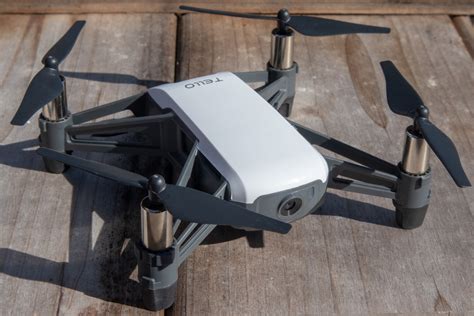
For example, the Ryze Tech Tello, co-engineered by DJI, is often recommended as an affordable starter drone. However, it requires a smartphone app to stream video, and there is no official controller with a screen. While it’s great for kids and indoor flights, it’s not the solution if you’re trying to eliminate smartphone dependency.
The Real Cost of Convenience
The integration of a screen into a controller is not just a luxury—it requires significant hardware, software, and connectivity engineering. That’s why models like the DJI RC and RC Pro carry higher retail prices. For those willing to invest in stability, usability, and portability, these drones offer peace of mind and a frictionless flying experience.
DJI Air 2S with DJI RC Pro – A Powerhouse Alternative
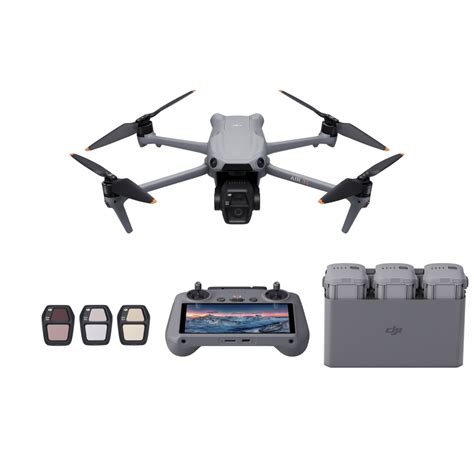
For users looking for even more power, the DJI Air 2S paired with the DJI RC Pro controller is a formidable upgrade. The Air 2S includes a 1-inch 20MP sensor, capable of 5.4K video at 30fps, with 4-direction obstacle avoidance and a flight time of up to 31 minutes. The RC Pro controller itself is professional-grade, running a customized Android OS, and has a brighter display (1000 nits) along with support for third-party apps.
However, this high-end configuration will cost over $1,200 USD, making it a premium choice for creators or serious enthusiasts who demand top-tier performance.
Are There Non-DJI Alternatives?
At present, DJI continues to dominate the integrated-screen drone segment. Other major manufacturers such as Autel Robotics, Hubsan, and Parrot have dabbled in this space, but none currently offer robust, widely available models with built-in screens that match DJI’s reliability and community support.
The Hubsan Zino Mini Pro, for example, offers a decent flight experience with features like Obstacle Avoidance and 4K video, but its controllers still depend on smartphones or tablets. Similarly, Autel Evo Nano+ has incredible specs, but again requires external devices for real-time viewing.
Until these manufacturers release updated controllers, DJI remains the most accessible and reliable choice for those avoiding smartphones in drone operation.
Parental Considerations: Is a High-End Drone Right for a Child?
While it may sound extravagant to spend over $800 on a drone for a child, there are reasonable arguments in favor of this investment—provided safety measures are followed. A well-designed, stable drone with obstacle avoidance, GPS return-to-home, and intelligent flight modes can actually be safer and easier for children to use than a jittery budget model. The DJI Mini 3 Pro, for instance, features multiple safety checks, automatic altitude controls, and built-in no-fly zone awareness.
However, for very young users (under 10), it may be wiser to start with toy-class drones indoors and graduate to the DJI lineup once a basic understanding of flight is achieved. Even then, supervision is essential, and usage should be limited to safe, open areas far from people, animals, and urban congestion.
Final Verdict: The Best Drone with Screen on Controller in 2025
After extensive analysis and market review, our recommendation is clear: the DJI Mini 3 Pro with DJI RC is the best drone with a built-in screen on the controller available in 2025. It strikes an ideal balance between portability, performance, and user-friendliness, offering a smartphone-free experience without compromising on quality or features.
There simply aren’t viable alternatives in the same price-performance bracket that offer the same level of support, software stability, and hardware finesse. And for those who demand more, the DJI Air 2S with RC Pro takes performance to the next level—but comes at a price.
If smartphone-free drone operation is your top priority, your best bet is to invest in DJI’s integrated ecosystem.
Frequently Asked Questions
Do all drones need a phone to work?
Not all, but most drones under $500 require a smartphone to serve as a screen for live video feed. Only select DJI models offer built-in screen controllers.
Can I buy the DJI RC separately and pair it with other drones?
Yes, but compatibility is limited. DJI RC works with the Mini 3, Mini 3 Pro, Air 2S, and other compatible models. Not all DJI drones support this controller.
Are there drones with screens under $300?
Currently, no mainstream consumer drone with a screen on the controller exists under $300. Budget drones rely on smartphones or tablets.
Is the built-in screen bright enough for outdoor use?
Yes, the DJI RC and RC Pro offer 700–1000 nit brightness, which is readable in direct sunlight—unlike many standard smartphones.
Do I still need to install an app even with a screen controller?
For DJI drones with screen-equipped controllers, no smartphone app is required to operate the drone. Everything runs natively.
In summary, the best drone with a screen on the controller is still a premium niche, but one that pays off in convenience, safety, and sheer enjoyment. As technology progresses, this setup is likely to become more accessible—but as of now, DJI holds the crown.