Getting started in the world of FPV (First-Person View) drone flying can be overwhelming — especially for total beginners. With endless gear options, technical jargon, and the high-speed crashing potential of racing quads, it’s easy to burn through money without making progress. Fortunately, there’s a clear, budget-friendly path to success.
In this guide, we’ll break down the best FPV drones for total beginners, how to train safely and affordably, and which gear offers the best value in 2025.
Start Here: The Simulator Is Your First Drone
Before touching any real drone, invest in an FPV simulator. Simulators let you practice flying (and crashing) thousands of times — without breaking a single propeller.
✅ Top FPV Simulators:
- Liftoff – Realistic physics and lots of community support.
- VelociDrone – Great for freestyle and racing practice.
- FPV Freerider – Just $5, ideal for those on a tight budget.
? Pro Tip: Use your actual radio transmitter with the simulator. This builds muscle memory and makes transitioning to a real drone much smoother.
Best Beginner FPV Transmitters (Radios)
Your transmitter is your most important investment. It’s the one item that stays with you across all drones, so buy smart.
? Features to Look For:
- Protocol support: Choose based on your drone’s receiver (ELRS, FRSKY, TBS Crossfire).
- Good gimbals: Smooth stick movement = better control.
- Simulator compatibility: USB connection is a must.
? Top Beginner Radios (2025):
| Model | Pros | Price Range |
|---|---|---|
| Radiomaster Boxer Mk 2 | Excellent gimbals, ELRS support, simulator-ready | $$ |
| TX12 MK2 | Compact, budget-friendly, customizable | $ |
| Jumper T-Pro | Pocket-sized, multi-protocol, perfect for travel | $$ |
| TBS Tango 2 | Built-in Crossfire, super portable, solid feel | $$$ |
| FS-i6 with sim cable | Cheapest decent option, works well for sim use | $ |
Best FPV Drones for Total Beginners
Once you’ve got hours in the sim and a good radio, it’s time for the fun part: your first drone. There are two main paths here — RTF kits (Ready-to-Fly) or BNF drones (Bind and Fly).
? Best RTF Kits for Beginners:
These come with everything you need, including goggles, controller, batteries, and the drone itself.
? Emax Tinyhawk III RTF Kit
- Why it’s great: Reliable, durable, beginner-friendly.
- Who it’s for: Total beginners flying indoors or in small yards.
? Emax Tinyhawk II Freestyle Kit
- Why it’s great: More power for outdoors, still beginner-safe.
- Who it’s for: Learners with a little open space.
? Emax EZ Pilot
- Why it’s great: Extremely easy to fly with stability mode.
- Who it’s for: Kids, nervous fliers, or total tech rookies.
Tiny Whoops vs. Bigger Quads: What Size Drone Is Best for Beginners?
Size matters — especially when learning FPV.
? Tiny Whoops (65–75mm)
- Example: BetaFPV Meteor75, Mobula7
- Pros: Safe indoors, light and durable, easy to learn on.
- Cons: Limited outdoor performance in wind.
? 2.5–3.5 Inch Quads
- Example: Emax Babyhawk II HD, CestusX
- Pros: More speed, better for backyard freestyle.
- Cons: Not crash-proof, harder to repair.
? 5-Inch Quads (Full Size)
- Example: iFlight Nazgul Evoque, GEPRC Mark5 HD O3
- Pros: Freestyle and cinematic beasts.
- Cons: Need lots of space, expensive to crash, not beginner-friendly.
What About DJI Drones Like the Avata?
DJI drones like the Avata are often recommended to beginners due to stability features and high-end video, but there’s a catch.
? One user’s experience: A DJI Avata went into Return-To-Home (RTH) unexpectedly and crashed. After switching to a GEPRC Mark5, they learned faster thanks to cheaper repairs and full control over the aircraft.
? If you truly want to learn FPV flying, go manual with a DIY or BNF quad. DJI options are great for cinematic shots, but they can delay your actual flying skill progression.
When to Build Your Own Drone
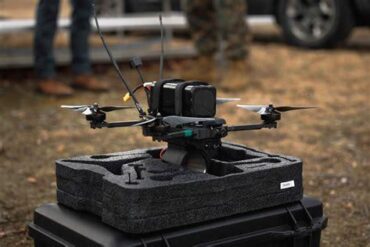
After mastering the simulator and a starter kit, building your own FPV quad becomes both cheaper and smarter. You’ll learn how to fix crashes and customize your quad to your flying style.
? Benefits of DIY Builds:
- Cheaper in the long run
- Teaches repair skills
- Lets you choose every component (frame, motors, camera, VTX)
?️ Beginner FPV Drone Shopping Checklist
Here’s a fast track to get started the right way:
| Step | What You Need | Budget Tip |
|---|---|---|
| 1 | FPV Simulator (e.g. Freerider, Liftoff) | Start with Freerider ($5) |
| 2 | Quality Radio (Radiomaster Boxer or TX12 MK2) | Buy once, use for years |
| 3 | RTF Drone Kit (Emax Tinyhawk III or EZ Pilot) | Start small, crash-proof |
| 4 | Practice in Sim + Backyard | Zero-risk training |
| 5 | Upgrade to 3″ or build your own | When ready for more power |
Final Recommendation: Best FPV Drone for a Total Beginner
If we had to pick one best beginner FPV drone setup in 2025:
? Emax Tinyhawk III RTF Kit + Radiomaster Boxer Mk 2 + VelociDrone Sim
This combo delivers a safe start, high-quality gear, and a smooth path to progression.
FAQs: FPV Drones for Beginners
❓Do I need a license to fly FPV drones?
Yes, in many countries, including the U.S., you must register drones over 250g and pass the FAA TRUST test. FPV drones also require a spotter if flown with goggles.
❓Can I learn FPV flying without crashing?
Not really! Crashing is part of the learning process. That’s why simulators and small drones are your best friends early on.
❓How long does it take to get good at FPV?
With a simulator and consistent practice (15–30 minutes daily), most people can fly confidently within 4–6 weeks.