Naval power has always been the silent currency of global dominance. From the age of empires to the modern era of nuclear deterrence, the ability to control the seas determines who shapes trade routes, influences geopolitics, and ultimately dictates the balance of power. The concept isn’t new—strategists like Alfred T. Mahan understood more than a century ago that whoever rules the seas controls the destiny of nations.
Yet in today’s world, raw numbers can be deceptive. A navy’s total asset count includes everything from advanced aircraft carriers to humble patrol boats. That means a fleet’s size doesn’t always reflect its combat power—but it does reveal something equally important: strategic intent, geographic necessity, and national priorities.
This ranking dives deep into the 10 largest navies in the world based on self-reported total naval assets, unpacking not just the numbers—but the story behind them.
10. Sri Lanka — 270 Naval Assets
Sri Lanka may not dominate headlines in global military discussions, but its naval footprint reflects something more subtle: strategic positioning over brute strength. Sitting just off the southern tip of India, the country occupies a critical node in the Indian Ocean’s shipping lanes—one of the busiest maritime corridors on Earth.
Sri Lanka’s navy has historically focused on asymmetric threats, including maritime terrorism, smuggling, and illegal trafficking. These missions require agility rather than overwhelming firepower, which explains the fleet’s heavy reliance on patrol vessels and smaller craft.
In recent years, Colombo has pushed forward an ambitious modernization plan aimed at transforming its aging fleet into a more capable force. Central to this effort is the “Twenty Ship Fleet” initiative, which envisions a balanced mix of frigates, corvettes, and offshore patrol vessels.
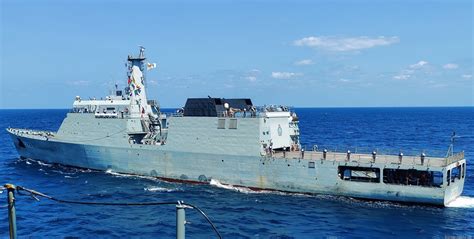
Despite economic headwinds, Sri Lanka’s naval ambitions highlight a critical truth: small nations don’t need massive fleets—they need the right fleets.
9. Thailand — 293 Naval Assets
Thailand brings a unique twist to this list. While many larger navies prioritize submarines and destroyers, Thailand stands out as the only Southeast Asian nation operating an aircraft carrier—a symbolic and strategic asset.
The HTMS Chakri Naruebet, commissioned in the 1990s, may not deploy fixed-wing fighters today, but it remains a powerful tool for regional influence and disaster response. Thailand’s naval doctrine is less about confrontation and more about multi-role capability, including humanitarian missions and maritime resource protection.
Its fleet composition reflects this philosophy:
- Coastal defense vessels dominate
- Amphibious and logistical ships support mobility
- Frigates provide limited blue-water capability
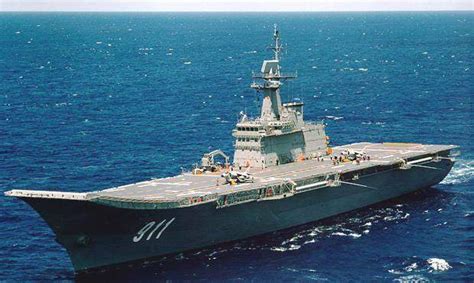
Thailand’s five-pronged maritime strategy—blending defense, conservation, and economic development—demonstrates a modern approach where naval power serves both military and civilian objectives.
8. India — 294 Naval Assets
India is no longer content with coastal defense. Its navy is undergoing a profound transformation into a blue-water force capable of global reach.
Positioned along the Indian Ocean—a region increasingly contested by major powers—India views naval expansion as essential to securing its strategic interests. The country’s fleet includes a growing number of destroyers, submarines, and aircraft carriers, reflecting its ambition to dominate the region.
A major milestone came with the development of indigenous aircraft carriers, signaling a shift toward self-reliance in defense manufacturing. At the same time, India maintains strong defense partnerships with countries like France and the United States, enhancing its technological edge.
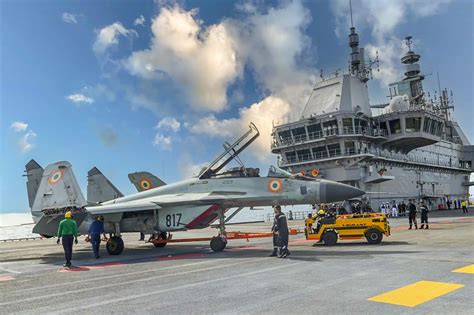
India’s naval doctrine is clear: control the Indian Ocean, and you control one of the world’s most critical trade arteries.
7. Italy — 309 Naval Assets
Italy sits at the heart of the Mediterranean—a region that has shaped naval history for millennia. While it may no longer command the “Roman lake,” Italy maintains a highly capable and technologically advanced navy.
Unlike some larger fleets, Italy emphasizes quality and specialization. Its naval assets include submarines, advanced frigates, and the aircraft carrier Cavour, which supports modern air operations.
What sets Italy apart is its dual mission:
- Military readiness within NATO frameworks
- Environmental protection, including anti-pollution patrol vessels
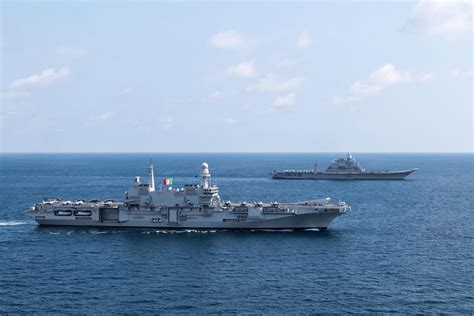
Italy proves that a navy can be both a warfighting force and a guardian of maritime sustainability.
6. Indonesia — 333 Naval Assets
Indonesia faces a challenge unlike any other: defending over 17,000 islands scattered across vast waters.
This geographic reality demands a navy built for coverage, flexibility, and endurance. Indonesia’s fleet includes a wide range of vessels designed to patrol its sprawling maritime territory, deter incursions, and secure vital shipping lanes.
Recent modernization efforts have focused on acquiring advanced frigates and upgrading existing platforms. These moves are driven in part by regional tensions and the need to assert sovereignty in contested waters.
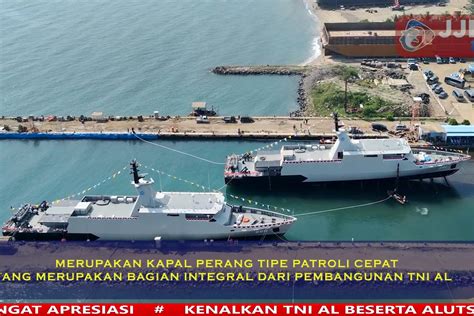
Indonesia’s naval strategy is less about global projection and more about maintaining unity across a fragmented geography—a mission as complex as it is critical.
5. Sweden — 353 Naval Assets
Sweden might surprise many with its position on this list. But its naval strength is deeply rooted in centuries of maritime tradition and strategic necessity.
Operating in the Baltic Sea—a narrow and highly contested body of water—Sweden’s navy is optimized for coastal defense, stealth, and rapid response. Its fleet includes advanced submarines and fast attack craft designed to operate in confined, high-risk environments.
Sweden’s recent accession to NATO has further elevated its strategic importance. Its navy now plays a key role in securing northern European waters against potential threats.
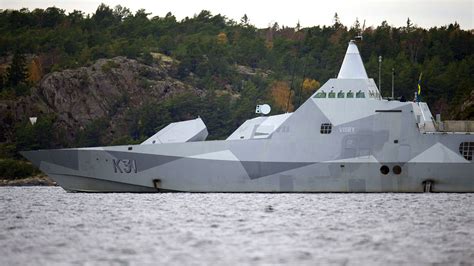
Sweden demonstrates that geography shapes doctrine—and doctrine shapes fleets.
4. United States — 472 Naval Assets
United States may rank fourth in sheer numbers, but in terms of capability, it remains unmatched.
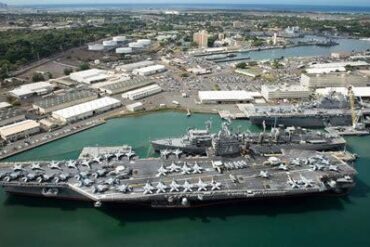
The U.S. Navy is built around carrier strike groups, each centered on nuclear-powered aircraft carriers capable of projecting power anywhere on the planet. With 11 such carriers, the U.S. dominates naval aviation like no other nation.
But the fleet’s strength doesn’t stop there:
- Nuclear submarines provide stealth and strategic deterrence
- Amphibious ships enable rapid deployment of Marines
- Advanced destroyers deliver precision strike capabilities
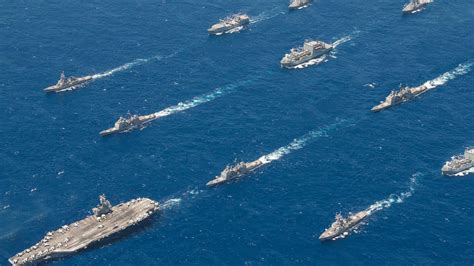
This isn’t just a navy—it’s a floating, self-contained military ecosystem capable of launching wars, deterring adversaries, and maintaining global order.
3. North Korea — 505 Naval Assets
North Korea presents one of the most striking examples of quantity over quality.
On paper, its fleet is massive. In reality, it consists largely of small patrol boats, aging vessels, and coastal defense units. These assets are designed primarily for defensive operations near its coastline, rather than power projection.
The country’s strategic focus has long prioritized nuclear weapons and missile technology, leaving its naval capabilities comparatively underdeveloped.
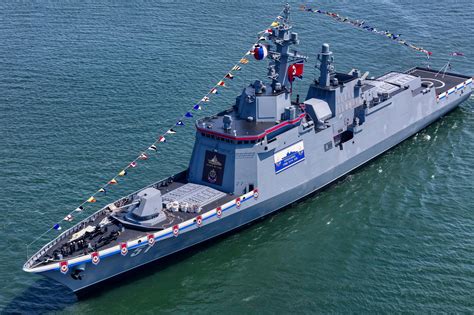
North Korea’s position highlights a key insight: a large fleet doesn’t automatically translate into effective naval power.
2. China — 730 Naval Assets
China has undergone one of the most dramatic naval expansions in modern history. Over the past two decades, it has transformed from a coastal defense force into a rapidly emerging blue-water navy.
China’s strategy revolves around two core objectives:
- Near Seas Defense — securing its immediate coastline
- Far Seas Protection — extending its reach globally
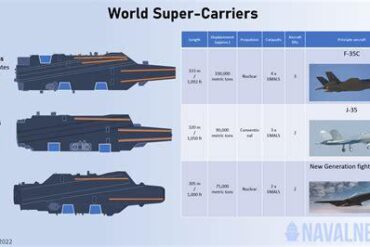
This dual approach is supported by a growing fleet of aircraft carriers, destroyers, and submarines. The commissioning of carriers like Liaoning and Shandong signals China’s intent to compete directly with established naval powers.
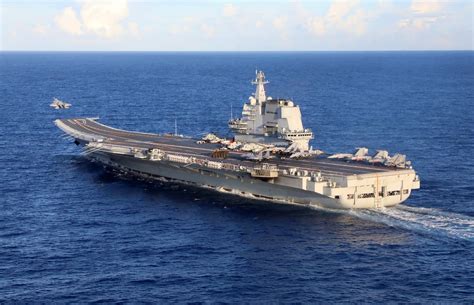
China’s naval rise is reshaping global dynamics, fueling regional tensions and strategic competition across the Indo-Pacific.
1. Russia — 781 Naval Assets
Russia claims the largest navy by total assets, but its situation is far more complex than the numbers suggest.
Russia’s fleet spans multiple theaters—from the Arctic to the Black Sea—but it faces significant challenges, including aging equipment, maintenance issues, and limited access to warm-water ports.
Historically, control of regions like Crimea has been crucial for maintaining naval access to strategic waterways. Today, those geopolitical realities continue to shape Russia’s maritime posture.
Despite its size, questions remain about the operational readiness and modernization of its fleet. Its lone aircraft carrier has struggled with reliability, underscoring the gap between scale and effectiveness.
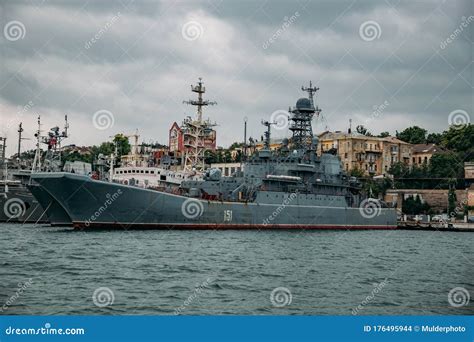
Russia’s navy illustrates a critical lesson: size can project influence—but sustainability determines real power.
The Reality Behind Naval Size vs. Naval Power
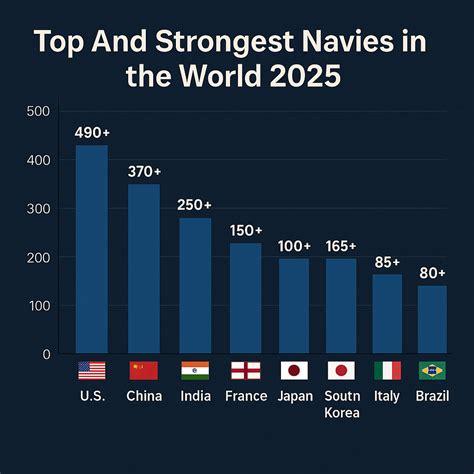
The rankings reveal a fascinating contradiction. Nations like United States dominate in capability but not in numbers, while others like North Korea and Russia boast massive fleets with varying degrees of effectiveness.
This disconnect underscores a fundamental truth:
Naval power is not just about how many ships you have—it’s about what those ships can actually do.
Modern naval warfare demands:
- Advanced technology
- Integrated air, sea, and cyber capabilities
- Highly trained personnel
- Robust logistical support
Without these elements, even the largest fleets risk becoming hollow forces.
Conclusion: The New Era of Maritime Dominance
As global tensions rise and trade routes become increasingly contested, navies are once again at the center of geopolitical strategy. From the Indo-Pacific to the Arctic, the race for maritime dominance is accelerating.
What makes this era unique is the shift from sheer numbers to multi-domain capability. The most effective navies are no longer just fleets—they are complex, integrated systems capable of projecting power across air, sea, and space.
And while rankings based on total assets offer valuable insight, the real story lies beneath the surface—where technology, doctrine, and strategy determine who truly rules the waves.