France’s aerospace industry has long been recognized as a global leader in military aviation. From post-WWII experimental jets to today’s advanced multirole fighters, French-made combat aircraft symbolize a blend of engineering precision, combat efficiency, and strategic autonomy. In this comprehensive analysis, we rank five of the newest French-made jet fighters by their top speed, examining their development histories, technological innovations, and operational significance.
France’s Legacy in Jet Fighter Development
France stands as one of the few nations capable of designing, producing, and operating its own jet fighters. Post-World War II, France’s ambition to rebuild its air power led to significant investments in military aviation. Companies like Dassault Aviation played pivotal roles in shaping this industry, producing aircraft renowned for their reliability and performance. Today, French jet fighters are not only critical to national defense but also major exports fueling defense partnerships worldwide.
#5 Alpha Jet – Maximum Speed: 600 mph (Mach 0.8)
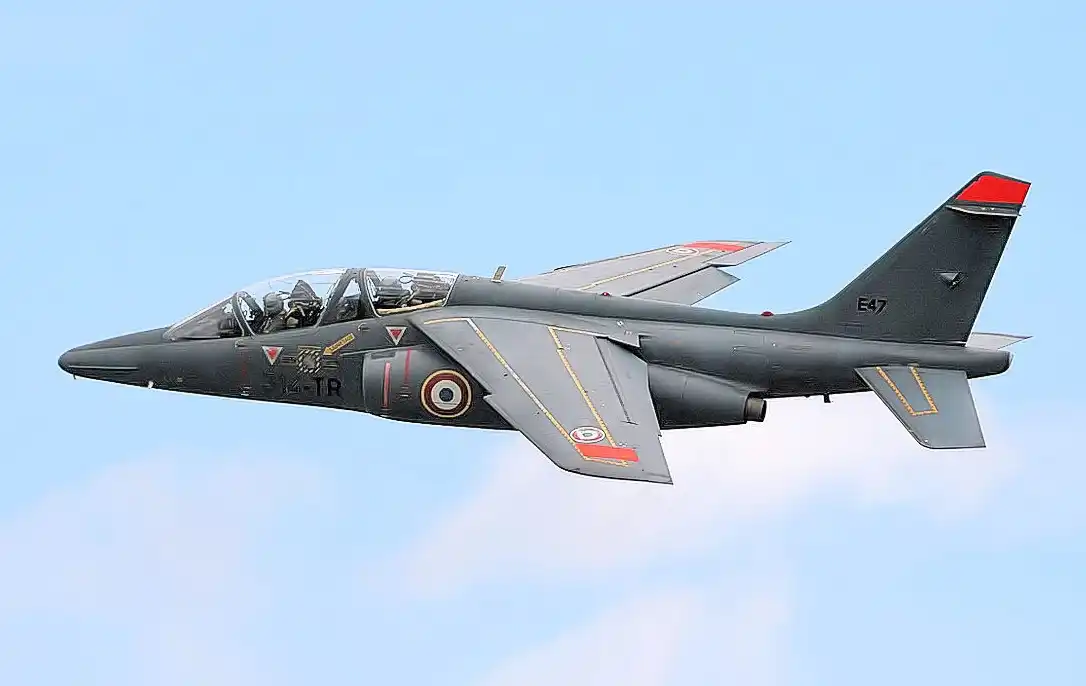
Developed jointly by France’s Dassault and Germany’s Dornier, the Alpha Jet entered the skies in the early 1970s as a light attack and advanced trainer aircraft. Primarily adopted by France as a jet trainer, its design emphasizes agility and visibility, equipped with twin SNECMA/Turbomeca Larzac 04-C6 turbofan engines.
Despite its sleek profile, the Alpha Jet’s top speed of 600 mph (Mach 0.8) places it firmly in the subsonic category. However, its longevity and versatility make it an enduring platform across various air forces worldwide, from Belgium to Nigeria. The Alpha Jet continues to serve effectively in pilot training and light strike missions even in 2025, more than five decades after its first flight.
#4 SEPECAT Jaguar – Maximum Speed: 990 mph (Mach 1.3)
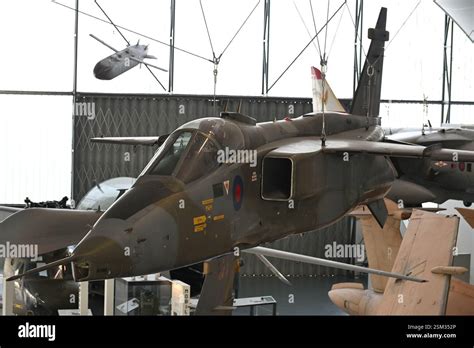
In the mid-1960s, Dassault-Breguet collaborated with Britain’s BAC to develop the SEPECAT Jaguar, designed initially as a supersonic jet trainer before evolving into a ground attack and nuclear strike platform. Featuring twin Rolls-Royce/Turbomeca Adour turbofans, the Jaguar achieved a top speed of 990 mph (Mach 1.3).
Operational history spans deployments by the French Air Force and Royal Air Force, with combat action in conflicts like the Persian Gulf War. Though retired from French and British service, the Jaguar remains operational in India. Its enduring service life underscores its adaptability, reliability, and combat relevance.
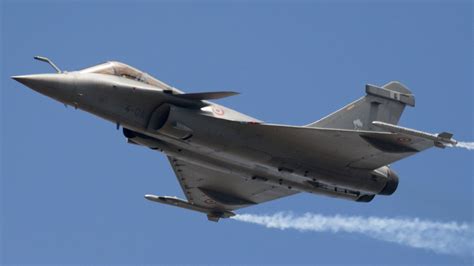
#3 Dassault Rafale – Maximum Speed: 1,400 mph (Mach 1.8)
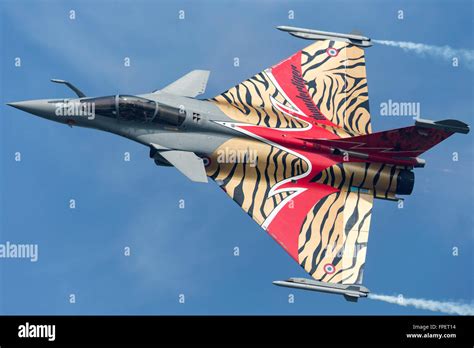
The Dassault Rafale is France’s primary multirole fighter, embodying the modern demands of air superiority, ground attack, and naval operations. Originating from the Future European Fighter Aircraft program of the 1980s, the Rafale was designed with versatility at its core. It entered service in 2006, with land-based (C and B) and carrier-capable (M) variants.
Powered by SNECMA M88-2 turbofan engines, the Rafale boasts a top speed of 1,400 mph (Mach 1.8). Its delta-wing design and fly-by-wire controls contribute to exceptional maneuverability and operational flexibility. Notably, Rafales have seen combat in Afghanistan, Libya, and the Middle East, solidifying their reputation as high-performance, combat-proven aircraft. In 2025, Rafales continue to evolve under the Super Rafale upgrade program, enhancing avionics, weapons integration, and stealth features.
#2 Dassault Mirage 5 – Maximum Speed: 1,460 mph (Mach 1.9)
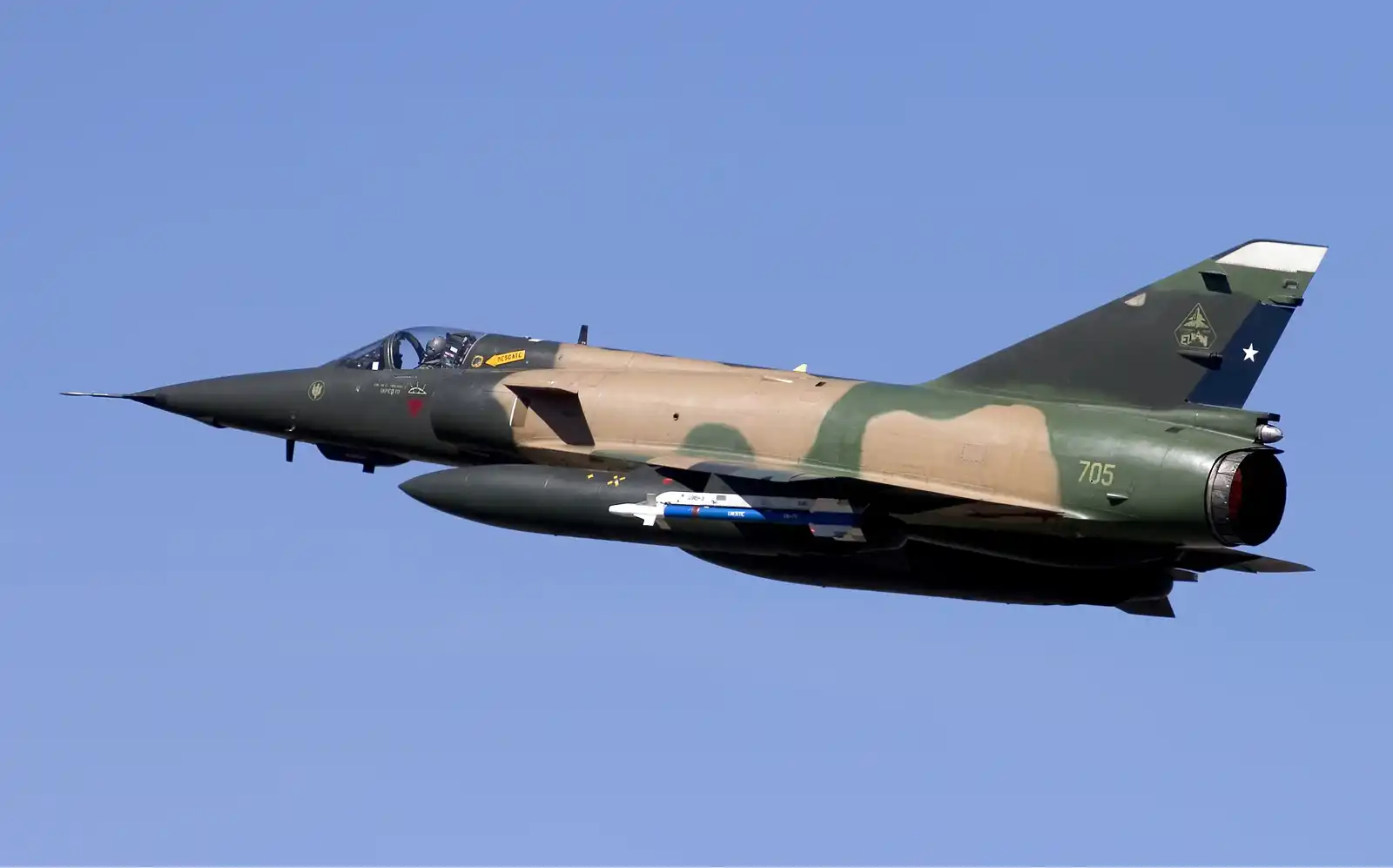
An evolution of the famed Mirage III, the Mirage 5 first took flight in 1967, conceived as a simplified and export-oriented version with increased fuel capacity and multirole capabilities. Despite its age, the Mirage 5’s performance remains notable, with a maximum speed of 1,460 mph (Mach 1.9).
Equipped with optimized avionics and a robust SNECMA Atar 9C turbojet, the Mirage 5 served extensively in air forces across South America, Africa, and the Middle East. Its combat versatility includes air-to-ground strike, air superiority missions, and reconnaissance roles. While largely retired from French service, several air forces globally still operate Mirage 5 variants, testifying to its enduring design and combat efficiency.
#1 Dassault Mirage 2000 – Maximum Speed: 1,500+ mph (Mach 2+)
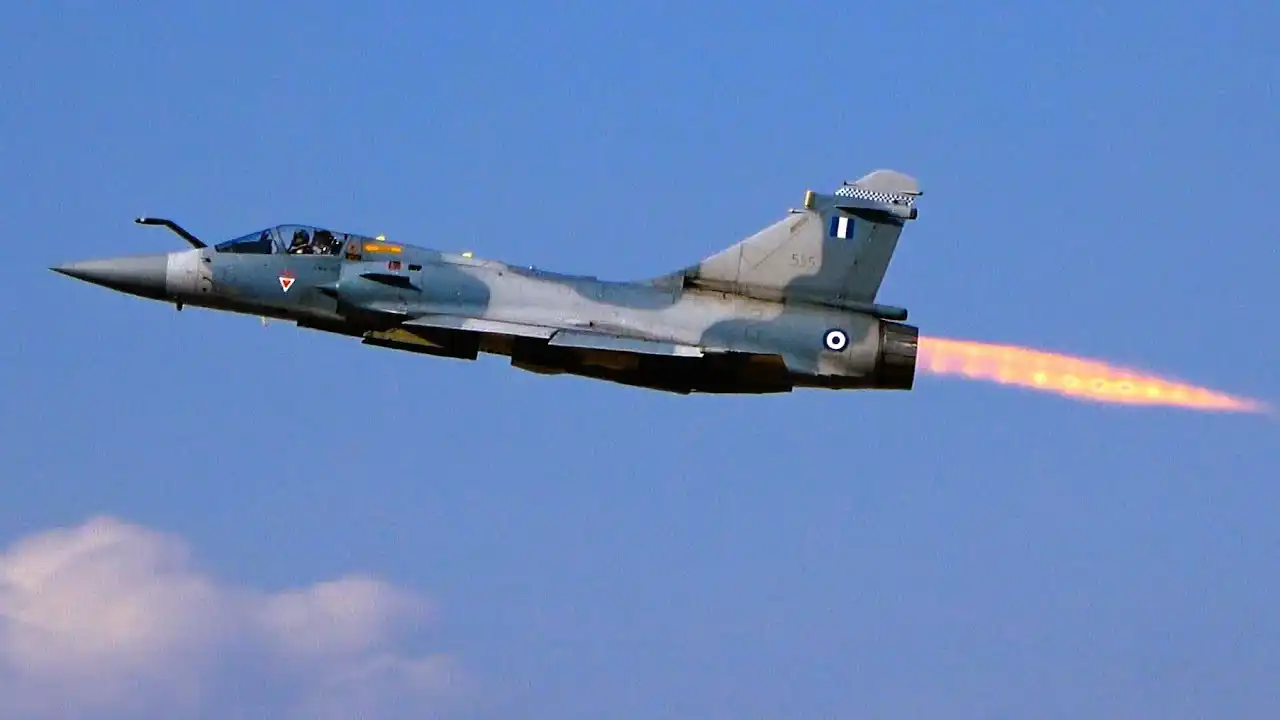
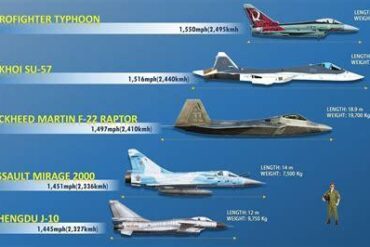
Leading the ranking is the Dassault Mirage 2000, a fighter that blends speed, agility, and versatility into a sleek airframe. Launched in the late 1970s as a response to lightweight multirole aircraft like the American F-16, the Mirage 2000 integrates a single SNECMA M53 turbofan engine generating over 18,000 pounds of thrust.
The Mirage 2000 exceeds 1,500 mph (Mach 2+), cementing its place among the fastest French-made jet fighters. Entering service in 1983, the aircraft has been continuously upgraded, with over 600 units produced and delivered to France, India, Greece, and several other nations.
Operational variants range from nuclear strike versions to multirole combat and training models. Even in 2025, the Mirage 2000 remains a backbone of several air forces, including frontline deployments by the French Air and Space Force and the Indian Air Force.
Why Speed Still Matters in Modern Air Combat
In an era dominated by stealth and network-centric warfare, raw speed may seem less critical. However, in practice, speed still offers decisive advantages:
- Quick Reaction Alerts (QRA): Rapid interception of hostile aircraft.
- Strike Missions: Shorter exposure time over hostile territory.
- Missile Evasion: High-speed capabilities assist in outrunning certain missile threats.
- Survivability and Tactical Flexibility: Faster aircraft can disengage from combat when necessary, preserving assets and pilots.
France’s latest fighters like the Rafale and Mirage 2000 integrate speed as part of a broader suite of performance attributes, maintaining tactical superiority across mission types.
Looking Forward: Future French Fighter Technologies
France’s military aviation future rests on two significant projects:
- Super Rafale Program: Enhancing existing Rafale fleets with advanced sensors, AI-driven systems, and next-generation weaponry.
- Système de Combat Aérien du Futur (SCAF): A sixth-generation fighter program developed in collaboration with Germany and Spain, set to revolutionize European air power post-2040.
These projects ensure that France will continue its tradition of aerospace excellence, combining speed, stealth, and multirole capabilities in future fighter designs.
Conclusion
From the subsonic Alpha Jet to the supersonic Mirage 2000, France’s jet fighters showcase an enduring legacy of innovation and performance. While newer platforms prioritize multi-domain integration and stealth, raw speed remains a fundamental attribute in the arsenal of modern air power. France’s ability to field fighters capable of both high velocity and multirole versatility underscores its status as a global aviation leader.