Choosing the best company for flight attendants goes far beyond a simple paycheck. For those entering or navigating a career in commercial aviation, the airline you join defines your lifestyle, growth opportunities, income trajectory, and even your daily work environment. While flight attendants may begin their careers on reserve, their long-term satisfaction and earning potential hinge on the airline’s compensation policies, base flexibility, and scheduling systems. In this detailed analysis, we examine three of the top U.S. airlines that stand out in 2025: Alaska Airlines, American Airlines, and Delta Air Lines. Each offers distinct advantages, and understanding these nuances is crucial in selecting the right path for your aviation career.
Understanding Pay Structures and Flight Attendant Hierarchies
Before diving into specific airline comparisons, it’s essential to understand a few fundamental industry concepts:
- Reserve status refers to new hires being on-call, often without a set schedule, though guaranteed monthly pay provides stability.
- Line Holder status is earned through seniority, allowing flight attendants to bid for and secure preferred schedules.
- A Base is the home airport from which flight attendants operate, return, and where their schedule begins and ends.
Early hiring matters immensely. The sooner a flight attendant enters the system, the faster they move up the seniority list, unlocking better pay, more flexible schedules, and premium routes. This is the route to achieving six-figure salaries—a real, attainable milestone at major carriers.
Alaska Airlines: Premium Boarding Pay and Flexible Earnings
Alaska Airlines has carved out a formidable reputation among industry insiders thanks to its compensation structure and pioneering Trips for Pay (TFP) system. TFP ensures that flight attendants are compensated not only for block time but also for additional duty time embedded within a trip, which results in higher take-home pay.
As of March 2025, Alaska offers the highest boarding pay in the industry for domestic narrow-body aircraft. This perk alone increases total earnings by an estimated 9.6%, a rare advantage even among legacy carriers.
Key Details:
- Training Duration: 5 weeks
- Age Requirement: 21+
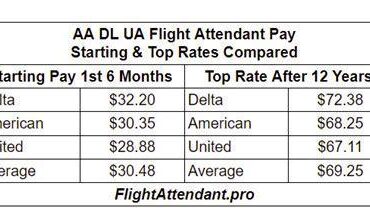
- Starting Pay: $32.00 per hour
- Top-out Pay: $74.25/hour (after 14 years, plus longevity bonuses beginning in year 16)
- Reserve System: Straight reserve until seniority allows line bidding
- Boarding Pay: Industry-leading
- Base Locations: SEA, PDX, SAN, ANC, LAX, SFO
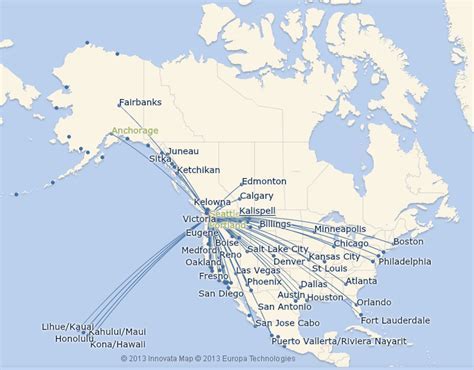
The combination of competitive hourly wages, industry-best boarding pay, and TFP earnings positions Alaska as one of the best companies for ambitious flight attendants looking for a fast-track to top-tier compensation.
American Airlines: Long-Term Earning Power and Career Stability
American Airlines has made strategic improvements to its flight attendant compensation model. After securing a contract upgrade in 2025, the airline introduced higher hourly rates, robust boarding pay policies, and a revamped profit-sharing system.
Though the company’s reserve system demands patience, with a full year of straight reserve duty, it transitions into a more favorable rotating reserve system in years two and three. This evolution offers long-term schedule relief and a sustainable career structure.
Key Details:
- Training Duration: 6.5 weeks
- Age Requirement: 20+
- Starting Pay: $35.82 per hour
- Top-out Pay: $82.24 per hour (after 13 years, with raises scheduled through 2029)
- Boarding Pay: 50% of hourly rate during boarding time
- Reserve System:
- Year 1: Straight reserve
- Years 2–3: Rotating (1 month on, 1 month off)
- Year 4+: Rotating (1 month on, 3 months off)
- Base Locations: BOS, ORD, DFW, LAX, MIA, CLT, SFO, JFK/LGA, DCA, PHL, PHX
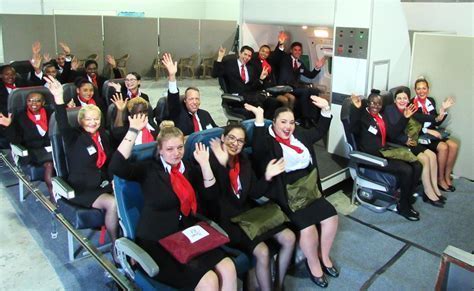
What makes American stand out is its long-term income trajectory. Top-tier flight attendants on premium routes with profit-sharing and optimized schedules can comfortably exceed $100,000 annually. While six-figure earnings are not immediate, American’s path to financial security and schedule autonomy is well structured.
Delta Air Lines: Flexible Scheduling and Fast Raises
Delta Air Lines remains one of the most sought-after airlines for flight attendants. Known for its generous profit-sharing program, Delta distributed 10% of each flight attendant’s income as a bonus in 2024 alone. What further distinguishes Delta is its non-union status, which enables it to implement faster pay raises and additional yearly increases without union contract delays.
Delta’s ADAYS reserve system is one of the most flexible in the industry. Instead of full-month reserve assignments, new flight attendants are only on call for six days per month, granting them significantly more control over their schedules compared to other carriers.
Key Details:
- Training: Paid (at minimum wage)
- Starting Pay: $35.00 per hour (January 2025)
- Top-out Pay: $78.80 per hour (after 13 years)
- Profit Sharing: 10% of annual income awarded in 2024
- Reserve System: 6 reserve days per month via ADAYS program
- Base Locations: ATL, BOS, DTW, LAX, MSP, JFK/LGA, SLC, SEA
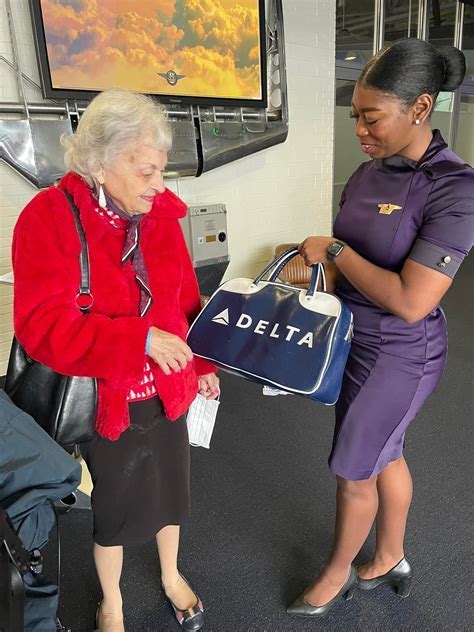
Delta’s competitive pay, agile scheduling model, and high entry standards make it both a challenge and a reward for those who succeed. Entry is highly competitive, with hundreds of thousands of applicants each year. Yet those who make it often enjoy the quickest path to high earnings and job satisfaction in the U.S. airline industry.
Strategic Considerations for Flight Attendants Choosing an Airline
Each airline has distinct structural and financial advantages. What matters most is aligning your personal and professional goals with the benefits each company offers. For example:
- Early career acceleration: Delta, with its fast pay increases and fewer reserve days
- Long-term earnings: American, with scheduled raises through 2029 and expansive bases
- Superior trip pay and boarding compensation: Alaska, with its TFP model and top-tier boarding pay
Seniority is the ultimate determinant of a flight attendant’s quality of life. The earlier one joins a strong company, the quicker they unlock the full spectrum of benefits—from schedule bidding to premium pay and international layovers.
Final Verdict: Which Airline is the Best Company for Flight Attendants?
There is no single best answer. However, based on current data, Delta Air Lines ranks highest for flexibility and fast-track income potential. Alaska Airlines follows closely with its innovative pay model and strong base network on the West Coast. American Airlines remains a robust choice for those seeking long-term security and a wide range of base locations.
Ultimately, the best company for flight attendants is the one that aligns most closely with your career timeline, geographic preferences, and willingness to endure the initial reserve system while climbing the seniority ladder.
Frequently Asked Questions
Can flight attendants really earn six-figure salaries?
Yes, but it depends heavily on seniority, route selection, profit-sharing, and schedule optimization. At top-tier airlines like Delta, Alaska, and American, seasoned flight attendants routinely exceed $100,000 annually.
Which airline has the shortest reserve period?
Delta offers the most flexible reserve system with only six A-Days per month, compared to a full year of straight reserve at American or the straight reserve at Alaska until seniority is gained.
What is boarding pay and why is it important?
Boarding pay compensates flight attendants for the time they assist passengers before takeoff—previously unpaid time. Alaska leads in this category with the highest boarding pay for domestic narrow-body aircraft, significantly boosting total income.