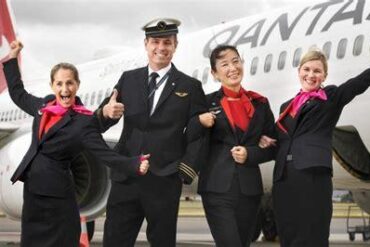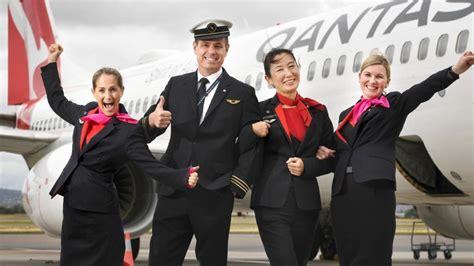
Australia’s flagship airline, Qantas, continues to set the standard in the aviation employment landscape, especially when it comes to cabin crew compensation. As of 2025, Qantas cabin crew members are among the highest paid in the industry, reflecting the airline’s century-long reputation for excellence in both safety and service quality.
The carrier, headquartered in Sydney, with major operating hubs across Brisbane, Melbourne, and Perth, operates a fleet of over 100 aircraft to more than 100 global destinations. This extensive reach not only supports the airline’s commercial dominance but also provides diverse working environments for its crew.
Qantas Cabin Crew Salary in 2025: How Much Do They Earn?
In 2025, Qantas cabin crew salaries remain highly competitive, with annual earnings ranging from AU$45,000 to AU$90,000 (approximately US$30,000 to US$60,000), depending on experience, seniority, and aircraft assignment. Crew members working in premium cabins—First and Business Class—typically command the higher end of the range, with some pursers and lead cabin crew earning well over AU$75,000 for an average of 80 flight hours per month.
Additionally, crew members employed via labour hire companies—previously paid at lower rates—have now seen increases of up to AU$20,000 annually, narrowing the wage gap and bringing them closer in line with directly employed Qantas staff.
But the salary figure alone doesn’t paint the full picture. Experienced crew members with extensive flying hours, frequent long-haul assignments, and specialized roles can exceed AU$100,000 annually when including layover allowances, meal stipends, and transport reimbursements.
Beyond the Paycheck: Benefits That Elevate the Qantas Experience
Qantas ensures its cabin crew receive comprehensive employment benefits that enhance their quality of life, both in and out of uniform. The following perks are instrumental in attracting and retaining talent across the airline’s workforce:
- Staff Travel Benefits: Deeply discounted fares for employees, their families, and friends on Qantas-operated and Oneworld alliance flights.
- Corporate Perks: Partnerships with fitness centers, insurance companies, retailers, and hotels grant access to exclusive discounts.
- Flexible Leave Programs: Crew members can purchase extra leave days or trade shifts, while holiday shifts come with higher pay premiums.
- Wellbeing Initiatives: The internal wellbeing app provides mental health support, fitness plans, and nutritional advice, encouraging holistic crew care.
- Career Mobility: Employees enjoy internal promotion opportunities, from cabin crew to leadership roles or even corporate positions within Qantas’ diverse divisions.
- Cultural Diversity: A multicultural team culture fosters personal growth and international professionalism, enriching each crew member’s career journey.
Training and Career Path: From Aspiration to Altitude
Working as a Qantas cabin crew member demands more than just a passion for travel—it requires dedication, discipline, and customer-first thinking. All candidates must fulfill the following eligibility criteria before being considered for a role:
- Be 18 years or older.
- Have recent experience in a customer-facing position.
- Meet the minimum reach requirement of 212cm, and not exceed a maximum height of 186cm.
- Possess (or be willing to obtain) valid First Aid and CPR certifications.
- Hold a Responsible Service of Alcohol (RSA) certificate.
- Demonstrate excellent health and fitness, including the ability to swim and tread water unassisted.
- Have unrestricted work rights in Australia.
Crew members are expected to excel in high-pressure environments, maintain impeccable grooming standards, deliver superior customer service, and respect cultural and linguistic diversity.
Qantas Cabin Crew Hiring Process in 2025
Qantas’ recruitment process is structured to identify high-caliber individuals who reflect the airline’s values. The multi-stage process ensures that only the most competent candidates make it through.
1. Application
Qantas advertises openings on its careers portal, inviting prospective candidates to submit resumes and relevant documentation.
2. Online Assessment
Shortlisted applicants undergo a digital screening test to measure personality alignment, communication skills, and decision-making abilities relevant to Qantas’ standards.
3. In-Person Assessment
Candidates who pass the online screening attend a comprehensive assessment day involving group tasks, written exercises, and physical evaluations (including the crucial arm reach test).
4. Pre-Employment Checks
Successful candidates are subject to background checks, including criminal records, aviation security clearances, and medical evaluations.
5. Eight-Week Training Program
Only after clearing all previous stages do applicants attend Qantas’ intensive eight-week training covering safety protocols, emergency procedures, first aid, and service excellence standards.
6. Employment Offer
Those who meet all criteria receive an official job offer, complete with their assigned base, which could be Sydney, Melbourne, Perth, or any of Qantas’ secondary bases across Australia.
Working Hours and Roster Flexibility
Qantas cabin crew generally operate between 70 to 85 flying hours per month, with schedules that rotate between short-haul and long-haul assignments. Unlike budget airlines with more rigid planning, Qantas offers flexibility through shift bidding systems and the ability to swap or bid for preferred routes based on seniority.
This means experienced crew members can align their rosters with family responsibilities, preferred destinations, or rest cycles, reducing fatigue and enhancing job satisfaction.
How Qantas Compares to Jetstar and Global Airlines
Jetstar, Qantas’ low-cost subsidiary, pays considerably less to its cabin crew. Most Jetstar crew members fall in the AU$35,000–AU$55,000 range annually, with fewer international layovers and fewer benefits. In contrast, Qantas crew enjoy wider travel scope, luxury cabin service experience, and better remuneration.
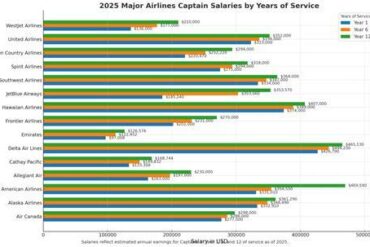
Compared globally, Qantas’ salaries are on par with major carriers like Singapore Airlines, Cathay Pacific, and Emirates, but with a distinct focus on employee wellbeing and career growth.
The Real Value: A Career, Not Just a Job
For many, becoming a Qantas cabin crew member is more than a paycheck—it’s a career path filled with global exposure, growth potential, and personal enrichment. The airline’s training standards, high compensation, and employee-first culture continue to attract thousands of applicants each year.
Moreover, Qantas’ consistent ranking as one of the safest airlines in the world reaffirms the responsibility and trust placed upon each crew member. They are not only the face of Australian aviation but also the custodians of safety and service excellence at 35,000 feet.

FAQs: Qantas Cabin Crew in 2025
How much do Qantas cabin crew earn in 2025?
Cabin crew salaries at Qantas range from AU$45,000 to AU$90,000 annually, depending on experience, aircraft type, and seniority. Additional allowances can push total earnings beyond AU$100,000.
What are the base locations for Qantas crew?
Crew members are primarily based in Sydney, Melbourne, Perth, and Brisbane, with additional hubs in Adelaide, Cairns, Canberra, Darwin, and Hobart.
What benefits do Qantas cabin crew receive?
They enjoy discounted travel, corporate perks, wellbeing support, flexible leave, and career advancement opportunities within the airline.
How competitive is the hiring process?
Very. Qantas has a multi-stage process that evaluates aptitude, communication, safety compliance, and customer service potential. Only the best candidates are selected.
How long is the training for new hires?
New cabin crew undergo a rigorous eight-week training program, which must be successfully completed before receiving a final employment offer.
Qantas’ commitment to its crew in 2025 proves that it isn’t just flying people to destinations—it’s also elevating careers and setting industry benchmarks.