The captain’s seat has always carried a certain mythic weight in aviation. It is the left seat where experience, judgment, and authority converge, where the final decision rests when weather deteriorates, systems misbehave, or time pressure mounts. In 2026, that responsibility is paired with compensation levels that place US airline captains among the highest-paid transportation professionals in the world. These salaries are not windfalls handed out casually; they are the cumulative reward for years of training, thousands of flight hours, and survival in a seniority-driven system that can be as unforgiving as it is lucrative.
What makes 2026 particularly striking is how rapidly captain pay has accelerated. New labor contracts, persistent pilot shortages, and mandatory retirements have combined to push compensation to historic highs. The result is a career apex that now routinely delivers annual earnings well north of $300,000, with the most senior widebody captains approaching, and sometimes exceeding, $450,000–$470,000 in total compensation. The numbers are impressive, but the story behind them is far richer, shaped by aircraft type, airline strategy, lifestyle trade-offs, and the quiet mathematics of seniority.
The Meaning of the Captain’s Role in Modern US Airlines
The title “captain” is not ceremonial. Under US aviation law and airline operating procedures, the captain is the pilot in command, legally responsible for the aircraft, the crew, and every soul on board. That authority extends beyond flying the airplane. Captains manage risk, coordinate with dispatch, lead the cockpit crew, and act as the final arbiter when rules collide with real-world complexity.
In practice, this means captains shoulder the emotional and cognitive load of decision-making under uncertainty. Weather deviations, mechanical irregularities, and crew coordination issues all land on their desk. Airlines price that responsibility directly into compensation. Higher pay is not merely a retention tool; it is recognition of the legal exposure, leadership expectations, and operational pressure inherent in command.
The Long Road to the Left Seat
Becoming a US airline captain is a slow-burn achievement. Most pilots spend years as first officers, building flight hours on regional jets or narrowbody aircraft while absorbing airline culture and operational nuance. The upgrade to captain is governed by seniority, not ambition alone. A pilot may be fully qualified yet still wait years for a vacancy to open.
That waiting period is not idle time. First officers refine decision-making skills, master standard operating procedures, and demonstrate reliability under pressure. When the upgrade finally arrives, it is accompanied by intensive simulator evaluations, line checks, and leadership assessments. Airlines are acutely aware that a captain’s judgment can mean the difference between a routine day and a headline.
How Airline Pilot Pay Is Structured in Practice
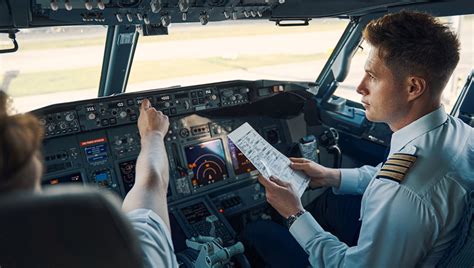
Pilot compensation is often misunderstood because base salary tells only part of the story. US airlines typically pay captains an hourly rate multiplied by credited flight hours, with contractual guarantees ensuring a minimum monthly income. On top of that base are layers of additional pay that significantly elevate annual earnings.
Per diem allowances compensate pilots for time spent away from base, quietly adding $10,000 to $20,000 per year. Premium pay for holiday flying, training assignments, and open-time trips can push earnings dramatically higher. Senior captains who strategically select trips during peak demand periods often add $30,000 to $50,000 annually without increasing total days worked.
Benefits further amplify total compensation. Defined contribution retirement plans, profit-sharing, and comprehensive healthcare coverage routinely add tens of thousands of dollars in indirect value. When viewed holistically, the captain’s pay package resembles an executive compensation structure more than a traditional hourly wage.
Captain Salaries at Major US Airlines in 2026
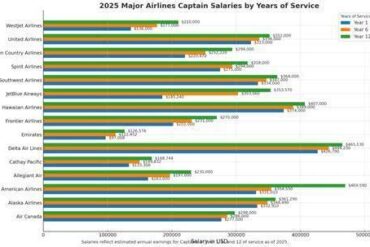
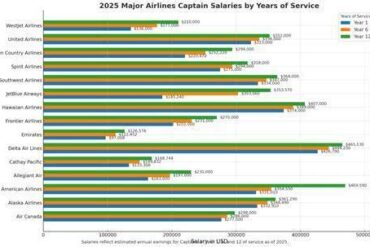
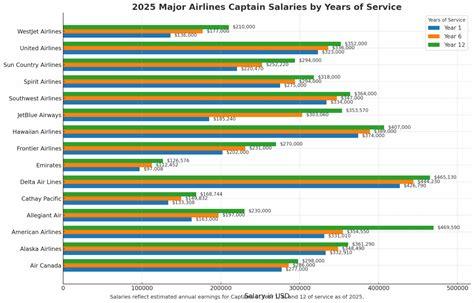
At legacy carriers such as Delta Air Lines, American Airlines, and United Airlines, captain pay has reached levels once considered exceptional. In 2026, narrowbody captains typically earn $300,000 to $360,000, while widebody captains flying long-haul international routes often exceed $400,000.
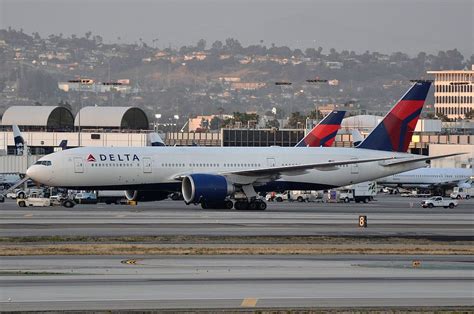
Delta’s pay scale illustrates the upper tier of the market. Senior widebody captains can approach $465,000 in annual earnings, driven by high hourly rates and robust premium opportunities. American Airlines follows closely, with top-of-scale captains also nearing $470,000 under favorable schedules. United’s structure remains competitive, particularly for pilots flying international widebody fleets with high credit hours.
Southwest and the Power of the Narrowbody Model
Southwest Airlines occupies a unique position in the US market. Operating a single aircraft type, the Boeing 737, the airline has built a compensation structure that rivals legacy carriers despite the absence of long-haul widebody flying. In 2026, Southwest captains earn approximately $316,000 to $364,000, depending on seniority.
What makes Southwest notable is not just pay, but predictability. Schedules are often more stable, and the simplicity of fleet operations reduces training disruptions. For many pilots, the trade-off between ultra-long-haul flying and consistent domestic routes is worth far more than a marginal pay difference.
Alaska, Hawaiian, and the Geography Premium
Regional geography plays an underappreciated role in captain compensation. Alaska Airlines and Hawaiian Airlines operate routes that combine operational complexity with unique lifestyle considerations. Long overwater segments, weather variability, and extended duty days are reflected in pay scales that remain highly competitive.
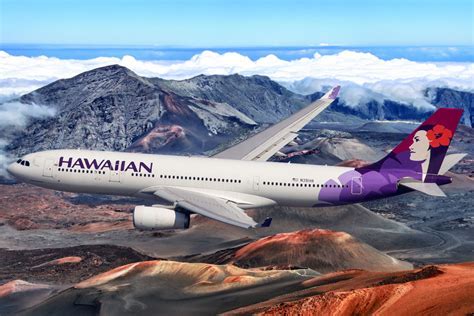
Senior captains at these airlines can earn between $325,000 and $407,000, particularly on longer sectors. For pilots drawn to specific bases or route networks, these carriers demonstrate that top-tier earnings are not limited to the three largest legacy airlines.
Cargo Airlines: Quiet Giants of Captain Pay
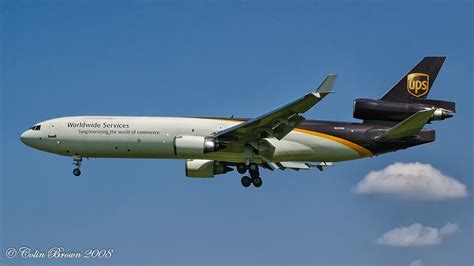
Cargo carriers like UPS Airlines and FedEx Express have long been known for strong compensation, and 2026 reinforces that reputation. Senior UPS captains flying widebody aircraft earn between $359,000 and $375,000, with predictable schedules and minimal passenger-facing stress. FedEx captains trail slightly at the top end, earning roughly $288,000 to $301,000, though premium flying can close much of that gap.
Cargo operations appeal to pilots who value consistency and operational focus over glamour. Night flying and longer duty periods are common, but the absence of passenger service complexities creates a distinctly different work environment. For many senior pilots, the balance of pay and lifestyle is compelling.
First Officers Versus Captains: The Financial Leap
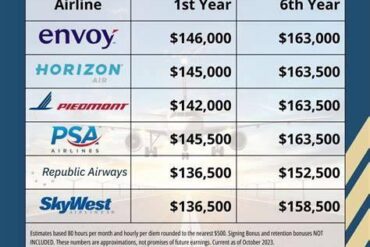
The upgrade from first officer to captain represents the most dramatic income shift in an airline pilot’s career. In 2026, first officers at major US airlines often start between $113,000 and $126,000, with pay rising to $230,000–$250,000 within five to six years. While these figures are already impressive, the captain upgrade can increase hourly pay by 50 to 100 percent almost overnight.
This leap reflects more than experience; it reflects authority. Captains accept final responsibility for every operational outcome. The financial reward mirrors the psychological and legal weight of that role. Over a career, the years spent as a senior captain often define lifetime earnings, particularly for pilots who upgrade early at fast-growing airlines.
Seniority: The Invisible Hand of Pilot Pay
Seniority is the quiet architect of every pilot’s career trajectory. It determines not only when a pilot upgrades to captain, but also which aircraft they fly, which routes they hold, and how much premium pay they can access. Two captains at the same airline, flying the same aircraft, can earn vastly different incomes based solely on seniority.
Pilots who join an airline during periods of expansion often benefit disproportionately. Faster upgrades and earlier access to premium schedules compound earnings over decades. Conversely, joining during stagnation can delay advancement, underscoring how timing shapes financial outcomes as much as skill.
Lifestyle Trade-Offs Behind the Numbers
High captain pay does not come without cost. Long-haul flying can mean extended time away from home, circadian disruption, and cumulative fatigue. Domestic narrowbody operations offer more frequent nights at home but often involve higher daily workload and tighter turnarounds.
Cargo pilots trade passenger interaction for nocturnal schedules. Regional geography can limit base choices. Each compensation figure reflects an implicit lifestyle agreement between pilot and airline. The smartest career decisions align personal priorities with pay structure, rather than chasing raw numbers alone.
What 2026 Salary Trends Mean for Aspiring Pilots
For aspiring pilots, the 2026 landscape is unusually favorable. Training costs remain substantial, often exceeding $80,000 to $120,000, but early-career pay now allows pilots to service debt far sooner than in previous generations. The accelerated path to six-figure income reduces financial risk and broadens access to the profession.
More importantly, the long-term outlook remains strong. Mandatory retirements, fleet growth, and global demand continue to tighten the labor market. Captains entering the left seat today are likely to experience sustained earning power, robust benefits, and meaningful job security well into the next decade.
In the end, US airline captain salaries in 2026 are not merely high; they are reflective of a profession that demands rare discipline, judgment, and resilience. The left seat rewards those who endure the long climb with compensation that matches the gravity of command, anchoring aviation as one of the most financially compelling careers in modern transportation.