Commercial aviation operates on a fascinating economic ecosystem where skill, responsibility, and experience converge thousands of feet above the Earth. In 2026, pilots flying narrowbody aircraft such as the Boeing 737 and Airbus A320 family sit at the heart of the global airline industry. These aircraft carry the majority of passengers worldwide, operating short- and medium-haul routes that keep airline networks functioning like circulatory systems for the modern world. Naturally, the pilots flying them command impressive salaries—but the numbers are far more complex than a simple paycheck.
Pilot compensation does not behave like a conventional salary system. Instead, it functions through a mixture of hourly flight pay, seniority systems, contract negotiations, bonuses, and allowances. A captain with decades of experience flying the same aircraft may earn several times more than a new first officer sitting just a few feet away in the cockpit. That dynamic makes aviation one of the most dramatic examples of experience-driven income progression in any profession.
Understanding what narrowbody pilots earn in 2026 requires examining airline economics, pilot career ladders, aircraft categories, and the unique compensation structure used across the aviation industry.
The short version is simple: narrowbody pilots at major airlines often earn between $250,000 and $350,000 annually, while new first officers can start far lower. But the longer story—where those numbers come from and how pilots reach them—is far more interesting.
The Structure of Airline Pilot Pay in 2026
Pilot salaries appear deceptively simple in headlines. Numbers like $300,000 airline captain salaries often circulate online, but the truth hides in the structure of airline contracts.
Airline pilots are typically paid based on flight hours rather than a fixed annual salary. Each aircraft type and seniority level has an hourly pay rate. Monthly earnings depend on how many hours the pilot flies within the airline’s scheduling system. That structure evolved decades ago to align compensation with operational activity and safety regulations governing pilot duty limits.
A typical narrowbody captain at a major U.S. airline might earn a high hourly rate exceeding $300 per flight hour, while a junior first officer earns far less. Multiply that by the allowed flight hours per month and the annual total emerges.
Beyond base pay, additional compensation layers influence income:
- Per diem allowances for meals and travel
- Profit-sharing programs at major airlines
- Retention bonuses during pilot shortages
- Retirement contributions and pension structures
When all of these factors combine, total compensation can climb significantly higher than base pay alone. Yet even without these extras, narrowbody pilots still occupy one of the highest-paying roles in commercial transportation.
Why Aircraft Type Influences Pilot Income
Aircraft type functions as an indirect signal of airline revenue. Larger aircraft typically operate long-haul routes carrying more passengers or higher-value cargo. This increased revenue supports higher salaries.
In aviation’s general pay hierarchy:
- Regional aircraft pilots earn the least
- Narrowbody pilots earn significantly more
- Widebody pilots command the highest salaries
The reasoning is economic rather than technical. Flying a Boeing 737 is not inherently easier than flying a Boeing 787. Both require extraordinary training and discipline. The difference lies in the revenue generated by each flight.
A transcontinental or international flight aboard a widebody jet can generate enormous revenue compared with a short regional route. Airlines therefore allocate higher compensation to those positions.
Still, narrowbody aircraft dominate airline fleets. Because of this, most airline pilots spend a large portion of their careers flying narrowbody jets.
Typical Narrowbody Pilot Salary Ranges in 2026
Across the United States in 2026, salary estimates reveal a fairly consistent pattern among major airlines. Narrowbody pilots—especially those flying the Boeing 737 or Airbus A320 families—typically fall within a well-defined compensation range.
Representative earnings often look like this:
- First-year first officer: $70,000 – $110,000
- Mid-career first officer: $130,000 – $180,000
- First-year captain: $200,000 – $320,000
- Senior captain: $300,000 – $350,000+
The numbers vary widely depending on airline contracts and pilot seniority. But they illustrate a critical truth about airline careers: income rises dramatically over time.
A pilot may spend years earning modest wages early in their career before suddenly crossing into six-figure territory once promoted to captain.
That progression reflects aviation’s deeply entrenched seniority system, which governs almost every aspect of pilot life.
How Seniority Controls a Pilot’s Career
Seniority functions as the invisible engine powering airline careers. Every pilot hired by an airline receives a seniority number, essentially a permanent ranking within the pilot workforce. That number determines nearly everything:
- Aircraft assignments
- Schedule preferences
- Vacation time
- Base locations
- Promotion opportunities
- Salary progression
Because narrowbody aircraft dominate airline fleets, they become the primary platform where pilots accumulate seniority and income.
A typical career might unfold like this:
A new pilot joins a regional airline, spending several years building flight experience. Eventually they transition to a major airline as a first officer on a narrowbody aircraft. Over time they gain seniority, upgrade to captain, and earn significantly higher wages.
Only after 10–20 years of career progression do some pilots move on to widebody aircraft flying long-haul international routes.
For many pilots, however, narrowbody aircraft remain their long-term professional home.

Major Airlines and Their Narrowbody Pilot Salaries
Airline contracts reveal how pay varies among carriers. Some of the most competitive salaries appear at the largest U.S. airlines, where strong unions and high revenues support generous pilot compensation packages.
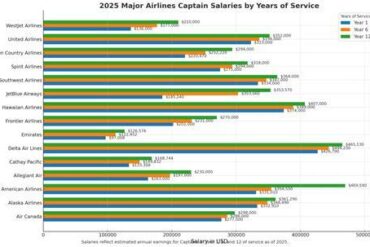
For example, estimated first-year captain salaries at several airlines include:
- United Airlines: around $316,000
- American Airlines: around $311,000
- Delta Air Lines: around $310,000
- JetBlue Airways: around $221,400
- Southwest Airlines: around $216,900
- Alaska Airlines: around $203,400
Meanwhile, first-year first officer pay typically ranges between $75,000 and $110,000 depending on the airline.
These figures highlight an interesting pattern. While captain salaries cluster relatively close together among major airlines, entry-level pilot salaries vary more dramatically.
That difference often reflects airline business models.
The Low-Cost Carrier Pay Gap
Low-cost and ultra-low-cost airlines operate under entirely different economic constraints compared with legacy carriers.
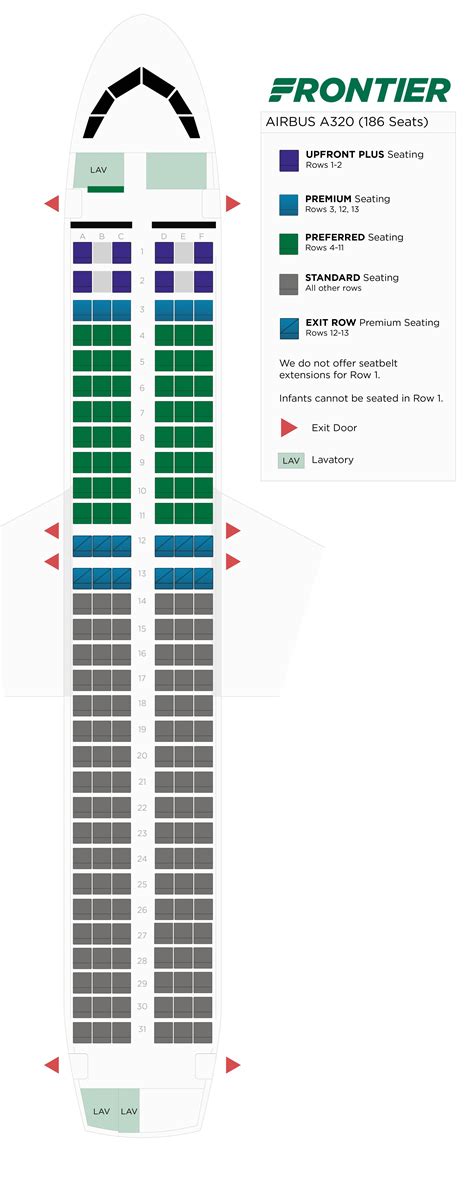
Airlines such as Frontier Airlines or Spirit Airlines focus on minimizing operating costs while maximizing aircraft utilization. Ticket prices remain low by stripping away expensive services, operating dense seating configurations, and maintaining lean corporate structures.
Pilot salaries inevitably reflect that strategy.
At Frontier Airlines, for instance, estimated narrowbody salaries begin noticeably lower than competitors:
- First-year captain: about $177,300
- First-year first officer: about $67,500
These numbers still represent respectable incomes, but they lag behind the compensation offered by major legacy carriers.
Yet the system works because many pilots treat these airlines as career stepping stones. Pilots build flight hours, gain jet experience, and eventually transition to higher-paying positions at major airlines.
Regional Airlines: The First Step Toward Narrowbody Cockpits
The journey toward flying a narrowbody airliner rarely begins there. Most pilots start much lower on the ladder, often flying regional aircraft such as the Embraer E175 or Bombardier CRJ900.
Regional airlines operate smaller jets with fewer seats, meaning each flight generates less revenue. That economic limitation translates directly into lower salaries.
Typical regional airline earnings might include:
- First-year first officer: $70,000 – $90,000
- Regional captain: $120,000 – $150,000
While these salaries appear modest compared with major airline compensation, they represent a crucial phase of professional development. Pilots accumulate flight hours, master airline procedures, and build the experience required to qualify for major airline hiring.
During the pilot shortages that followed the COVID-19 pandemic, regional airlines were forced to raise pay significantly to attract and retain talent. That shift accelerated career progression for many young pilots entering the industry.
Eventually, those pilots transition into narrowbody aircraft positions at larger airlines, where the financial rewards increase dramatically.
Why Most Airline Pilots Fly Narrowbody Aircraft
Despite the glamour often associated with long-haul international flights, widebody aircraft represent only a small fraction of the global fleet.
Most commercial airliners operating today are narrowbody jets. Airlines rely on them for domestic routes, regional connections, and high-frequency short-haul travel. Their efficiency makes them the backbone of modern aviation networks.
Only a handful of U.S. airlines operate significant widebody fleets, including:
- Delta Air Lines
- United Airlines
- American Airlines
- Hawaiian Airlines
Even within these airlines, narrowbody aircraft still dominate the total fleet count. That means the majority of pilots spend most of their careers flying single-aisle aircraft like the Boeing 737 or Airbus A321.
In practical terms, the narrowbody cockpit is where airline pilots earn most of their lifetime income.
Private Jet Pilots vs Commercial Airline Pilots
An intriguing twist in aviation economics emerges when comparing airline pilots with private jet pilots.
One might assume that flying wealthy executives on luxury business jets pays more than operating commercial airliners filled with passengers. In reality, the opposite is often true.
Median pay for commercial airline pilots sits around $220,000 annually, while many private jet pilots earn closer to $130,000.
The explanation lies in scale. Airlines transport hundreds of passengers simultaneously, generating enormous revenue per flight. Corporate flight departments typically operate far fewer aircraft and generate income indirectly through business operations rather than ticket sales.
Some elite private jet pilots flying large aircraft like the Gulfstream G700 or G800 can earn extremely high salaries—sometimes exceeding $400,000. However, those positions remain rare.
Many airline pilots later transition into private aviation for lifestyle reasons rather than higher pay.
Lifestyle, Workload, and the Reality of Flying Narrowbody Jets
Money tells only part of the story. Narrowbody airline pilots often fly shorter, high-frequency routes, which means multiple takeoffs and landings each day. While technically demanding, the schedule can be more predictable than long-haul flying.
Some pilots appreciate the routine. Others eventually seek variety in widebody international operations or private aviation.
Interestingly, experienced pilots sometimes describe flying large airliners as “driving a bus at 35,000 feet.” Modern aircraft are highly automated, and much of the flight is managed by sophisticated autopilot systems.
For pilots who crave hands-on flying, smaller aircraft or private jets sometimes provide a more engaging experience—even if the pay decreases.
Aviation careers therefore become a balancing act between income, lifestyle, and personal passion for flying.
The Future of Narrowbody Pilot Salaries
Looking ahead, several forces are likely to shape pilot compensation throughout the rest of the decade.
Global demand for air travel continues to grow steadily. At the same time, many experienced pilots hired during the airline expansion decades of the 1980s and 1990s are approaching retirement age.
That demographic shift has already created a pilot shortage in several regions, strengthening the negotiating position of pilot unions and pushing salaries upward.
Airlines are responding with higher pay, better benefits, and improved work rules designed to attract new pilots.
For narrowbody pilots, the result is clear. By 2026, flying aircraft like the Boeing 737 or Airbus A320 has become one of the most financially rewarding positions in commercial transportation.
The cockpit door may hide the complexity of the compensation system, but behind it sits a career defined by experience, patience, and extraordinary responsibility—along with a salary that reflects the immense trust placed in the pilots guiding hundreds of passengers safely through the sky.