UPS pilots stand among the highest-paid professionals in the aviation industry, thanks to a robust labor contract and the high operational demands of one of the largest cargo airlines in the world. United Parcel Service (UPS) operates an expansive international logistics network, supported by a fleet of widebody freighters and a corps of over 3,000 experienced aviators. In this article, we take an in-depth look at the UPS pilot salary structure, compensation progression, and the qualifications needed to join the ranks of this elite group.
The Business Behind the Uniform
Founded in 1988, UPS Airlines has grown into a global cargo powerhouse headquartered in Louisville, Kentucky. With over 5.5 billion packages delivered annually and revenue surpassing $61 billion in 2019, the company requires operational efficiency at scale, which includes a well-compensated and highly trained pilot workforce.
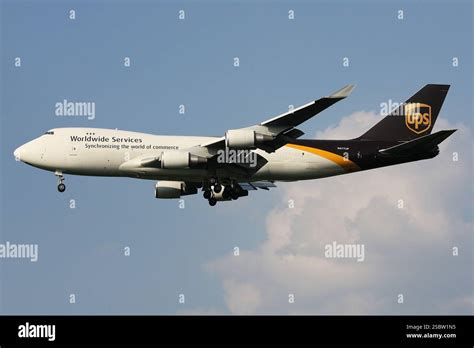
Unlike commercial passenger airlines, UPS pilots work irregular schedules, often flying overnight routes and traversing intercontinental paths. This demanding environment contributes to the competitive compensation packages offered by the company.
UPS Pilot Salary Overview in 2025
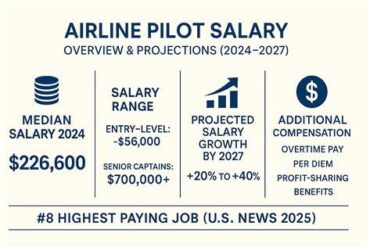
The UPS pilot pay scale is governed by the contract negotiated with the Independent Pilots Association (IPA), last updated in 2025. Salaries are based on rank (First Officer or Captain), years of service, and monthly flight hours, with a standard 81-hour reserve guarantee. While the figures below are accurate as base pay estimates, they exclude additional compensation elements such as per diem, override pay, profit-sharing, and 401(k) contributions.
UPS First Officer Salary
A First Officer at UPS earns significantly more than their counterparts in regional airlines, reflecting the responsibilities of handling long-haul international freighter flights and high-value cargo. The following estimates illustrate the base annual salary progression:
-
Year 1: $57,000
-
Year 5: $200,000
-
Year 9: $235,000
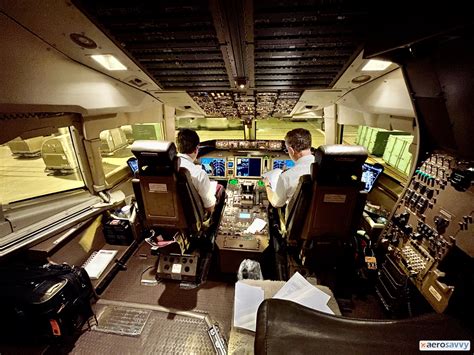
This rapid salary increase in the early years showcases UPS’s focus on long-term pilot retention and commitment to a competitive pay structure.
UPS Captain Salary
Promotion to Captain at UPS can take several years but comes with a significant pay jump. A Captain is responsible for aircraft command on complex international routes, including flying to Asia, Europe, and cross-continental U.S. hubs. Estimated base pay includes:
-
Year 1: $57,000 (initial Captain upgrade)
-
Year 5: $312,000
-
Year 15: $329,000
These figures make UPS Captains some of the best-paid cargo pilots in the world.
Additional Compensation and Benefits
Beyond base salary, UPS pilots benefit from a comprehensive compensation package that can substantially increase total earnings:
-
Per Diem: Paid for time spent on duty away from home base
-
Profit Sharing: Annual payouts linked to company performance
-
401(k) Contributions: Employer-matched retirement savings
-
Override Pay: Compensation for flying premium or hard-to-staff routes
-
Medical and Dental Benefits: Comprehensive healthcare options
For senior Captains, total annual compensation including all bonuses and benefits can exceed $400,000.
UPS Pilot Bases Worldwide
While the main UPS air hub is the Worldport in Louisville, pilots operate out of various strategic global bases. These include:
-
Anchorage, AK (ANC)
-
Cologne Bonn, Germany (CGN)
-
Philadelphia, PA (PHL)
-
Hong Kong (HKG)
-
Shanghai-Pudong, China (PVG)
These bases support a fleet of modern widebody freighters, allowing UPS to maintain an aggressive global logistics network.
Aircraft in the UPS Fleet
UPS operates a versatile fleet optimized for heavy cargo operations across multiple continents. As of 2025, key aircraft include:
-
Boeing 747-400 & 747-8F
-
Boeing 767-300F
-
Airbus A300F4
-
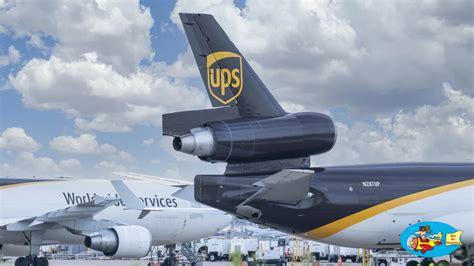
McDonnell Douglas MD-11
-
Boeing 757-200
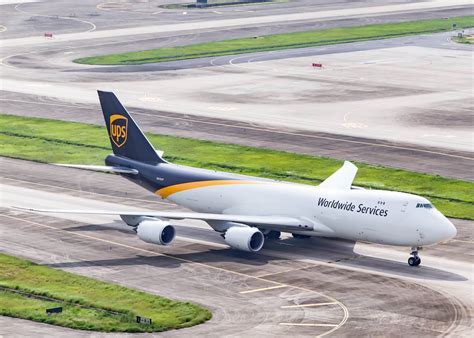
The diversity of aircraft provides pilots with exposure to different flight systems and route structures, further enhancing their skills and long-term earning potential.
How to Become a UPS Pilot
Becoming a UPS pilot requires a combination of regulatory compliance, flight experience, and academic credentials. UPS maintains a rigorous hiring process, with strong preference for candidates who have recent experience flying transport-category aircraft.
Regulatory Requirements:
-
FAA Airline Transport Pilot (ATP) Certificate
-
First Class Medical Certificate
-
Radiotelephone Operator’s Permit
-
SIDA Badge eligibility
-
Drug and background clearance (PRIA)
-
Minimum 1,500 hours of fixed-wing time
UPS-Specific Requirements:
-
Bachelor’s degree from an accredited institution
-
1,000+ PIC hours in fixed-wing jet or multi-engine turboprop aircraft
-
Recent flight experience within the last 12 months (preferred)
-
Military pilots may add .3 hours per sortie to flight time
UPS prioritizes candidates with substantial logistical or freight experience, and pilots from military aviation backgrounds are particularly valued.
Hiring Process and Application
Applications can be submitted through the UPS careers portal, although pilot openings are not continuously posted. Prospective candidates are encouraged to sign up for job alerts and prepare their documents in advance. The interview process includes technical assessments, simulator evaluations, and a multi-stage background screening.
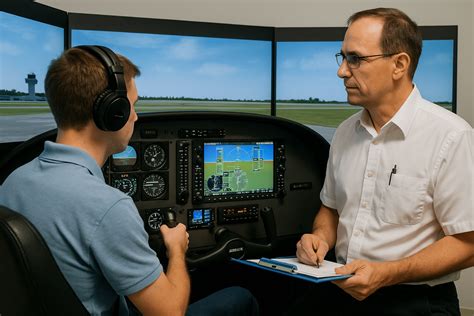
Networking with current UPS pilots and maintaining an updated profile on aviation career platforms can improve hiring chances.
Career Outlook and Stability
As global demand for e-commerce continues to grow, cargo airlines like UPS remain critical players in international trade. With automated logistics centers and a modernized fleet, the demand for highly trained cargo pilots is expected to remain strong. For pilots seeking high compensation, long-term job stability, and international flying experience, UPS offers one of the most attractive career paths in aviation today.
Frequently Asked Questions
How much does a UPS pilot make per year?
The average UPS First Officer earns between $57,000 and $235,000 annually based on years of experience. Captains can earn over $329,000 in base pay, not including additional benefits like per diem, profit sharing, and 401(k) contributions.
How long does it take to become a UPS Captain?
Most pilots reach Captain status within 7 to 10 years, depending on prior experience, availability of upgrade slots, and overall seniority. Military experience and performance during training may accelerate this timeline.
Do UPS pilots fly internationally?
Yes. UPS pilots operate international cargo routes to destinations across Asia, Europe, North America, and beyond. Bases in Shanghai, Hong Kong, Cologne, and East Midlands support a variety of long-haul assignments, offering global exposure and operational diversity.