A Naval Flight Officer (NFO) plays a critical role in U.S. Navy aviation, overseeing navigation, communication, and weapons systems aboard advanced aircraft. Compensation for this role is structured to reflect both rank progression and aviation-related incentives. As of March 2025, total annual earnings for a Naval Flight Officer typically range between $90,000 and $110,000, encompassing basic pay, Aviation Incentive Pay (AvIP), and various allowances such as housing and subsistence. Additional benefits, including health insurance, life insurance, and military retirement plans, further enhance the overall compensation package.
Naval Flight Officer Salary Overview
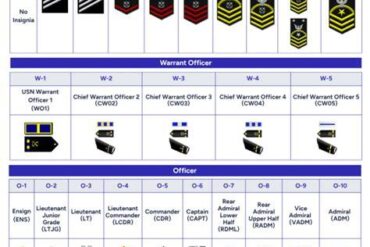
The salary of a Naval Flight Officer is determined by rank, years of service, and location. Typically, NFOs enter service at ranks such as O-1 (Ensign) or O-2 (Lieutenant Junior Grade) and progress through O-3 (Lieutenant) and O-4 (Lieutenant Commander) as they gain experience. Each promotion results in a higher base salary, alongside aviation-related bonuses and housing stipends.
For example:
- An O-3 with 4-6 years of service earns a basic monthly salary between $4,656.30 and $4,987.20, while an O-4 with the same experience level earns between $5,255.40 and $5,555.40.
- Aviation Incentive Pay (AvIP) adds between $125 and $1,000 per month, depending on aviation service years and rank.
- Basic Allowance for Housing (BAH) varies based on location, with amounts ranging from $1,500 to $2,500 per month.
- Basic Allowance for Subsistence (BAS) contributes approximately $400 per month, tax-free.
When factoring in basic pay, AvIP, BAH, and BAS, a Naval Flight Officer’s total annual salary typically falls between $90,000 and $110,000, with higher earnings for officers in expensive-duty locations or those who advance to senior ranks.
Basic Pay Structure for Naval Flight Officers (2025)
The foundation of an NFO’s salary is basic pay, which is determined by military pay grades (O-1 to O-10) and total years of service. The following outlines the monthly salary structure for officers up to O-6, effective January 2025:
2025 Officer Pay Scale:
- O-1: $3,347.70 – $4,136.70
- O-2: $3,875.50 – $5,013.00
- O-3: $4,450.20 – $5,274.90
- O-4: $5,255.40 – $6,451.50
- O-5: $6,162.90 – $7,171.10
- O-6: $7,332.00 – $8,049.30
Naval Flight Officers typically start as O-1 or O-2, with O-3 and O-4 ranks being common mid-career levels. With promotions, pay significantly increases, especially when combined with special aviation incentives and allowances.
Aviation Incentive Pay (AvIP) for Naval Flight Officers
In addition to base pay, Naval Flight Officers receive Aviation Incentive Pay (AvIP), formerly known as Aviation Career Incentive Pay (ACIP). This is provided exclusively to officers engaged in aviation-related duties. As of 2025, AvIP rates are as follows:
| Rank (O-Grade) | Years of Aviation Service | Monthly AvIP |
|---|---|---|
| O-1 to O-3 | 2 or less | $125 |
| O-1 to O-3 | Over 2 to 6 | $156 – $250 |
| O-4 | 2 or less to over 14 | $250 – $500 |
| O-5 | 2 or less to over 14 | $500 – $750 |
| O-6 | 2 or less to over 14 | $750 – $1,000 |
| O-7 and above | All | Up to $206 |
For example, an O-3 with 4 years of aviation service may receive $250 per month, while an O-4 with 6 years of aviation service could receive $500 per month.
Allowances: Housing, Subsistence, and Special Pay
Beyond basic pay and AvIP, Naval Flight Officers are entitled to various allowances that substantially increase their total earnings.
Basic Allowance for Housing (BAH)
The BAH rate is adjusted based on duty station location and dependency status:
- High-cost areas (e.g., San Diego, CA): ~$2,500 per month
- Moderate-cost areas (e.g., Norfolk, VA): ~$2,000 per month
- Low-cost areas (e.g., Pensacola, FL): ~$1,500 per month
Basic Allowance for Subsistence (BAS)
BAS is a fixed amount provided to all officers:
- 2025 BAS rate for officers: $400 per month
- Tax-free benefit, intended to offset meal costs.
Other Potential Allowances
- Sea Pay (for officers serving aboard deployed vessels)
- Hardship Duty Pay (for challenging locations)
- Family Separation Allowance (for deployments exceeding 30 days)
- Combat Tax Exclusions (for deployments in combat zones)
Calculating Total Compensation for a Naval Flight Officer
To illustrate the financial outlook of a Naval Flight Officer, consider the following examples:
Junior Officer (O-3, 6 years of service)
- Basic Pay: $4,987.20
- AvIP: $250
- BAH: $2,000
- BAS: $400
- Total Monthly Pay: $7,637.20
- Total Annual Salary: $91,646.40
Mid-Career Officer (O-4, 6 years of service)
- Basic Pay: $5,555.40
- AvIP: $500
- BAH: $2,000
- BAS: $400
- Total Monthly Pay: $8,455.40
- Total Annual Salary: $101,464.80
Additional Non-Salary Benefits
Beyond monetary compensation, NFOs receive a variety of non-salary benefits that enhance career longevity and financial stability:
- Health Insurance (TRICARE): Comprehensive medical, dental, and vision coverage.
- Life Insurance: Up to $500,000 Servicemembers’ Group Life Insurance (SGLI) coverage.
- Retirement Benefits: Eligible for a military pension after 20 years of service, often starting at age 38.
- Education Benefits: Access to tuition assistance, NROTC programs, and the Post-9/11 GI Bill.
Frequently Asked Questions (FAQ)
1. How does a Naval Flight Officer’s salary compare to civilian pilots?
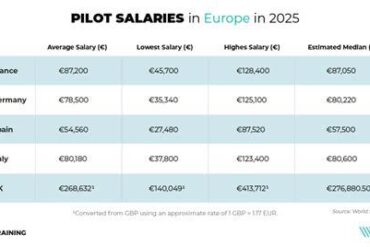
While NFOs earn $90,000 – $110,000 annually, civilian airline pilots often start at $60,000 – $100,000, with senior captains exceeding $200,000. However, military benefits (housing, healthcare, retirement) provide additional long-term financial security.
2. Do Naval Flight Officers receive bonuses for staying in aviation roles?
Yes. Officers who commit to extended aviation careers can receive retention bonuses, particularly if they enter specialized or high-demand aviation roles.
3. Can a Naval Flight Officer retire early?
Yes. After 20 years of service, NFOs are eligible for a military pension, allowing them to retire as early as age 38-42 with lifelong retirement pay.