Military aviation remains one of the most respected career fields in the United States Armed Forces, but not every pilot follows the same career path or receives the same paycheck. US Army Aviation Warrant Officers and US Air Force pilots both operate advanced military aircraft, yet their compensation differs significantly because each service uses a completely different personnel structure.
While Army helicopter pilots specialize in flying and technical expertise throughout most of their careers, Air Force pilots begin as commissioned officers with leadership responsibilities that steadily increase alongside their pay. In 2026, these differences affect not only annual salaries but also housing allowances, aviation incentive pay, retention bonuses, retirement income, and long-term civilian career opportunities.
Understanding these distinctions provides a much clearer picture than simply comparing base salaries.
The reality is that Air Force pilots consistently earn more throughout their military careers, but Army Aviation Warrant Officers enjoy an attractive combination of competitive pay, extensive flying time, technical specialization, and a unique path into military aviation that does not require becoming a traditional commissioned officer.
Why Army Aviation Warrant Officers and Air Force Pilots Follow Different Career Paths
Although both professionals wear pilot wings, the Army and Air Force were designed around entirely different operational philosophies.
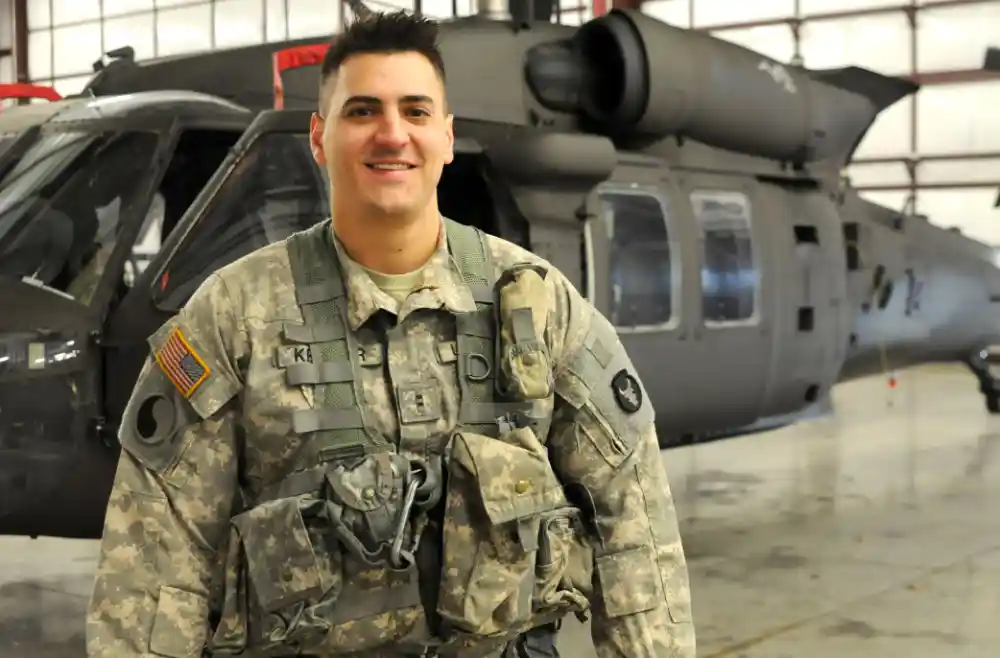
The US Army primarily depends on helicopters to support soldiers on the battlefield. Aircraft such as the AH-64 Apache, UH-60 Black Hawk, and CH-47 Chinook perform assault, reconnaissance, medical evacuation, cargo transport, and close combat missions. Because of this emphasis, the Army created a career path allowing Warrant Officers to spend most of their careers flying aircraft instead of moving into administrative leadership positions.
The US Air Force, on the other hand, operates a global fleet of fighters, bombers, cargo aircraft, aerial refueling tankers, reconnaissance aircraft, and trainers. Every pilot is a commissioned officer expected to balance flying duties with leadership, management, and command responsibilities as promotions occur.
This distinction directly affects compensation because military pay is based largely on rank rather than occupation.
An Air Force pilot begins on the commissioned officer pay scale, while an Army Aviation Warrant Officer enters the separate Warrant Officer pay table. Since officer pay grades are higher across the board, Air Force aviators receive larger base salaries throughout virtually every stage of their careers.
How Military Pilot Pay Is Structured in 2026
Military compensation includes much more than monthly salary.
Aviation personnel receive several forms of compensation that combine into total annual earnings:
- Base pay, determined by rank and years of service.
- Basic Allowance for Housing (BAH), a tax-free housing allowance that varies by duty station and rank.
- Basic Allowance for Subsistence (BAS) to help cover food expenses.
- Aviation Incentive Pay (Flight Pay) based on aviation service.
- Hazardous duty and deployment pay when applicable.
- Retention bonuses designed to encourage experienced pilots to remain in military service.
Because many of these benefits increase alongside rank, commissioned Air Force officers gradually widen the compensation gap over Army Warrant Officers as both careers progress.
2026 Monthly Base Salary by Rank
The military pay tables clearly illustrate how commissioned officer salaries exceed Warrant Officer salaries throughout comparable career stages.
| Army Aviation Rank | Air Force Officer Rank | Approximate Monthly Base Pay |
|---|---|---|
| WO1 | O-1 (Second Lieutenant) | $3,900 |
| CW2 | O-2 (First Lieutenant) | $5,100 |
| CW3 | O-3 (Captain) | $6,600 |
| CW4 | O-4 (Major) | $7,900 |
| CW5 | O-5 (Lieutenant Colonel) | $9,300 |
| — | O-6 (Colonel) | $11,200 |
Unlike commissioned officers, Army Warrant Officers do not have an equivalent above Chief Warrant Officer 5, limiting maximum base salary potential.
US Army Aviation Warrant Officer Salary in 2026
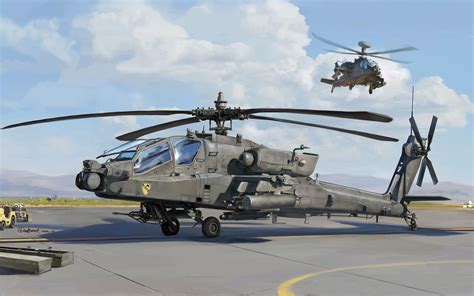
Army Aviation Warrant Officers occupy one of the military’s most technically specialized career fields. Rather than rotating into command assignments every few years, they spend much of their careers perfecting tactical aviation skills and accumulating extensive flight hours.
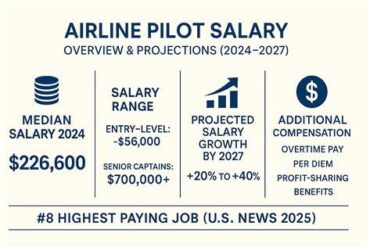
During their first several years after completing flight training, most junior Army aviation pilots earn approximately $65,000 to $85,000 annually once base pay, housing allowances, food allowances, and aviation incentives are combined.
As experience increases, annual compensation rises steadily.
Mid-career Chief Warrant Officer 3 aviators generally receive between $100,000 and $130,000 annually, depending upon duty station, years of service, deployment history, and additional incentive programs.
Senior Chief Warrant Officer 4 and Chief Warrant Officer 5 aviators can earn substantially more when overseas assignments, hazardous duty pay, and retention bonuses are included.
Unlike many commissioned officers, these experienced pilots frequently remain active in flight operations rather than transitioning into office-based leadership roles.
US Air Force Pilot Salary in 2026
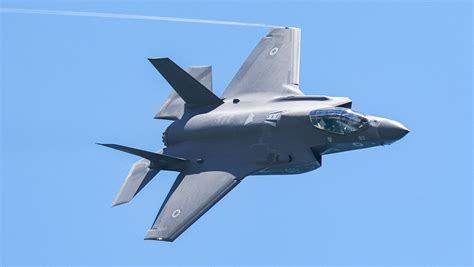
Air Force pilots enter military service through commissioning programs, requiring a bachelor’s degree before attending pilot training.
This higher entry requirement is reflected immediately in compensation.
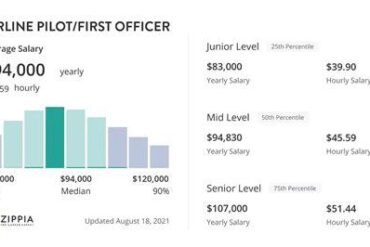
Junior Air Force pilots generally earn between $75,000 and $95,000 annually during their first four years after accounting for salary, allowances, and flight pay.
By approximately eight years of service, many Air Force pilots have advanced to Captain or Major, increasing annual earnings to roughly $115,000 to $150,000 depending on location and additional compensation.
Senior officers continue climbing toward Lieutenant Colonel and Colonel, positions that command significantly larger salaries while also carrying extensive leadership responsibilities.
Instead of focusing exclusively on flying, senior Air Force officers often supervise squadrons, training organizations, operational planning, logistics, budgeting, and personnel management.
Flight Pay Is Equal Across Both Services
One major component of military aviation compensation remains identical regardless of branch.
Congress establishes Aviation Incentive Pay, meaning Army and Air Force aviators receive the same monthly flight pay based solely on aviation service.
The payment structure generally follows this progression:
- Around $150 per month early in a pilot’s career.
- Approximately $700 monthly after six years of aviation service.
- Up to $1,000 monthly after fourteen years.
Because these rates are standardized across military aviation, flight pay itself does not explain the compensation gap between Army and Air Force pilots.
Instead, differences originate almost entirely from commissioned officer salary tables, housing allowances, and retention incentives.
Housing Allowances Increase the Salary Gap
Housing allowances represent one of the least visible—but most significant—differences in military compensation.
The Basic Allowance for Housing is tax-free and depends largely upon military rank, geographic location, and dependent status.
Since Air Force pilots generally hold higher officer ranks than Army Warrant Officers at equivalent career stages, they receive larger monthly housing allowances even when living in the same city.
Over twenty years of military service, these higher tax-free housing payments contribute tens of thousands of additional dollars beyond simple salary comparisons.
Retention Bonuses Favor Air Force Pilots
One of the largest compensation differences appears through pilot retention programs.
Commercial airlines continue hiring experienced military aviators aggressively, forcing every service branch to compete for qualified pilots.
The US Air Force Aviation Bonus Program offers some of the military’s highest retention incentives.
Eligible pilots may receive:
- Up to $50,000 annually
- Potential contract values reaching $600,000 over multiple years
The Army also provides retention bonuses, but its system works differently.
Rather than guaranteeing standard bonus amounts, senior Army Aviation Warrant Officers participate in an auction-style process by submitting confidential bids. The Army then determines which offers to accept based upon budget limitations.
Even successful participants generally receive no more than approximately $25,000 annually, roughly half the maximum Air Force incentive.
Technical Expert vs Future Commander
Salary differences mirror differences in career expectations.
Army Aviation Warrant Officers spend nearly their entire careers becoming elite technical experts.
Their responsibilities include:
- Flying tactical helicopter missions
- Maintaining advanced aircraft qualifications
- Advising commanders on aviation operations
- Training junior aviators
- Serving as subject matter experts
Air Force officers gradually shift toward organizational leadership.
Besides flying missions, they eventually oversee:
- Squadron operations
- Personnel management
- Budget planning
- Training programs
- Strategic operational planning
- Wing-level leadership
The additional administrative responsibilities justify the higher commissioned officer pay scale.
Commercial Airline Opportunities After Military Service
Military aviation experience remains highly valuable in civilian aviation, but transition pathways differ considerably.
Air Force pilots generally possess an advantage because they accumulate large numbers of fixed-wing flight hours in aircraft such as the C-17 Globemaster III, KC-46 Pegasus, C-130 Hercules, or fighter aircraft.
Major airlines prefer applicants with extensive multi-engine fixed-wing experience, making Air Force pilots highly competitive immediately after military service.
Army Warrant Officers primarily fly helicopters.
Although rotary-wing experience is respected, transitioning into airline cockpits usually requires additional fixed-wing training through rotor-to-airline conversion programs.
Some pilots complete these programs independently, while others enter regional airline partnerships before moving to major carriers.
Another important consideration is airline seniority.
Airline pay, scheduling, vacation priority, aircraft assignments, and base selection depend almost entirely upon hiring date.
A pilot leaving military service after ten years begins accumulating airline seniority much earlier than someone remaining until twenty years for military retirement.
Over an entire airline career, that timing difference can amount to millions of dollars in lifetime earnings.
Military Retirement Benefits in 2026
Both Army Aviation Warrant Officers and Air Force pilots participate under either the legacy High-3 Retirement System or the Blended Retirement System (BRS), with most newer retirees covered by the BRS.
After twenty years of active service, retirees receive a pension calculated from their highest thirty-six months of base pay.
Since commissioned officer salaries exceed Warrant Officer salaries, retirement benefits also differ significantly.
An Air Force Lieutenant Colonel (O-5) retiring after twenty years typically receives approximately $960 more every month than an Army Chief Warrant Officer 4, based solely on higher base pay.
That difference equals more than $11,000 annually before future cost-of-living adjustments.
Across several decades of retirement, lifetime pension payments may differ by roughly $350,000, illustrating how higher commissioned officer salaries continue producing financial advantages long after active military service ends.
Which Career Offers Better Overall Compensation?
Purely from a financial perspective, the answer is straightforward.
An Air Force pilot earns more throughout virtually every stage of military service because commissioned officers occupy higher pay grades, receive larger housing allowances, qualify for more generous retention bonuses, and ultimately retire with larger pensions.
However, salary tells only part of the story.
Many aspiring aviators deliberately choose the Army because they want to spend as much time as possible flying helicopters instead of gradually transitioning toward administrative leadership. The Army’s Warrant Officer system offers one of the fastest and most direct pathways into military aviation while allowing experienced pilots to remain in the cockpit for much longer than many commissioned officers.
For individuals whose primary passion is flying rotary-wing aircraft, the Army provides exceptional opportunities despite lower lifetime compensation.
For those seeking maximum earnings, stronger retirement benefits, larger bonuses, and a smoother transition into commercial airline flying, the Air Force generally provides the greater long-term financial advantage.
Ultimately, both career paths offer competitive salaries, outstanding benefits, world-class flight training, comprehensive healthcare, retirement security, and the opportunity to operate some of the most advanced military aircraft in the world. The better choice depends less on the paycheck alone and more on whether a pilot prefers a lifelong technical flying career or a leadership-focused aviation profession that combines flight operations with command responsibility.