The US Army Aviation Warrant Officer community represents one of the most specialized and technically demanding career paths in the American military. Unlike other branches where commissioned officers dominate aviation roles, Army Aviation relies heavily on warrant officers to operate its fleet of attack helicopters, utility aircraft, and future vertical lift platforms. These pilots are the experts who spend years mastering complex aircraft systems, tactical missions, and battlefield aviation operations.
However, becoming an Army helicopter pilot requires a massive investment of time, money, and resources. Flight training is lengthy, aircraft are expensive to operate, and experienced aviators cannot be quickly replaced. This reality led the Army to introduce a significant policy change: new Aviation Warrant Officers are now required to complete a 10-year Active Duty Service Obligation (ADSO) after reaching a key point in flight training.
The policy was created to solve one of the Army’s biggest aviation challenges: training pilots only to lose them just as they become highly valuable.
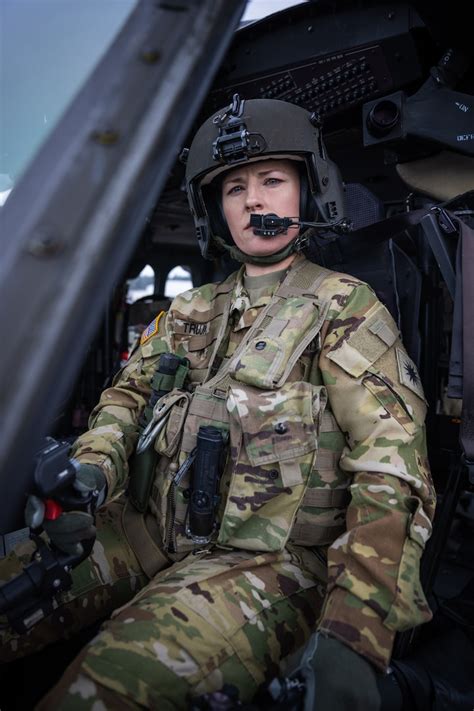
The Reason Behind the Army’s 10-Year Aviation Contract
Before the policy change, Army Aviation Warrant Officers typically entered service with a shorter commitment. Many pilots completed their required service obligation after six years, which often happened at the exact moment they reached peak operational value. By that point, they had accumulated significant flight hours, gained leadership experience, and earned advanced qualifications.
For the Army, this created a frustrating cycle. The service was spending hundreds of thousands of dollars training new helicopter pilots, only to see many leave shortly after becoming fully qualified combat aviators.
The problem became more serious as civilian airlines expanded their recruitment of military pilots. Commercial carriers recognized that military aviators already possessed extensive cockpit experience, strong decision-making skills, and exposure to demanding operational environments.
For an Army helicopter pilot, transitioning to the airline industry is not always a direct path. Unlike Air Force or Navy pilots who often fly aircraft closer in design to civilian jets, Army aviators generally operate helicopters. They must complete additional training and certification requirements before moving into commercial aviation.
Despite those challenges, many pilots still found the opportunity attractive. Airline salaries, predictable schedules, and long-term career opportunities created a powerful incentive for experienced Army aviators to leave.
The 10-year ADSO was designed to give the Army more time to benefit from its investment. Instead of losing pilots immediately after they became fully qualified, the service could retain them through critical mid-career years when their skills were most valuable.
Why Experienced Warrant Officers Are Difficult To Replace
The shortage facing Army Aviation is not simply a numbers problem. It is a shortage of experience.
A newly graduated flight school student is not equivalent to a seasoned aviation leader. Becoming a highly capable Army aviator requires years of additional development. Pilots must gain tactical experience, complete advanced qualifications, and build confidence operating in complex battlefield environments.
A senior Aviation Warrant Officer may serve as a:
- Pilot-in-Command responsible for aircraft safety and mission execution
- Maintenance Test Pilot evaluating aircraft performance
- Flight Instructor training future Army aviators
- Tactical aviation expert advising commanders
These positions require thousands of hours of combined training and operational experience.
When experienced pilots leave, the Army does not simply lose a seat in an aircraft. It loses institutional knowledge that takes years to rebuild.
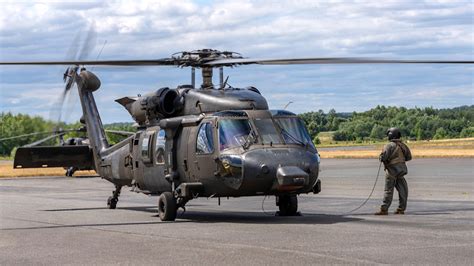
The timing of the old six-year commitment created a particularly difficult situation. Many pilots were reaching important career milestones just as their obligation ended. They had become exactly the type of aviators the Army needed most, yet they were also the most attractive candidates for civilian employers.
The 10-year ADSO changes that equation. The Army now retains pilots during the period when they transition from inexperienced operators into senior aviation professionals.
How The Active Duty Service Obligation Works
The Army’s aviation commitment is not simply a traditional employment contract. It is an Active Duty Service Obligation, meaning pilots agree to remain on active duty for a defined period after completing certain training requirements.
A major clarification came in 2025 when the Army adjusted when the 10-year clock officially begins. Previously, some pilots experienced unexpected delays because flight training schedules could be affected by aircraft maintenance issues, weather, or limited training capacity.
These delays created situations where pilots effectively served longer than expected before their obligation officially started. In some cases, a training pipeline problem could push the total commitment closer to 11 or even 12 years.
The Army addressed this issue by determining that the ADSO begins after completion of the Common Core curriculum, creating a more predictable timeline for aviation candidates.
This adjustment was important because recruiting future pilots requires a balance. The Army needs a long enough commitment to protect its investment, but it also needs to ensure talented candidates do not view the obligation as an unreasonable barrier.
The Army’s Solution: Longer Contracts And Bigger Retention Bonuses
A longer service commitment alone does not guarantee retention. Military planners understand that financial incentives and career satisfaction play major roles in convincing experienced aviators to stay.
To address this, the Army has expanded retention incentives for senior warrant officers who have completed their initial obligations.
The traditional aviation retention bonus system offered additional pay for pilots willing to extend their service. Under newer approaches, the Army has increased the potential value of these incentives significantly.
The Warrant Officer Retention Bonus Auction (WORBA) represents a new method of determining how much additional compensation pilots receive.
Instead of offering the same bonus without considering market conditions, eligible warrant officers submit the amount they believe is necessary to continue serving. The Army then analyzes those requests and establishes a market rate.
Pilots whose requested amounts fall within the acceptable range receive the bonus, while the final payment level is standardized.
This system attempts to solve two problems at once. The Army avoids paying excessive amounts when unnecessary, while pilots avoid being penalized for requesting less than their true market value.
Under previous programs, aviation bonuses were generally capped around lower annual amounts. New incentives have increased the potential value substantially, allowing some experienced Army aviators to earn hundreds of thousands of dollars in additional compensation over extended service periods.
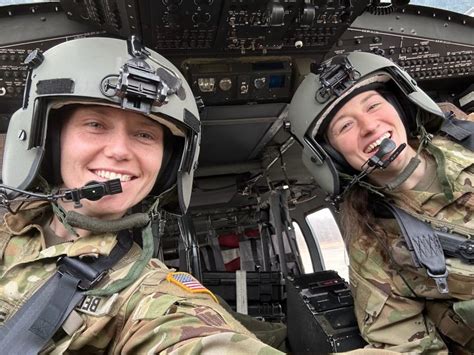
Army Aviation Is Shrinking While Becoming More Advanced
The 10-year contract does not mean the Army is simply trying to create a larger helicopter force. In fact, Army Aviation is undergoing a major transformation.
The service is reducing the total number of aviation positions while investing heavily in new technology, particularly unmanned aircraft systems and advanced future helicopters.
The future battlefield will not look like previous conflicts where helicopters operated independently. Instead, Army Aviation is moving toward a networked environment where manned aircraft work together with drones, sensors, and automated systems.
This transition requires fewer pilots in some roles but demands that remaining aviators possess much higher levels of technical expertise.
The Army is increasingly focused on creating pilots who are not only aircraft operators but also battlefield managers capable of controlling complex networks of sensors and unmanned systems.
The future Army aviator will need to understand electronic warfare, data management, autonomous systems, and advanced mission planning alongside traditional flying skills.
The Arrival Of The MV-75 And The Future Of Army Pilots
One of the biggest changes coming to Army Aviation is the introduction of the Future Long Range Assault Aircraft program.
The selected aircraft, the Bell V-280 Valor, represents a major technological shift from traditional helicopters. The platform combines helicopter-style vertical takeoff capability with the speed and efficiency of a turboprop aircraft.
The aircraft will replace portions of the aging UH-60 Black Hawk fleet and provide greater range, speed, and operational flexibility.
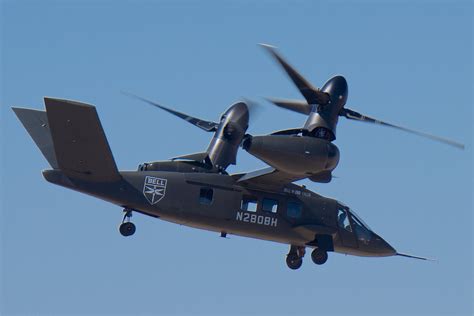
Operating aircraft like the MV-75 requires a new generation of aviators. These pilots will not simply fly from point A to point B. They will manage advanced mission systems and coordinate with unmanned aircraft operating around them.
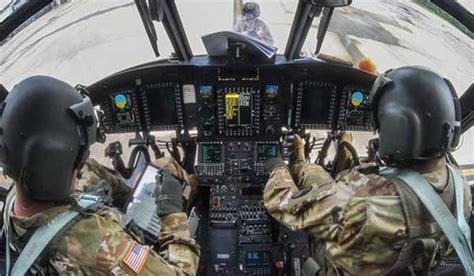
The cockpit of the future Army aircraft may function as a command center where pilots control autonomous platforms, analyze battlefield information, and coordinate precision operations.
This increased complexity makes pilot retention even more important. The Army cannot afford to invest years training aviators on advanced systems only to lose them immediately after they become proficient.
Why The 10-Year Commitment Defines The Future Of Army Aviation
The Army’s 10-year Aviation Warrant Officer contract is ultimately about protecting a long-term investment.
Training a military aviator requires enormous resources, but the true value of a pilot comes after years of experience. The most capable warrant officers are not created overnight. They are developed through repeated missions, advanced qualifications, leadership responsibilities, and thousands of hours of flight experience.
The Army’s challenge is balancing two competing realities: it must remain attractive enough to recruit talented pilots while ensuring those pilots remain in uniform long enough to support national defense priorities.
The introduction of the 10-year ADSO, combined with improved retention incentives and a transformation toward advanced aircraft and unmanned systems, represents a broader shift in how the Army views aviation.
Future Army pilots will be fewer in number but more technologically advanced. They will operate not only as helicopter pilots but as commanders of increasingly connected airborne networks.
The 10-year commitment is therefore not just a contract extension. It is the foundation of a new era of Army Aviation, where experience, technology, and long-term expertise determine battlefield advantage.