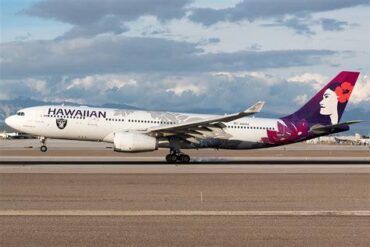
The integration of Hawaiian Airlines into Alaska Airlines has triggered one of the most emotionally charged policy shifts in recent aviation memory: the removal of beard exemptions for Hawaiian pilots. What might appear as a minor grooming adjustment is, in reality, a flashpoint where safety regulations, corporate standardization, and cultural identity collide. As the new policy takes effect, it exposes deeper tensions within the airline industry about what truly defines professionalism—and what risks are worth regulating.
A Unified Policy Reshapes Pilot Identity
Alaska Airlines’ decision to enforce a single Flight Operations Manual (FOM) across both carriers signals a decisive step toward operational unity. Among the most visible changes is the elimination of Hawaiian Airlines’ long-standing exemption that allowed pilots to wear beards—an exception rooted largely in cultural sensitivity and regional identity.
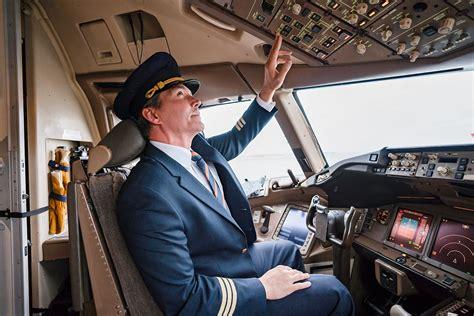
Under the updated rules, beards are no longer authorized in the cockpit, while mustaches remain permissible. The directive, communicated through internal leadership channels, emphasizes compliance with FAA guidance and a standardized appearance across all flight crews.
This move is not merely administrative. For Hawaiian pilots, it represents the loss of a symbolic connection to local customs and personal expression, replaced by a more rigid, system-wide identity aligned with Alaska Airlines’ corporate standards.
The Safety Argument: Oxygen Masks and Risk Perception
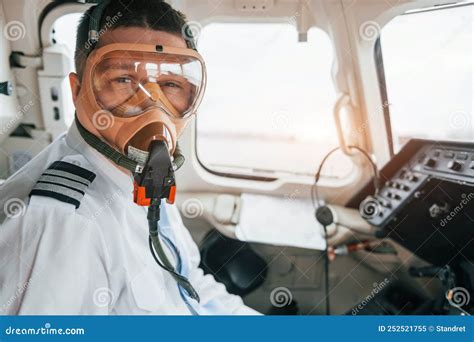
At the core of the beard ban lies a long-standing aviation concern: oxygen mask effectiveness during emergencies. Regulatory guidance from the FAA, dating back to Advisory Circular 120-43 issued in 1987, warns that facial hair can interfere with the airtight seal required for oxygen masks, potentially leading to dangerous leaks.
Alaska Airlines has reinforced this position by referencing both manufacturer recommendations and internal evaluations. The concern is straightforward but critical—during high-altitude depressurization or smoke events, any compromise in oxygen delivery can escalate into a life-threatening situation within seconds.
A real-world reminder came during the Flight AS1282 incident in January 2024, when a Boeing 737 MAX 9 experienced a mid-air door plug failure. Pilots were forced to rely on oxygen masks under intense pressure. Incidents like this sharpen the industry’s focus on worst-case scenario preparedness, where even marginal risks are taken seriously.
Contradictory Evidence and Industry Debate
Despite the regulatory stance, the science behind beard-related safety risks is far from settled. A 2024 study conducted by Embry-Riddle Aeronautical University found that well-groomed beards did not significantly compromise oxygen mask performance under controlled conditions. This finding has fueled a growing debate about whether current policies are based on outdated assumptions rather than modern evidence.
Globally, practices vary widely. Airlines such as Emirates permit neatly trimmed beards, while others, including Qantas, have moved toward stricter bans, citing precautionary principles. Pilot unions, including the Australian Federation of Air Pilots (AFAP), have criticized such policies as overly conservative and not fully aligned with contemporary research.
This divergence highlights a broader industry dilemma: should airlines prioritize uniform adherence to legacy safety guidelines, or adapt policies based on emerging data and evolving technologies?
Cultural Identity vs Corporate Standardization
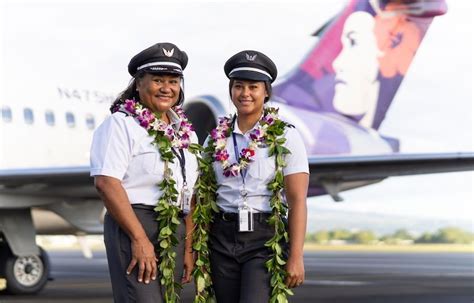
For Hawaiian Airlines, the beard exemption was never purely about grooming—it was intertwined with local culture, identity, and inclusivity. In a region where personal expression, including tattoos and grooming styles, carries deep cultural meaning, the airline historically adopted a more relaxed approach.
The integration with Alaska Airlines introduces a different philosophy—one that prioritizes consistency, brand cohesion, and regulatory alignment. While Alaska has expressed a desire to preserve elements of Hawaiian’s unique culture, the beard ban illustrates the limits of that commitment when weighed against operational uniformity.
This tension is not isolated. As mergers reshape the aviation landscape, airlines increasingly face the challenge of blending distinct corporate identities without diluting their individual legacies. In this case, the compromise leans heavily toward standardization.
Appearance Standards and Passenger Perception
Beyond safety, appearance plays an unspoken but influential role in airline policies. A clean-shaven look has long been associated with professionalism, discipline, and trustworthiness in aviation. While rarely stated as the primary reason, these perceptions subtly reinforce grooming regulations.
Airlines operate in a customer-facing environment where visual consistency contributes to brand identity. For Alaska Airlines, aligning pilot appearance across fleets ensures a cohesive image that passengers can recognize and trust, regardless of which aircraft they board.
However, this raises a critical question: should aesthetic expectations influence operational policies, especially when they intersect with personal and cultural expression? The answer remains contested, and the beard debate has brought it sharply into focus.
A Turning Point for Aviation Grooming Policies
The enforcement of a beard ban during the Alaska–Hawaiian integration may signal a broader shift—or provoke meaningful change. As new research challenges long-held assumptions, and as global airlines adopt increasingly diverse standards, the industry stands at a crossroads.
Will regulators revisit decades-old guidance in light of modern evidence? Or will airlines continue to favor conservative interpretations of safety, even when data suggests flexibility might be possible?
For now, Hawaiian Airlines pilots face an immediate and tangible change. But the implications extend far beyond a razor’s edge. This policy encapsulates a larger narrative about how aviation balances safety, science, culture, and corporate identity in an era of rapid transformation.
The debate is far from over—and in aviation, where precision matters, even something as small as a beard can carry weighty consequences.