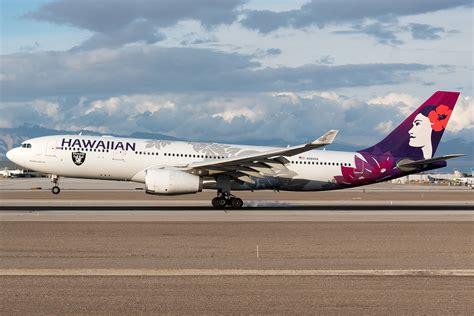
Hawaiian Airlines found itself at the center of a cultural and corporate storm after an internal memo circulated online appeared to suggest that the airline intended to remove Hawaiian language from official policies in the name of inclusivity. The phrasing, amplified across social media, struck a nerve in Hawaii, where language is inseparable from history, identity, and survival. Within hours, critics framed the memo as a symbol of cultural erosion, igniting a debate that extended beyond airline policy and into tensions between corporate consolidation and Indigenous representation.
The backlash was swift because Hawaiian Airlines has long positioned itself as more than a transportation provider. Its branding, onboard announcements, uniforms, and customer experience have been shaped around the concept of Aloha, a value system rooted in respect, connection, and responsibility. Any suggestion that the Hawaiian language might be removed was interpreted as a repudiation of that promise. For many residents, the language is not decorative but foundational, carrying generations of meaning that survived suppression and revival.
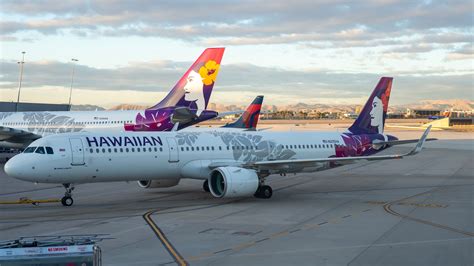
Compounding the reaction was timing. The airline was recently acquired by Alaska Air Group, a move scrutinized by local communities wary of losing a homegrown institution. Against that backdrop, the memo’s wording appeared to confirm fears of critics who saw the merger as another step toward cultural dilution, despite assurances that both brands would retain separate identities.
A Memo That Sparked a Cultural Flashpoint
The controversial line stated that Hawaiian words had been removed “in an effort to align our language to be inclusive for our entire employee population across the entire US.” Stripped of context, the sentence suggested that inclusivity required erasing a Native language officially recognized by the State of Hawaii. Online commentators described the phrasing as tone-deaf, arguing that true inclusivity should embrace Indigenous languages rather than sideline them.
What fueled the outrage was not just the sentence itself, but what it symbolized. Hawaiian Airlines has historically been viewed as a steward of local culture, and the idea that it might abandon that role cut deeply. The memo spread faster than the company could respond, allowing speculation and anger to fill the silence.
Clarification and Damage Control From Leadership
Hawaiian Airlines issued a correction, explaining that the memo had been misworded during a policy rewrite and did not reflect any intention to remove Hawaiian language from the brand or workplace. Debbie Nakanuela-Richards, the airline’s Cultural Relations Director, emphasized that selective policy names had been adjusted for clarity across a growing national workforce, not to diminish cultural expression. She stressed that ʻōlelo Hawaiʻi remains central to the airline’s identity and daily operations.
Nakanuela-Richards noted that isolated statements often fail to capture broader context during organizational change. Her remarks underscored that Hawaiian Airlines’ commitment to connecting people with Aloha remains unchanged, even as it integrates with Alaska Air Group. The Hawaiian language, she reminded observers, is not optional branding but a living, official language with legal and cultural standing.
Preserving Identity Amid Corporate Integration
The incident highlighted the balance Hawaiian Airlines must strike as part of a larger aviation group. Alaska Air Group’s $1.9 billion acquisition in September 2024 created the fifth-largest airline group in the United States, combining domestic reach with long-haul capability. While operational efficiencies and shared loyalty programs are underway, executives have pledged to protect the identities of both airlines.
Hawaiian Airlines continues to invest in cultural preservation through community outreach, partnerships with Hawaiian immersion schools, and Ke Kumu language classes across the group. Flight attendants are offered Hawaiian language certification, and ʻŌlelo Hawaiʻi flights remain a symbol of cultural continuity, showing that commitments extend beyond slogans.
Why Language Matters More Than Policy
For many in Hawaii, the episode served as a reminder of how fragile trust can be when language and identity intersect with corporate messaging. Hawaiian Airlines’ correction helped contain the fallout, but the reaction revealed concerns about who controls cultural narratives in an era of consolidation. The airline’s challenge is to reaffirm its promises and demonstrate through action that inclusivity and Indigenous identity are mutually reinforcing values.
That credibility will define its relationship with Hawaii in the years ahead collectively.