American Airlines has once again secured its position at the forefront of LGBTQ+ advocacy in the travel industry by earning top rankings in the Human Rights Campaign’s Corporate Equality Index (CEI). The airline’s continued leadership in promoting workplace equality sets it apart from a growing number of corporations withdrawing from DEI-related evaluations. At a time when inclusivity is being challenged by both political and financial pressures, American Airlines’ stance signals a resolute commitment to progressive values and employee support.
Holding the Line on Equality Amid Corporate Retreat
American Airlines, headquartered in Fort Worth, Texas, has been a longstanding participant in the HRC’s Corporate Equality Index—a benchmarking tool launched in 2002 to evaluate corporate policies, benefits, and workplace practices related to the LGBTQ+ community. While the broader business landscape sees corporations such as Walmart, Lowe’s, Toyota, and John Deere backing away from HRC affiliation due to shifting political climates and cost-cutting strategies, American Airlines remains firmly committed.
Earlier this year, a proposal from the National Center for Public Policy Research, a shareholder advocacy group, aimed to push American Airlines out of the CEI program, citing concerns over potential negative impacts on financial performance. However, the proposal was decisively rejected. With over 273 million shareholder votes in opposition compared to just 5.9 million in favor, the airline’s stakeholder community has clearly voiced its support for continued LGBTQ+ advocacy.
Understanding the Corporate Equality Index’s Impact
The CEI measures companies across multiple dimensions:
- Workforce protections against discrimination based on sexual orientation and gender identity
- Inclusive benefits for LGBTQ+ employees and their families
- Supportive culture and corporate social responsibility
American Airlines consistently receives perfect scores, reflecting a deeply embedded culture of equality, safety, and respect. These scores are more than symbolic—they influence public perception, employee satisfaction, and brand loyalty.
In a corporate environment where many leaders are recalibrating their DEI strategies under external pressures, American’s consistency signals strategic courage and an unwillingness to compromise its values for short-term economic narratives.
A Corporate Philosophy Built on Inclusion
This unyielding commitment extends beyond metrics and indexes. American Airlines integrates its inclusive philosophy into daily operations, employee engagement, and public outreach. From internal resource groups to executive leadership programs that prioritize diversity, the airline’s policies are more than statements—they are actionable frameworks with measurable outcomes.
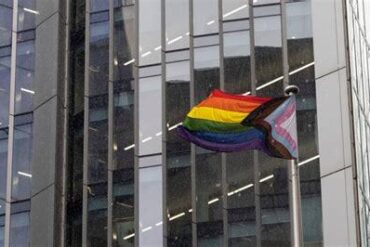
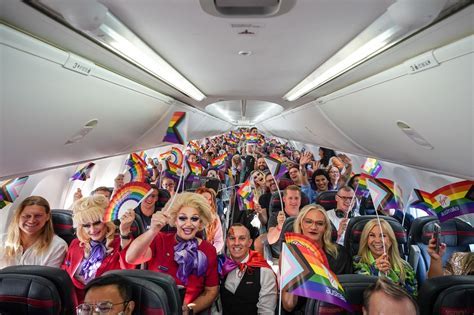
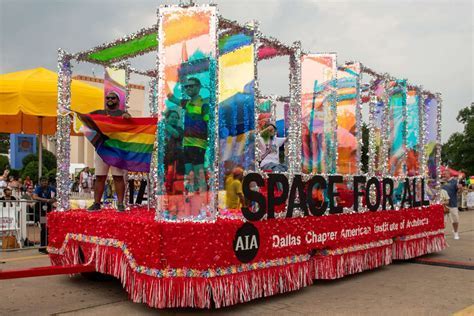
For instance, American Airlines’ participation in the Dallas Pride Festival—alongside tech giants like Amazon—underscores its dedication to visible, tangible support for the LGBTQ+ community. The event sponsorship, which goes beyond marketing, shows that the company understands its influence in amplifying marginalized voices and nurturing inclusive spaces, both on the ground and at 35,000 feet.
Financial Responsibility vs. Ethical Leadership
The tension between corporate ethics and financial responsibility has never been more pronounced. Critics argue that focusing on DEI programs diverts attention and resources from shareholder returns, particularly amid market volatility and competitive pressures. Yet, American Airlines rebuts this notion, insisting that a diverse, inclusive workplace is a driver—not a detractor—of long-term value.
Research consistently supports this approach. Inclusive companies tend to outperform peers in innovation, employee retention, and customer loyalty. American’s board reiterated this in its rejection of the shareholder proposal, stating that participation in the CEI enhances the company’s ability to attract top-tier talent and cultivate customer trust.
Facing the Tide: A National Trend of Withdrawal
While American stands tall, a wave of companies has recently pulled out of the CEI program. Brands like Tractor Supply Co. and Lowe’s cite legal risk and operational focus as reasons to step back from DEI reporting frameworks. This signals a national trend where corporate alignment with human rights organizations is becoming politically charged.
Some critics view this as a retreat—a calculated distancing from marginalized communities at a time when support is most needed. In contrast, American Airlines is setting a different precedent: inclusion is not conditional. It is a core value that defines the airline’s identity, culture, and service ethos.
Enhancing the Customer Journey: A Holistic Strategy
American Airlines’ commitment to inclusion is not confined to internal policies. It extends into the customer experience, reinforcing the message that all passengers are welcome, respected, and safe. The airline offers gender-inclusive booking options, inclusive training for crew members, and visible support for Pride events worldwide.
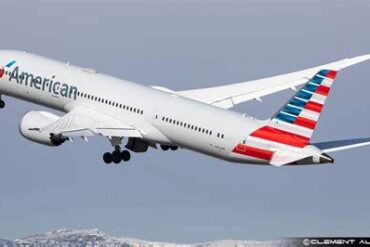
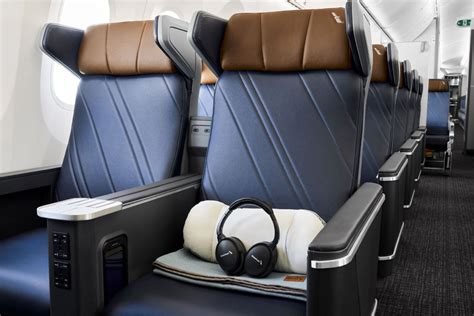
This human-centered approach aligns seamlessly with broader improvements in the airline’s premium travel offerings. Recognizing its past shortfalls in competing with Delta and United, American Airlines is aggressively modernizing its fleet and upgrading its inflight services. The introduction of next-generation Boeing 787-9 Dreamliners, fitted with state-of-the-art Flagship Business and Premium Economy cabins, reflects a dual commitment to comfort and class-leading service.
These luxury enhancements coincide with inclusive policies, creating a brand identity that is both progressive and premium. It sends a clear signal: passengers don’t have to choose between world-class service and inclusive values—they can have both.
Employee Advocacy and Internal Engagement
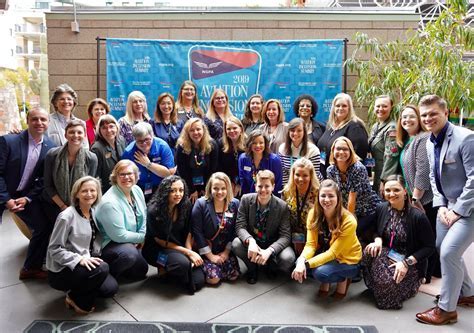
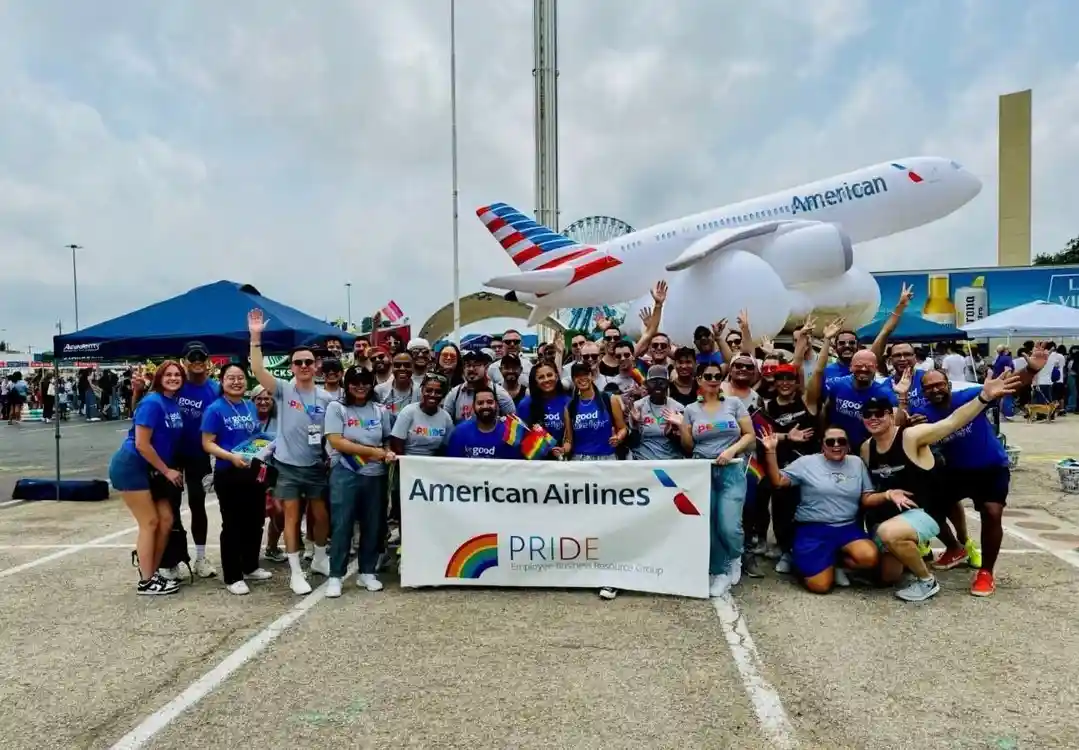
Behind these outward policies lies a strong internal culture. Employee Resource Groups (ERGs), particularly the PRIDE group for LGBTQ+ employees and allies, play a central role in shaping workplace policies and improving visibility. These groups contribute to a sense of belonging, provide networking opportunities, and serve as internal think tanks on how to make the airline more inclusive from within.
Leadership engagement is another critical component. Senior executives regularly participate in inclusion workshops, community roundtables, and policy reviews. This top-down approach ensures that inclusivity is not simply an HR initiative—it’s a strategic pillar embedded in governance.
Why It Matters: The Broader Social Context
American Airlines’ unwavering commitment comes at a time when LGBTQ+ rights are under scrutiny. Legislative proposals across various U.S. states seek to roll back protections, while public discourse around identity and rights becomes increasingly polarized. In this context, corporate actions carry enormous symbolic and material weight.
The travel industry, which touches millions of lives daily, has a unique responsibility to reflect the values of freedom, accessibility, and respect. By maintaining its position in the CEI and pushing forward with inclusive policies, American Airlines becomes more than a carrier—it becomes an advocate, a platform, and a symbol of modern corporate leadership.
A Model for the Industry
American Airlines’ consistent CEI success and unwavering support for LGBTQ+ employees and passengers offers a blueprint for responsible corporate citizenship. It shows that profit and principle can coexist, and that internal culture often drives external success.
As other airlines and companies assess their positions amid shifting political winds, American’s path provides a case study in resilience, purpose, and vision. It redefines what it means to lead—not just in business, but in values.
Looking Forward: Navigating the Skies of Inclusion
Moving forward, American Airlines is expected to deepen its investments in both social advocacy and operational excellence. As the global travel market continues its post-pandemic evolution, the pressure to innovate, compete, and maintain relevance will intensify. Yet if American continues on its current trajectory—refusing to compromise on inclusion while also elevating its product offerings—it will likely cement its place as a true leader in 21st-century aviation.
The airline’s commitment is not reactive—it is foundational. And as long as American Airlines keeps this compass steady, it will remain an industry beacon for both travelers and corporations navigating the complex skies of modern social responsibility.