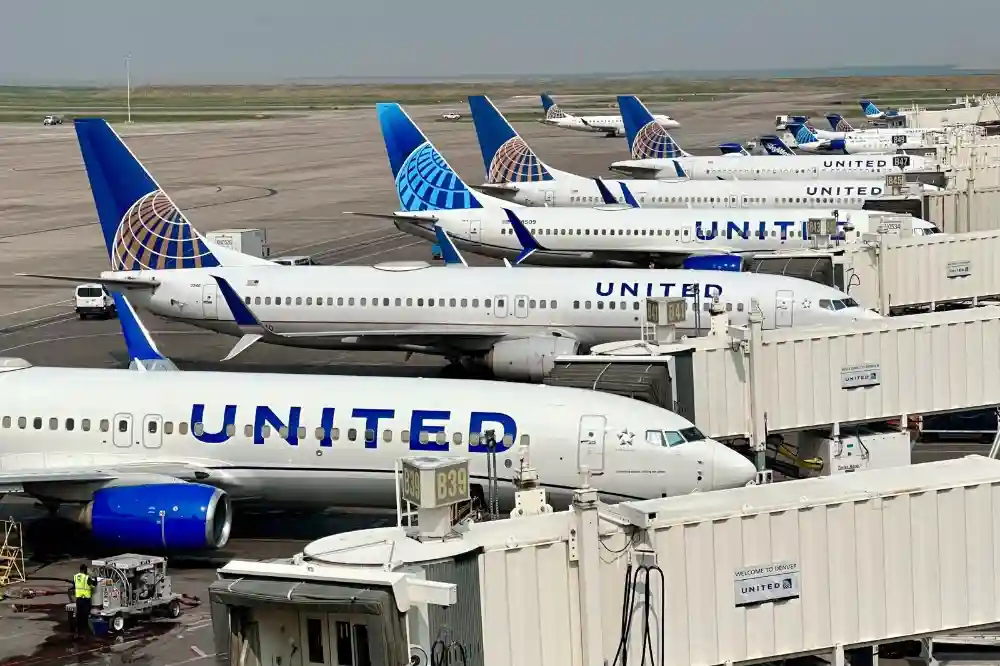
United Airlines operates one of the most extensive hub-and-spoke networks in global aviation. Rather than concentrating flights in a single mega-airport, the airline distributes traffic across multiple strategic hubs across the United States. This approach allows United to connect regional markets with international gateways while maintaining operational flexibility and network resilience.
In 2026, scheduling data from aviation analytics firm Cirium reveals the massive scale of United’s network. The airline is expected to operate 1,896,990 flights throughout the year, offering more than 242 million passenger seats worldwide. Within that system, ten major hubs carry the bulk of departures, forming the backbone of United’s domestic and international connectivity.
The numbers tell a fascinating story about where United concentrates its operations, how aircraft are deployed, and which cities serve as the airline’s primary gateways. Some hubs dominate through sheer frequency, while others rely on larger aircraft and long-haul international traffic to drive capacity.
Chicago O’Hare International Airport Leads United’s Hub Network
At the top of the list sits Chicago O’Hare International Airport (ORD), the busiest United hub by flight departures in 2026. The airline is scheduled to operate 250,306 United-marketed departures from Chicago during the year, offering more than 28.6 million seats.
Chicago has long served as one of the most important strategic pillars of United’s network. Positioned geographically near the center of the United States, the airport functions as a powerful connecting hub linking the East Coast, Midwest, West Coast, and international destinations.
Monthly schedules highlight the scale of activity. In a typical month, more than 18,000 United departures operate from O’Hare. Roughly half of these flights are mainline services operated by United aircraft, while the rest are United Express regional flights.
Regional partners play a critical role in feeding traffic into Chicago’s hub. Airlines such as:
- GoJet Airlines
- Republic Airways
- SkyWest Airlines
operate smaller aircraft that connect mid-sized cities to ORD. These feeder flights ensure that passengers from dozens of smaller markets can connect seamlessly to United’s long-haul network.
Aircraft deployment also reflects the hub’s hybrid role. The Embraer E175, a regional jet well suited for short and medium routes, is the most frequently used aircraft at O’Hare. Meanwhile, United’s modern Airbus A321neo has become the dominant narrowbody aircraft for higher-demand routes.
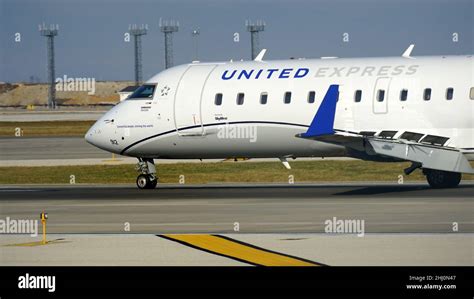
Denver International Airport: A Fast-Growing Mountain Hub
United’s second busiest hub in 2026 is Denver International Airport (DEN), with 194,200 scheduled departures.
Denver’s role in the network is unique. Unlike Chicago, where regional traffic forms a significant share of flights, Denver sees stronger mainline operations. United deploys larger narrowbody aircraft across much of its schedule, allowing the airline to transport more passengers per flight.
Geography explains Denver’s importance. Located in the Rocky Mountain region, DEN functions as a central gateway between the western and eastern United States. Travelers flying between major cities often connect through Denver due to its efficient layout and large capacity.
The Boeing 737-800 is the most common aircraft type operating from the hub. This workhorse narrowbody jet balances passenger capacity with operational efficiency, making it ideal for medium-distance domestic routes.
Houston stands out as the busiest connection from Denver, with up to eleven daily departures linking the two hubs. This route effectively ties together United’s western and southern networks.
Houston Intercontinental: A Gateway to Latin America
The third busiest United hub in 2026 is George Bush Intercontinental Airport (IAH) in Houston, which will handle 176,734 flights and nearly 22 million seats.
Houston plays a vital role as United’s primary gateway to Latin America. Its southern location allows efficient routing to Mexico, Central America, and northern South America. Many international passengers connect through Houston when traveling between these regions and cities across the United States.
Regional operations at IAH are distributed among several partners, including:
- CommuteAir
- Mesa Airlines
- SkyWest Airlines
These carriers extend United’s reach to smaller markets across the southern United States.
Chicago remains Houston’s busiest domestic connection, with around eleven daily flights between the two hubs. This heavy traffic reflects the constant flow of connecting passengers moving between the Midwest and Latin American destinations.
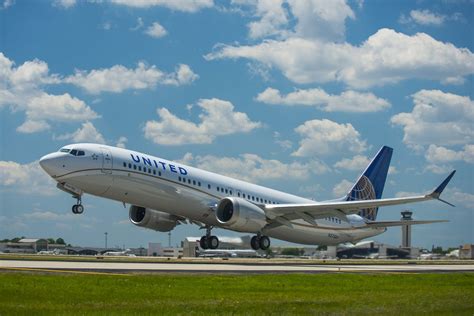
Newark and San Francisco Complete the Top Five
Two major coastal gateways round out the top five busiest hubs: Newark Liberty International Airport (EWR) and San Francisco International Airport (SFO).
Newark ranks fourth, with 141,087 United flights scheduled in 2026. Although the flight total is significantly lower than Houston’s, Newark offers over 20.7 million seats, only slightly behind the Texas hub. This difference highlights Newark’s role as a long-haul international gateway, where larger aircraft are commonly used.
From Newark, United operates extensive services to Europe, the Middle East, and transcontinental U.S. destinations. Widebody aircraft such as the Boeing 777 and 787 Dreamliner frequently depart from the airport, boosting seat capacity.
San Francisco ranks fifth, with 104,442 flights. The California hub is crucial for trans-Pacific operations, connecting North America with Asia and Oceania. Many flights from cities across the western United States funnel passengers into SFO before continuing across the Pacific.
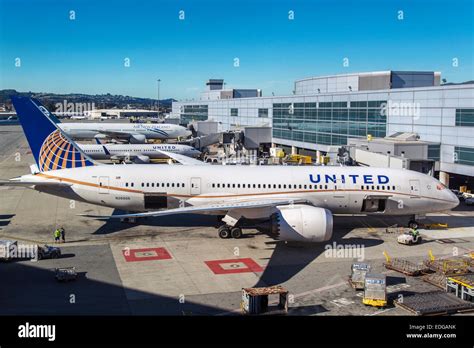
Washington Dulles and Los Angeles: Strategic but Smaller Hubs
Beyond the top five, United maintains several important secondary hubs that support the broader network.
Washington Dulles International Airport (IAD) ranks sixth with 95,037 flights in 2026. Located near the U.S. capital, the hub functions as a major transatlantic gateway, offering strong connectivity to European destinations.
Interestingly, there is a large drop between sixth and seventh place. Los Angeles International Airport (LAX) handles 49,717 flights, roughly half the number at Washington Dulles. Despite the lower flight count, LAX still offers over 8 million seats, demonstrating the use of larger aircraft and long-haul services.
The Los Angeles hub focuses heavily on Pacific routes and premium transcontinental flights, linking the West Coast to destinations such as Tokyo, Sydney, and New York.
The Final Three: Las Vegas, Orlando, and Boston
The last positions in United’s top ten hubs show much smaller operational scales but remain strategically important.
Las Vegas Harry Reid International Airport (LAS) ranks eighth with 15,708 flights. The hub supports strong leisure travel demand, particularly from western U.S. cities.
Close behind is Orlando International Airport (MCO) with 15,448 flights. Interestingly, Orlando actually provides more seat capacity than Las Vegas, thanks to larger aircraft operating on many routes.
Finally, Boston Logan International Airport (BOS) completes the list with 13,912 scheduled departures in 2026. Boston’s hub role has expanded in recent years, particularly for transatlantic services to Europe.
How United’s Multi-Hub Strategy Shapes Its Network
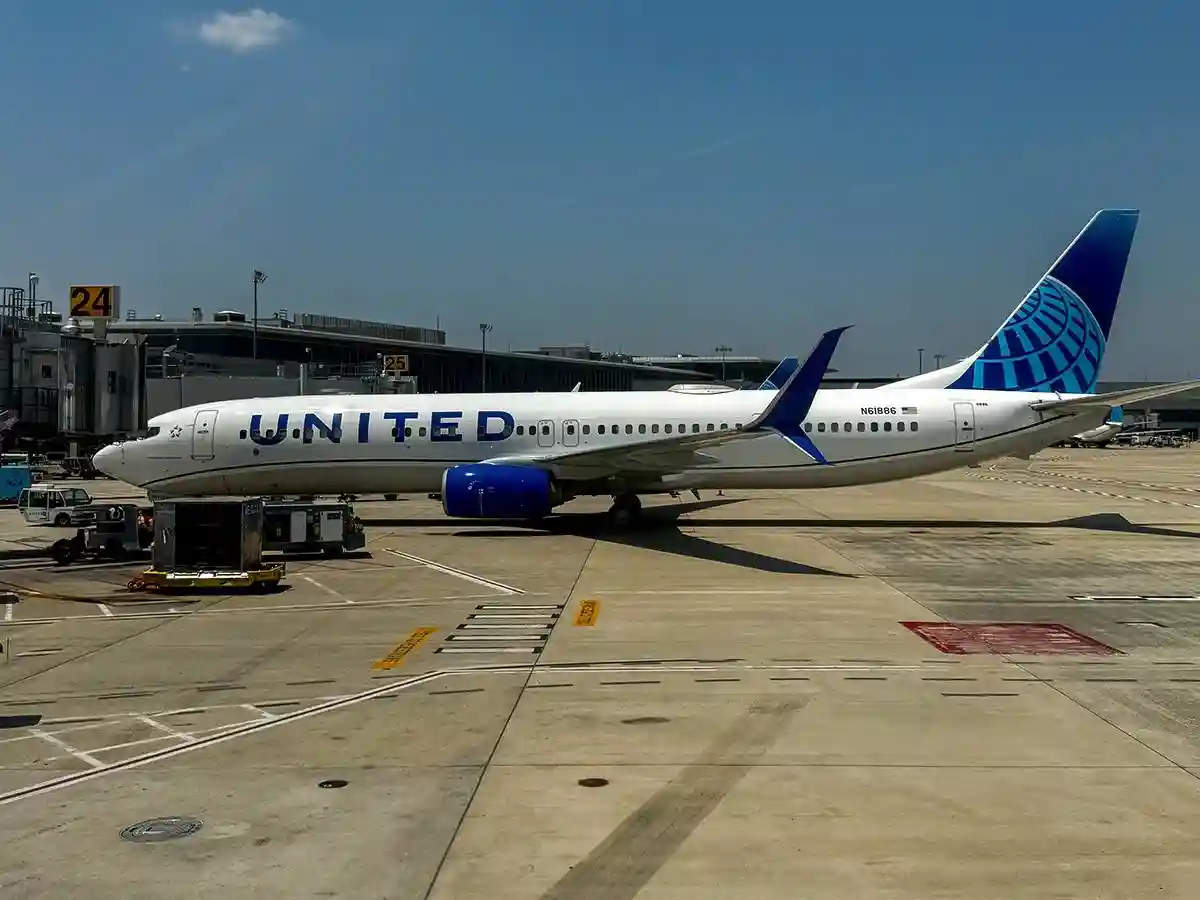
United Airlines’ hub structure reveals a carefully balanced network strategy. Large interior hubs like Chicago, Denver, and Houston handle enormous volumes of domestic connections, while coastal gateways such as Newark, San Francisco, and Los Angeles anchor international routes.
This multi-hub system gives the airline significant advantages. It reduces reliance on any single airport, improves schedule flexibility, and allows passengers from smaller cities to connect to destinations across the globe.
With nearly 1.9 million flights scheduled in 2026, United’s network demonstrates the sheer scale of modern airline logistics. Every hub—from the enormous operation at Chicago O’Hare to the growing presence in Boston—plays a specific role in moving millions of travelers through one of the world’s most complex aviation systems.