The question sounds deceptively simple, but beneath it lies a complex intersection of economics, career structure, and personal priorities. At face value, the answer is clear: yes, the highest-ranking US Air Force pilots typically earn less in direct salary than top-tier commercial airline pilots. Yet that conclusion barely scratches the surface. The real story unfolds in layers—compensation structures, career trajectories, benefits, and the intangible rewards that shape each path.
Understanding this gap requires more than comparing paychecks. It demands a closer look at how both careers are built, rewarded, and sustained over time.
Breaking Down the Salary Gap Between Military and Commercial Pilots
At the uppermost levels of military aviation, compensation is governed by strict federal pay scales. Even the most senior officers—generals who have spent decades rising through the ranks—face a basic pay cap of roughly $19,000 per month, translating to about $228,000 annually. This ceiling applies regardless of responsibility, even for roles with immense strategic importance.
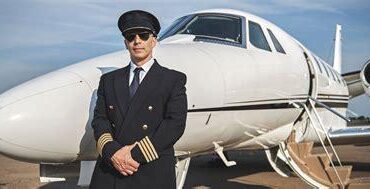
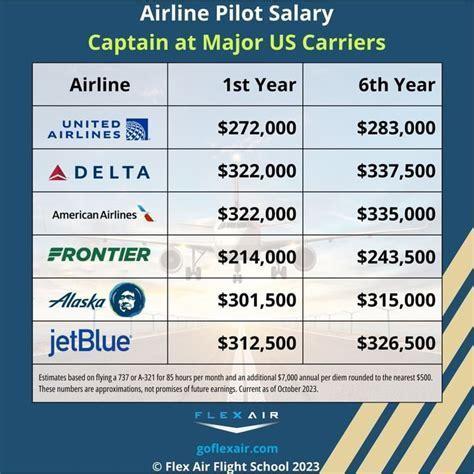
By contrast, commercial aviation operates in a market-driven environment. Senior captains flying widebody aircraft on long-haul international routes routinely earn between $380,000 and $485,000 per year in salary alone. In particularly favorable cases, total compensation—including retirement contributions—can approach or exceed half a million dollars annually.
This stark difference is not accidental. It reflects two entirely different systems: one rooted in public service and budget constraints, the other in private industry competition and global demand for experienced pilots.
How Commercial Airline Pilots Reach the Top Pay Brackets
The journey to becoming a top-earning airline captain is neither quick nor easy. It is defined by a single, dominant factor: seniority. Unlike many professions where performance can rapidly accelerate advancement, airline pilots climb a structured ladder where time served often matters more than anything else.
Early in their careers, pilots accumulate flight hours through instruction or regional airline work. After earning the required certifications and experience—typically around 1,500 flight hours—they enter commercial airlines as first officers. Advancement to captain comes later, and reaching the most lucrative widebody aircraft can take decades.
Once at the top, however, the rewards are substantial. Senior captains gain access to:
- The highest hourly pay rates
- Long-haul international routes
- More predictable and flexible schedules
- Generous per diem allowances
- Significant retirement contributions (often around 18% of salary)
This system creates a powerful incentive structure. Those who stay long enough and strategically navigate fleet assignments can unlock extraordinary earning potential.
The Reality of Pay for Senior US Air Force Pilots
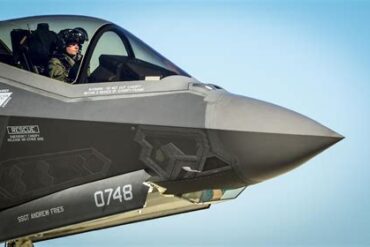
Military aviation follows a fundamentally different model. Pay is not determined by aircraft type or mission complexity, but rather by rank and years of service. A fighter pilot flying advanced jets does not earn a separate salary from peers of the same rank in other roles.
Additional compensation does exist, but it remains modest at the highest levels:
- Aviation incentive pay may reach around $1,000 per month earlier in a career, but decreases over time
- Retention bonuses can reach up to $50,000 annually, though these typically apply only to mid-career officers, not generals
- Housing allowances are tax-free but vary widely depending on location and family status
Even when combining all these elements, the total compensation package for top-ranking officers remains well below commercial airline earnings at the highest tier.
This is not a flaw in the system—it is by design. Military compensation prioritizes equity, stability, and service over market competition.
Why the Gap Exists: Structure vs Market Forces
The salary disparity ultimately comes down to two opposing frameworks.
In the military, compensation is centralized, standardized, and capped. It reflects government budgeting priorities and the principle that service members are compensated fairly but not extravagantly.
In commercial aviation, pay is shaped by market demand, union negotiations, and profitability. Airlines compete aggressively for experienced pilots, especially those qualified to operate large, long-haul aircraft. As demand rises, so does compensation.
This difference creates a predictable outcome: private-sector pilots, particularly at the top, will almost always out-earn their military counterparts in direct salary terms.
The Hidden Value of Military Compensation
Focusing purely on salary, however, tells only part of the story. Military pilots receive a range of benefits that carry substantial long-term value—often overlooked in simple comparisons.
These include:
- Comprehensive healthcare with minimal out-of-pocket costs
- Tax-advantaged housing allowances
- Government-funded training worth hundreds of thousands, if not millions, of dollars
- A defined-benefit pension system, providing guaranteed income after retirement
Unlike most airline retirement plans, which depend on contributions and market performance, the military pension offers predictability and security. After 20 years of service, retirees can receive lifelong income indexed to inflation.
This transforms the compensation equation. While annual earnings may be lower, the lifetime financial picture can be more balanced than it initially appears.
The Long and Selective Path to Becoming a Fighter Pilot
Becoming a senior Air Force pilot is not just a career—it is an elite, highly selective process that filters candidates at every stage.
The journey begins with commissioning as an officer, followed by Undergraduate Pilot Training, an intense program lasting about a year. Performance during this phase determines aircraft assignment, with top candidates earning fighter slots.
From there, pilots undergo specialized training before joining operational squadrons. Advancement is based on demonstrated skill, leadership, and tactical expertise. Over time, they may take on roles such as:
- Flight lead
- Instructor pilot
- Evaluator
- Tactical specialist
Only a small fraction reach the highest ranks, where responsibilities expand far beyond flying to include command, strategy, and organizational leadership.
This path is less about maximizing income and more about achieving excellence in one of the most demanding professions in the world.
The Lifestyle Divide: Control vs Commitment
One of the most profound differences between these careers lies not in pay, but in control over daily life.
Commercial pilots, particularly those with seniority, gain increasing influence over their schedules. They can bid for preferred routes, choose days off, and shape a lifestyle that balances work and personal priorities.
Military pilots operate under a very different reality. Their schedules are dictated by mission requirements, which may include:
- Overseas deployments
- Frequent relocations
- Intensive training cycles
- Administrative and leadership duties
While the airline path offers growing flexibility over time, the military path demands consistent commitment and adaptability.
Purpose, Identity, and the Non-Financial Equation
For many pilots, the decision between military and commercial aviation is not driven by money alone. It is shaped by deeper motivations.
Military aviation offers:
- A strong sense of mission and purpose
- Opportunities to serve at a national level
- Tight-knit camaraderie within squadrons
- Exposure to cutting-edge aircraft and operations
Commercial aviation, on the other hand, provides:
- Financial rewards at the highest levels
- Greater long-term stability in lifestyle
- Predictable career progression
- Opportunities for global travel in a different context
These factors are not easily quantified, yet they play a decisive role in career choices. For some, the identity of being a fighter pilot outweighs any salary gap. For others, the financial and lifestyle advantages of airline flying are more compelling.
Why Many Military Pilots Transition to Airlines
It is no coincidence that many former military pilots eventually move into commercial aviation. The transition offers a powerful combination of leveraging existing skills and accessing higher earnings.
Military training provides a strong foundation in discipline, decision-making, and high-performance flying. With additional certifications, these pilots are well-positioned to enter the airline industry.
The appeal is clear:
- Significant increase in earning potential
- More predictable schedules over time
- Ability to capitalize on years of aviation experience
For many, the military becomes the first chapter of a longer aviation career, with commercial flying as the second act.
The Bottom Line: Salary vs Total Value
So, is it true that top-ranking US Air Force pilots earn less than commercial airline captains? In pure salary terms, absolutely.
But reducing the comparison to a single number misses the broader picture. Military compensation includes benefits, security, and long-term guarantees that reshape its true value. Meanwhile, commercial aviation offers unmatched earning potential at the top, paired with increasing lifestyle flexibility.
The real distinction lies in what each path prioritizes:
- Military aviation emphasizes service, structure, and long-term stability
- Commercial aviation rewards seniority, market demand, and financial performance
Neither path is inherently better—they simply cater to different ambitions.
In the end, the choice between them is less about which pays more and more about what kind of life—and legacy—a pilot wants to build.