The financial trajectory of a United States Air Force pilot is anything but flat. It evolves with rank, responsibility, flight hours, and—perhaps most importantly—how much of your career remains anchored in the cockpit versus behind a desk. By 2026, compensation reflects not just experience, but the Air Force’s ongoing effort to retain highly trained aviators in the face of aggressive commercial airline recruitment.
What makes this topic fascinating is that base salary tells only part of the story. Allowances, bonuses, and specialized pay can transform a seemingly modest military paycheck into a highly competitive total compensation package. For pilots, especially those flying high-demand aircraft, total annual earnings can surge far beyond base figures.
Understanding where the money peaks—and why—requires a close look at the ranks where pilots spend most of their careers, from Captain (O-3) through the upper echelons of General officers (O-7 to O-10).

O-3 Captain — The Operational Core of Air Force Aviation
At the rank of Captain, the Air Force finds its operational backbone. This is where pilots transition from learners to leaders, stepping into roles that demand both precision flying and tactical decision-making under pressure.
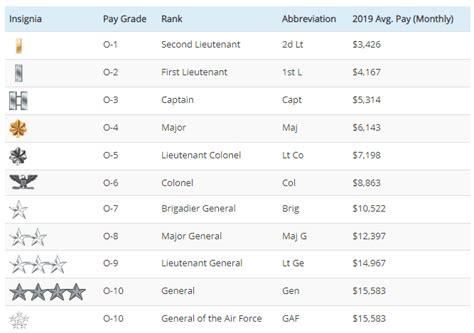
The base pay range in 2026 sits between $66,000 and $93,000 annually, depending on years of service. While that may appear modest compared to civilian aviation salaries, the reality is far more compelling. Once housing allowances (BAH), subsistence (BAS), flight pay, and retention bonuses are factored in, total compensation can climb to $120,000–$150,000 per year.
Captains are not simply flying aircraft—they are leading formations, instructing junior pilots, and executing mission plans that require split-second judgment. In fighter squadrons, they typically fly 200 to 300 hours annually, while mobility pilots may log even more.
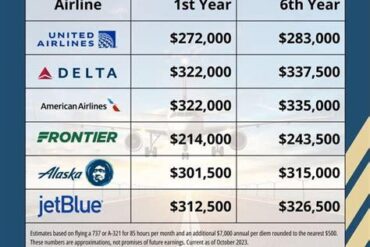
This rank also represents a critical inflection point. After roughly a decade of service, many Captains face a tempting fork in the road: remain in uniform or transition to commercial aviation, where airlines are eager to absorb their skills. The Air Force knows this—and responds with retention bonuses often ranging from $25,000 to $50,000 annually.
There’s a subtle irony here: the pilots doing the most hands-on flying are not the highest paid in base salary, yet they often enjoy one of the best total compensation-to-responsibility ratios in the entire structure.
O-4 Major — The Tactical Expert and Instructor Elite
Promotion to Major marks a shift from execution to refinement and mentorship. These pilots are seasoned, respected, and deeply embedded in shaping the next generation of aviators.
Base pay rises to approximately $75,000 to $100,000 annually, but again, the real number sits higher. With additional compensation, Majors often reach up to $170,000 per year.
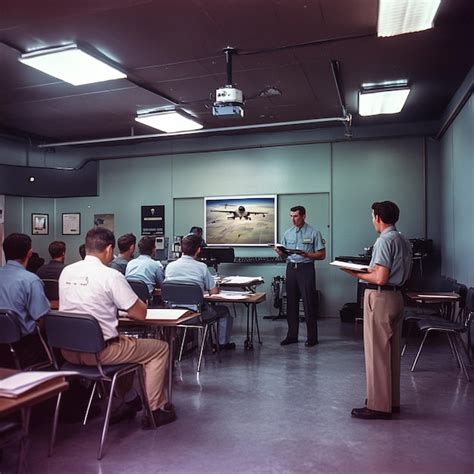
At this stage, pilots are frequently instructor pilots, evaluator pilots, or flight commanders. They still fly—typically 150 to 250 hours annually in fighters—but their primary value lies in their ability to transfer knowledge, enforce standards, and maintain operational excellence.
Majors occupy a unique professional sweet spot. They retain meaningful cockpit time while gaining influence over training pipelines and tactical doctrine. Within military aviation circles, this rank is often regarded as the most professionally fulfilling phase of a pilot’s career.
Yet, this is also where another wave of departures occurs. The increasing administrative burden, combined with lucrative airline offers, pulls many experienced pilots away. The Air Force, in response, leans heavily on incentives and career flexibility to retain them.
O-5 Lieutenant Colonel — Leadership Takes the Controls
Reaching Lieutenant Colonel is a milestone that signals both endurance and excellence. By now, a pilot has typically accumulated around 20 years of service, and their role transforms significantly.
Base pay ranges from $87,000 to $110,000 annually, with total compensation often landing between $120,000 and $170,000.
At this level, leadership becomes dominant. Many serve as squadron commanders, responsible for dozens of aircraft and hundreds of personnel. Flying is no longer the primary duty—but it hasn’t disappeared entirely.
Flight hours vary dramatically:
- Squadron commanders may still log 50 to 150 hours annually
- Staff-focused officers may fly rarely or not at all
When they do fly, it’s often for high-priority missions, evaluations, or maintaining proficiency rather than routine operational sorties.
This rank represents what many consider a full-career endpoint. Retirement here comes with a pension, extensive experience, and strong prospects in both commercial aviation and defense contracting. It’s a point where professional identity shifts—from “pilot who leads” to “leader who happens to be a pilot.”
O-6 Colonel — Strategic Command and Select Elite Status
Only a fraction of officers reach the rank of Colonel, placing them firmly within the top 10–20% of career performers. This is where aviation expertise merges with strategic command responsibility.
Base pay climbs to $104,000 to $124,000 annually, while total compensation ranges from $140,000 to $200,000.
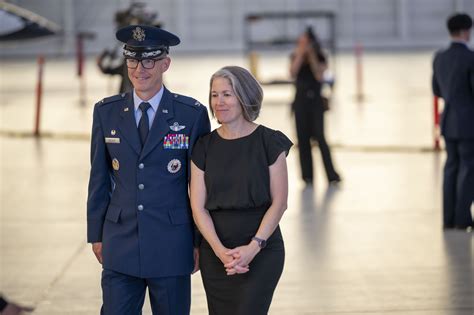
Colonels often serve as Wing Commanders or Group Commanders, overseeing thousands of personnel and dozens of aircraft. Their decisions influence operational readiness, resource allocation, and mission success at a large scale.
Flying becomes more symbolic than routine. While some Colonels maintain around 100 flight hours annually, others fly only enough to remain qualified. These flights often carry strategic or morale significance, rather than tactical necessity.
Interestingly, in certain situations—such as pilot shortages or operational surges—Colonels may return to more active flying roles. However, they are no longer the ones handling the “daily grind” of missions. That responsibility remains with lower ranks.
Despite reduced cockpit time, maintaining flight status is important. It preserves credibility with aircrews and reinforces a connection to the operational realities their subordinates face.
O-7 to O-10 Generals — The Pinnacle of Pay and Power
At the top of the hierarchy sit the General officers, encompassing ranks from Brigadier General (O-7) to General (O-10). These individuals operate at the strategic and geopolitical level, shaping entire theaters of operation.
Base salaries range from $133,000 to $225,000 annually, with total compensation exceeding $300,000 per year in many cases.
Their responsibilities are immense—commanding major organizations, directing global operations, and influencing national defense policy. Flying, while still technically possible, becomes exceedingly rare.
Some Brigadier Generals may log limited hours—perhaps up to 50 annually—primarily in training or transport aircraft. As rank increases, flight activity declines sharply:
- Major Generals may remain qualified but fly minimally
- Lieutenant Generals and Generals almost never fly
When they do take to the skies, it’s often for familiarization, leadership engagement, or public relations purposes, rather than operational necessity.
There have been rare historical exceptions—such as generals flying combat missions during major conflicts—but these are symbolic rather than standard practice.
Despite the reduced flying role, compensation reflects the enormous scope of responsibility, not aviation activity. At this level, the job is less about flying aircraft and more about steering the entire force.
The Real Earnings Picture — Beyond Base Salary
Focusing solely on base pay misses the bigger picture. For Air Force pilots, total compensation is the true benchmark, and it includes several powerful components:
- Basic Allowance for Housing (BAH): Tax-free and location-dependent, often worth $20,000–$40,000+ annually
- Basic Allowance for Subsistence (BAS): Additional tax-free income for food
- Aviation Incentive Pay: Monthly bonuses for maintaining flight status
- Retention Bonuses: Frequently reaching $25,000–$50,000 per year
- Special Duty Pay and Deployment Benefits
These elements combine to create a compensation structure where actual earnings can exceed base pay by 30% to 70% or more.
The Air Force’s investment in each pilot—often exceeding $10 million in training costs—explains why retention incentives are so aggressive. Losing experienced pilots isn’t just a staffing issue; it’s a financial one.
Where Pay Peaks vs. Where Flying Peaks
Here’s where things get interesting. The ranks that earn the most money are not the ones flying the most.
- Captains and Majors: Maximum flight hours, moderate pay
- Lieutenant Colonels and Colonels: Balanced leadership and reduced flying
- Generals: Highest pay, minimal flying
This creates a natural tension in career decisions. Pilots who love flying often find their happiest years in the O-3 to O-4 range, while those who pursue higher ranks trade cockpit time for influence, authority, and compensation.
It’s not a flaw—it’s a deliberate design. The Air Force needs its most experienced aviators to eventually lead, plan, and command, not just fly.
Final Perspective — A Career Defined by Trade-Offs and Rewards
The journey through Air Force pilot ranks is less about chasing salary and more about navigating a series of high-stakes trade-offs. Every promotion brings higher pay, but also a gradual shift away from the cockpit.
By 2026, the compensation structure reflects a careful balance:
- Reward operational expertise early
- Incentivize retention during peak years
- Compensate leadership heavily at senior levels
For those who stay the course, the rewards are substantial—not just financially, but in terms of experience, responsibility, and legacy.
And if there’s one truth that stands out, it’s this: the value of an Air Force pilot isn’t measured solely in dollars or rank insignia, but in the rare combination of skill, discipline, and decision-making under pressure that very few professions in the world can match.