The highest paid US airline pilots in 2026 are not simply the pilots with the most flight hours. They are typically senior Captains operating large widebody aircraft for major carriers such as Delta Air Lines, United Airlines, and American Airlines. At the top of the profession, experienced pilots can earn well above $400,000 per year in base compensation, with total annual earnings becoming significantly higher after retirement contributions, profit sharing, premium pay, and other airline benefits are included.
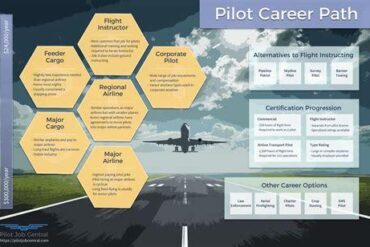
The modern airline pilot career follows a structured progression. A pilot normally begins as a First Officer, builds seniority, upgrades to Captain, and eventually gains access to the largest aircraft and most desirable international routes. While skill and safety performance are essential, airline compensation in the United States is heavily influenced by seniority, collective bargaining agreements, aircraft assignment, and contract pay scales.
The current pilot shortage has strengthened the negotiating position of airline pilots. Major carriers have increased wages, improved benefits, and introduced incentives to attract experienced aviators. The shortage has also created competition between airlines, regional carriers, cargo operators, and even military organizations seeking to retain qualified pilots.
Understanding the Two Main US Airline Pilot Ranks
Modern commercial aircraft are operated by two pilots on the flight deck: the First Officer and the Captain. Since the retirement of the flight engineer position on most modern airliners, these two roles represent the primary career ranks for airline pilots.
A common misconception is that a First Officer is still learning how to fly commercially. In reality, both First Officers and Captains are fully qualified professionals holding the necessary FAA certifications and aircraft type ratings. A First Officer can independently operate the aircraft and perform all required flight duties.
The main difference is authority and experience. The Captain is the pilot in command, meaning they have final responsibility for operational decisions, aircraft acceptance, regulatory compliance, weather-related decisions, and overall flight safety. This additional responsibility is reflected in compensation.
Typically, a Captain earns around 40% to 55% more than a First Officer flying the same aircraft type at the same airline. However, comparisons can become complicated because a senior First Officer flying a large international aircraft may earn more than a Captain operating a smaller regional jet.
How Aircraft Type Determines Airline Pilot Salaries
Aircraft assignment plays a major role in determining a pilot’s earning potential. Larger aircraft usually require more experienced pilots, and those pilots also benefit from higher contract pay rates. The aircraft itself is not the only factor, but it represents the level of seniority required to reach that position.
Regional aircraft generally represent the entry point for many airline pilots. First Officers flying aircraft such as the Bombardier CRJ series or Embraer E170/E175 commonly earn approximately $110,000 to $160,000 annually. Regional Captains can earn around $170,000 to $240,000, depending on airline contracts and experience.
Mainline narrowbody aircraft provide another significant salary increase. Pilots flying aircraft such as the Airbus A220, Boeing 737-700, Airbus A320 family, and Boeing 737 MAX can earn substantially higher salaries.
First Officers operating smaller mainline aircraft may earn between $190,000 and $260,000, while Captains can reach approximately $290,000 to $360,000 annually. Larger narrowbody fleets often provide additional earning potential because of higher hourly rates and increased international flying opportunities.
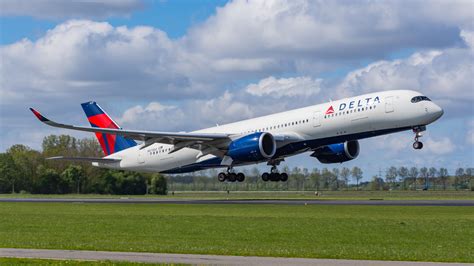
The highest salaries are generally found among widebody pilots. Aircraft such as the Boeing 777, Boeing 787 Dreamliner, Airbus A350, and Airbus A330 are operated by the most senior pilots in the airline system.
A widebody First Officer can typically earn between $290,000 and $400,000, depending on aircraft type and seniority. Meanwhile, experienced widebody Captains can reach approximately $470,000 to $580,000 annually before considering additional compensation.
These positions represent the peak of the traditional airline pilot career path. They usually require decades of experience, thousands of flight hours, and enough seniority to secure premium aircraft assignments.
Average 2026 Salaries at Major US Airlines
The biggest US airlines have some of the highest pilot salaries in the world. Contract improvements following the post-pandemic pilot shortage have significantly increased compensation levels.
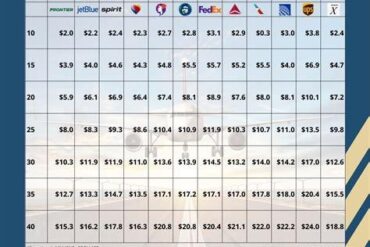
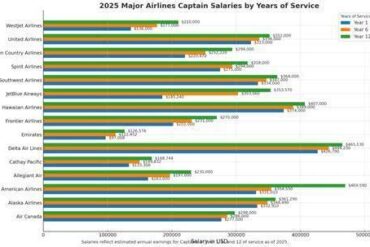
Approximate 2026 salary figures for selected major carriers include:
| Airline | First Officer Year 1 Salary | Captain Year 12 Salary |
|---|---|---|
| Delta Air Lines | $117,735 | $349,540 |
| United Airlines | $119,968 | $356,443 |
| American Airlines | $117,735 | $351,339 |
| Southwest Airlines | $130,540 | $343,541 |
| Alaska Airlines | $101,088 | $323,460 |
| Frontier Airlines | $97,000 | $362,212 |
| FedEx | $82,690 | $300,859 |
| UPS | $65,275 | $387,000 |
These figures represent contractual base pay and do not always show the complete financial picture. Senior pilots flying premium schedules, international routes, overtime assignments, or additional paid flying can significantly exceed these numbers.
Cargo airlines such as UPS and FedEx also offer highly competitive compensation. Although cargo pilots may have different schedules compared with passenger airline crews, experienced Captains can achieve some of the highest earnings in commercial aviation.
Why Seniority Controls Airline Pilot Income
Unlike many careers where promotions depend primarily on individual performance reviews, airline pilot salaries are strongly connected to seniority systems. Collective bargaining agreements establish structured pay scales that reward pilots for years of service.
A new First Officer typically experiences the fastest salary growth during the early years of their career. Annual increases can range from approximately 8% to 15% during the first five years. Later increases become smaller as pilots approach the top of the pay scale.
The largest financial jump usually occurs when a pilot upgrades from First Officer to Captain. This promotion can increase income by 20% to 40% immediately, depending on the airline and aircraft.
After reaching the final pay step, pilots generally receive additional increases through new labor contracts, inflation adjustments, and company-wide compensation improvements.
The peak earning period usually occurs after 25 to 35 years of flying. By this stage, many pilots have reached maximum hourly pay rates, command large aircraft, and hold senior positions with access to the best schedules and international routes.
Benefits That Increase Total Airline Pilot Compensation
Salary alone does not represent the full value of an airline pilot’s compensation package. Major US airlines provide extensive benefits that can add tens of thousands of dollars annually.
Retirement contributions are among the most valuable benefits. Some airlines provide significant employer-funded contributions to 401(k) retirement plans, allowing senior pilots to build substantial retirement savings during their careers.
Profit sharing is another important source of income. When airlines perform strongly, pilots may receive additional payments based on company results. At some carriers, profit-sharing programs have historically added a meaningful percentage to annual earnings.
Other benefits include:
- Per diem payments for meals and travel expenses
- Premium pay for holidays and extra flying
- Health, disability, and life insurance
- Additional vacation time
- Travel privileges for pilots and eligible family members
- Overtime and premium trip payments
For senior Captains at major airlines, these benefits can add $75,000 or more annually to total compensation.
What Happens After Airline Pilots Retire
Most US airline pilots retire at age 65, following current FAA regulations for Part 121 commercial operations. Many pilots who begin their careers in their late 20s or early 30s can spend more than two decades earning near the top of the industry pay scale before retirement.
After retirement, some experienced pilots continue working in aviation. However, most do not return to airline flying because their financial position allows them to choose more flexible opportunities.
Some retired Captains transition into business aviation, flying private jets such as the Gulfstream G650, Gulfstream G700, or Dassault Falcon 8X. Others become simulator instructors, FAA examiners, training Captains, or aviation consultants.
Although these positions usually pay less than commanding a widebody aircraft for a major airline, they provide a better lifestyle with fewer overnight trips and more predictable schedules.
The Future of High-Paid Airline Pilot Careers
The airline industry continues to face a significant pilot shortage, creating strong demand for experienced aviators. This shortage has contributed to improved contracts and higher salaries across the US airline industry.
There has also been discussion about increasing the mandatory retirement age beyond 65 because airlines need more experienced pilots. However, any change would involve regulatory, safety, training, and labor considerations.
For now, the most financially rewarding airline pilot career path remains clear: build flight experience, gain seniority, upgrade to Captain, and eventually operate large widebody aircraft for a major carrier.
The highest paid US airline pilots in 2026 are those who combine decades of experience, seniority, and access to premium aircraft. A widebody Captain at a leading airline can earn among the highest salaries in aviation, proving that commercial airline flying remains one of the most financially rewarding careers available to professional pilots.