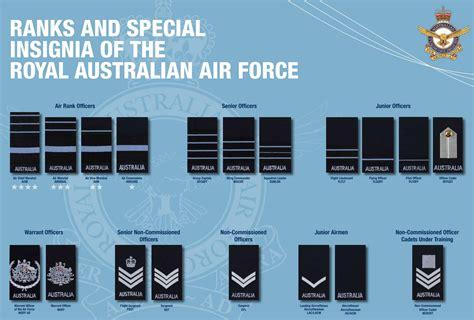
Australia’s military aviation community operates at the forefront of modern air power. From stealth fighters and airborne early warning aircraft to strategic airlifters and aerial refueling platforms, the Royal Australian Air Force (RAAF) depends on highly trained aviators who combine technical expertise with operational judgment and leadership. While many people associate military pilot careers with high-performance aircraft and demanding missions, the highest earnings in the RAAF are not typically found in the cockpit alone. Instead, they are earned by officers who successfully transition from operational flying roles into senior command and strategic leadership positions.
In 2026, the most highly compensated pilot career paths within the RAAF belong to officers who have spent decades building operational credibility, commanding personnel, managing large organizations, and shaping Australia’s future defense capabilities. These leaders oversee some of the nation’s most critical military assets and influence decisions worth billions of dollars.
The progression from pilot trainee to senior Air Force leader is long, competitive, and exceptionally demanding. Most officers who ultimately achieve the highest ranks begin their careers much like any other aviator—through rigorous flight training, operational conversion courses, squadron service, and years of deployment experience. Over time, flying proficiency becomes only one component of advancement. Leadership ability, strategic thinking, personnel management, and defense planning gradually become equally important.
The result is a career structure where the highest salaries are reserved for individuals who can successfully bridge the gap between aviation expertise and executive leadership.
Why Senior RAAF Pilots Earn Some of Australia’s Highest Military Salaries
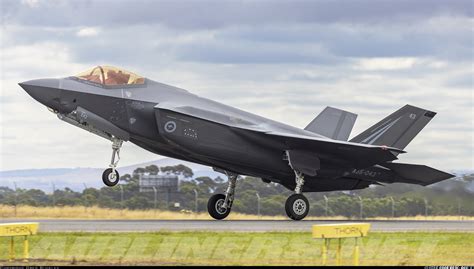
Modern military aviation is one of the most complex professions in government service. Pilots entrusted with advanced aircraft such as the F-35A Lightning II, F/A-18F Super Hornet, E-7A Wedgetail, KC-30A Multi Role Tanker Transport, P-8A Poseidon, and C-17A Globemaster III operate systems that represent billions of dollars in national investment.
As pilots rise through the ranks, they are expected not only to understand these platforms but also to oversee organizations responsible for training, maintenance, readiness, procurement, and operational deployment. Senior officers must balance strategic priorities, budget constraints, geopolitical realities, alliance commitments, and evolving technological threats.
This combination of aviation knowledge and executive responsibility explains why compensation rises significantly at the highest levels of the RAAF hierarchy. The Air Force invests heavily in developing these leaders because operational experience accumulated over decades cannot be easily replaced.
At the same time, military aviation faces increasing competition from commercial airlines. Experienced military pilots possess skills that are highly attractive to civilian carriers throughout Australia, Asia, North America, and the Middle East. Airline recruiters frequently target pilots with thousands of flight hours, creating retention challenges for military organizations worldwide.
Consequently, compensation at senior ranks reflects not only responsibility but also the importance of retaining highly experienced aviation professionals whose expertise remains critical to national defense.
5. Group Captain
Average 2026 Salary: Approximately AUD $230,000
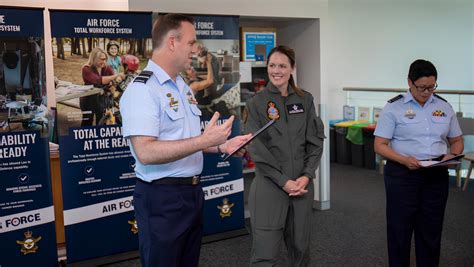
Group Captain represents the first position on this ranking and serves as a significant milestone in a military aviation career. Equivalent to a Colonel in the Australian Army, this rank is often achieved after more than twenty years of operational service, leadership appointments, instructional duties, and command experience.
By the time officers reach Group Captain, many have accumulated between 3,000 and 6,000 flight hours across various aircraft types. Their careers frequently include service as fighter pilots, transport aircraft commanders, surveillance specialists, instructor pilots, and squadron leaders.
The responsibilities associated with this rank extend far beyond flying. Group Captains commonly command major air bases, operational wings, training organizations, and capability development programs. They oversee hundreds or even thousands of personnel while managing substantial budgets and ensuring mission readiness.
A typical Group Captain may be responsible for coordinating pilot training pipelines, supervising maintenance standards, evaluating operational effectiveness, and preparing units for domestic and international missions. Their decisions directly affect the performance of multiple squadrons and support organizations.
Although operational flying opportunities may become less frequent, aviation expertise remains central to their leadership role. Their credibility often stems from years spent in frontline aviation environments where decisions carried immediate operational consequences.
Compensation for Group Captains generally falls between AUD $220,000 and AUD $240,000 annually in base salary. Additional allowances, superannuation contributions, and service-related benefits can further enhance overall remuneration.
This rank often represents the transition point where pilots begin shifting from operational aviation specialists into senior organizational leaders responsible for broader Air Force outcomes.
4. Air Commodore
Average 2026 Salary: Approximately AUD $265,000
Promotion to Air Commodore marks entry into the RAAF’s general officer ranks and represents a major increase in both influence and responsibility. As a one-star officer, an Air Commodore oversees significant portions of the Air Force’s operational capability and strategic planning structure.
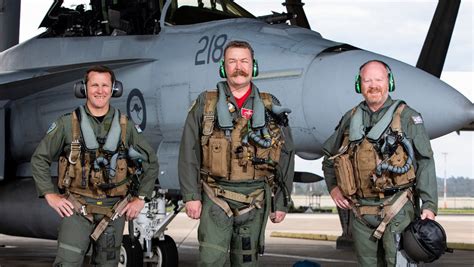
Most officers who achieve this rank possess extensive backgrounds in military aviation. Their careers often include command of operational squadrons, leadership of major wings, participation in multinational exercises, and contributions to advanced capability programs.
Rather than focusing on a single base or unit, Air Commodores influence multiple organizations simultaneously. They may oversee combat air power, mobility operations, surveillance capabilities, training systems, or modernization initiatives that affect the entire Air Force.
An Air Commodore’s daily responsibilities frequently involve interaction with government agencies, defense contractors, allied military organizations, and senior policymakers. Decisions regarding aircraft acquisition, capability enhancement, operational doctrine, and force readiness often pass through their offices.
The complexity of these responsibilities requires a rare combination of operational credibility and executive management ability. Years spent flying military aircraft provide valuable insight into the practical implications of strategic decisions.
Salary estimates for Air Commodores generally range from AUD $245,000 to AUD $282,000 annually. The position effectively transforms a career aviator into a senior defense executive whose influence extends across major segments of Australia’s military aviation enterprise.
3. Air Vice-Marshal
Average 2026 Salary: Approximately AUD $300,000
Air Vice-Marshal is a prestigious two-star rank occupied by some of Australia’s most experienced military aviation leaders. Officers at this level often hold responsibility for national capability portfolios that shape the future direction of Australian air power.
The path to Air Vice-Marshal typically includes decades of operational flying, instructional assignments, command appointments, strategic staff positions, and international military cooperation. Many have flown multiple generations of aircraft while witnessing the evolution of aviation technology and operational doctrine.
At this level, leadership responsibilities become increasingly strategic. Air Vice-Marshals frequently oversee modernization programs, capability development initiatives, procurement strategies, and long-term force planning efforts.
Their decisions influence how future pilots are trained, how aircraft fleets evolve, and how the Air Force responds to emerging threats. They regularly collaborate with government officials, allied nations, defense industries, and national security agencies.
The value of aviation experience becomes particularly evident in these roles. Leaders who have personally operated complex aircraft often bring unique operational perspectives that cannot be replicated through academic study alone.
Annual salaries for Air Vice-Marshals generally range between AUD $300,000 and AUD $330,000. While these officers may no longer participate regularly in operational flying, their aviation knowledge remains a critical factor in strategic decision-making.
The scope of their influence extends far beyond individual squadrons, often affecting defense policies and investments that will shape Australian military aviation for decades.
2. Air Marshal
Average 2026 Salary: Approximately AUD $350,000
Air Marshal represents one of the highest levels of operational military leadership within Australia. Only a small number of officers ever achieve this prestigious three-star rank, making it one of the most exclusive positions in the entire defense establishment.
Most Air Marshals began their careers in operational aviation and spent decades building expertise across multiple leadership levels. Their backgrounds frequently include fighter operations, transport missions, surveillance activities, coalition deployments, and senior command appointments.
At this stage, responsibilities encompass major defense organizations and national military capabilities. Air Marshals contribute directly to force structure planning, defense policy development, procurement decisions, readiness strategies, and alliance cooperation.
Their influence extends beyond the Air Force itself. They regularly engage with senior government officials, foreign military leaders, industry executives, and strategic partners throughout the Indo-Pacific region and beyond.
The scale of responsibility associated with this rank is immense. Decisions made by Air Marshals can influence billions of dollars in defense spending and determine how Australia’s military capabilities evolve in response to changing security environments.
Estimated annual salaries range from AUD $340,000 to AUD $370,000. While these figures are substantial, they reflect the extraordinary scope of leadership required to oversee major components of Australia’s defense architecture.
1. Air Chief Marshal
Average 2026 Salary: Approximately AUD $400,000
Air Chief Marshal stands at the pinnacle of the Royal Australian Air Force hierarchy and represents the highest-paid pilot career path available within Australian military aviation.
This rank is exceptionally rare and typically reserved for the most senior Air Force leadership positions. Officers who achieve this level have usually spent more than thirty years progressing through virtually every stage of military aviation and command.
Their careers commonly begin with pilot training and operational flying assignments before advancing through instructor roles, squadron command, wing leadership, strategic planning appointments, and senior executive responsibilities.
What distinguishes Air Chief Marshals is not merely flying skill but the ability to integrate operational experience with national-level strategic leadership. These officers oversee air power development, advise government leaders, coordinate with allied nations, and guide long-term defense priorities.
Their expertise encompasses every dimension of military aviation, including combat operations, mobility missions, intelligence support, training systems, acquisition programs, technological innovation, and international cooperation.
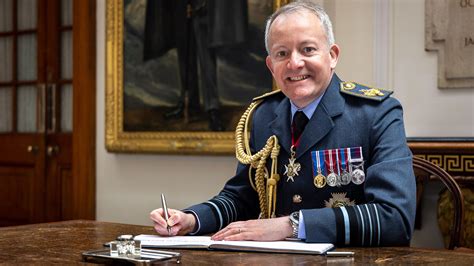
Estimated compensation generally falls between AUD $370,000 and AUD $400,000 annually, with additional benefits potentially increasing total remuneration. Despite these impressive figures, compensation often remains lower than what some senior private-sector executives or international airline captains may earn.
Nevertheless, few careers offer a comparable combination of responsibility, influence, and national significance.
Estimated 2026 Salary Ranking of the Highest-Paid RAAF Pilot Career Paths
| Rank | Estimated 2026 Base Salary (AUD) | Primary Responsibility |
|---|---|---|
| Air Chief Marshal | $370,000 – $400,000 | National air power leadership |
| Air Marshal | $340,000 – $370,000 | Major defense organization leadership |
| Air Vice-Marshal | $300,000 – $330,000 | Strategic capability management |
| Air Commodore | $245,000 – $282,000 | Capability and command oversight |
| Group Captain | $220,000 – $240,000 | Wing, base, and major unit command |
Why Leadership Ultimately Determines the Highest Pilot Salaries
Aviation skill remains essential throughout a military pilot’s career, but the highest salaries in the RAAF are ultimately tied to leadership rather than flight hours alone. The progression from Group Captain to Air Chief Marshal demonstrates how military aviation careers evolve from tactical execution toward strategic influence.
The Air Force places enormous value on leaders who have personally experienced operational flying because those experiences provide practical insights that shape better decisions at higher levels. Pilots who have conducted missions, instructed younger aviators, managed squadrons, and commanded operational units bring perspectives that are invaluable when overseeing national defense capabilities.
At the same time, Australia continues to face competition from commercial aviation employers seeking experienced pilots. Airlines frequently offer attractive compensation packages, predictable schedules, and long-term career stability. As a result, retaining senior aviation talent remains an ongoing challenge.
For those who choose to remain in uniform and successfully navigate the demanding path to senior command, the rewards extend far beyond salary. They gain the opportunity to influence the future of Australian air power, guide the development of future generations of aviators, and shape strategic decisions that affect national security.
The highest-paid pilot ranks in the Royal Australian Air Force therefore represent far more than financial success. They reflect decades of operational excellence, leadership development, strategic vision, and commitment to protecting Australia’s interests in an increasingly complex global security environment.