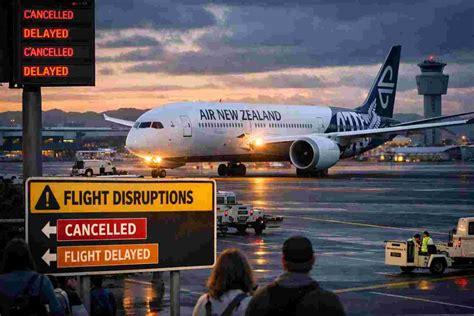
Air New Zealand has spent decades building one of the world’s most geographically distinctive airline networks, connecting its Auckland hub with destinations across the Pacific, North America, Asia and beyond. Yet even a carrier with such a broad international footprint has had to make difficult decisions about which routes remain viable. Over the past decade, Air New Zealand has removed eight long-haul destinations from its network, reflecting changing demand, fleet constraints, operational challenges and the lasting effects of the COVID-19 pandemic.
The changes are particularly significant because Air New Zealand’s long-haul network is closely tied to the geography of New Zealand itself. With Auckland located thousands of miles from many major population centers, nonstop international services can require substantial aircraft utilization and careful fleet planning. A route that looks attractive on a map can therefore become difficult to sustain when aircraft availability, maintenance requirements or passenger demand change.
The airline’s former network also included several unusual services. Air New Zealand once operated flights to London Heathrow Airport (LHR) through Los Angeles, while its history included routes through Hong Kong that helped create an exceptionally distinctive global network. More recently, the carrier has withdrawn from several Asian and North American markets as it dealt with limitations affecting its Boeing 787-9 fleet.
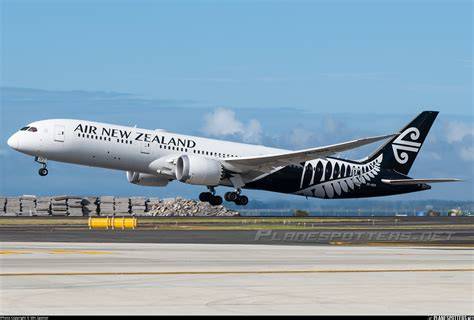
London Heathrow Was Air New Zealand’s Most Famous Discontinued Route
Perhaps the most recognizable discontinued destination is London Heathrow. Air New Zealand operated its final version of the Auckland-London service via Los Angeles, with the airline holding fifth-freedom rights on the Los Angeles-London sector. That allowed passengers traveling between California and the United Kingdom to use Air New Zealand even though neither endpoint was in New Zealand.
The route was particularly unusual because Air New Zealand had historically operated services involving both Los Angeles and Hong Kong, creating an extraordinarily long global network. The airline was once able to offer itineraries that effectively circled the globe, an operation that highlighted just how ambitious its international network had become.
Air New Zealand ultimately ended its London service in 2020, choosing to concentrate its ultra-long-haul strategy around other markets, including New York. The withdrawal also coincided with the enormous disruption caused by the pandemic, which forced airlines worldwide to reconsider long-distance international flying.
Buenos Aires and Osaka Disappeared During the Pandemic Era
Another major loss was Buenos Aires Ezeiza Airport (EZE) in Argentina. Auckland-Buenos Aires was Air New Zealand’s only nonstop destination in South America, making the route strategically important despite its relatively limited scale. The service provided an important connection between New Zealand and South America alongside options offered by LATAM.
The pandemic brought the nonstop Auckland-Buenos Aires operation to an end, and the route has not returned to Air New Zealand’s scheduled network. Its disappearance illustrates how some long-haul routes can be particularly vulnerable when travel restrictions disrupt demand for an extended period.
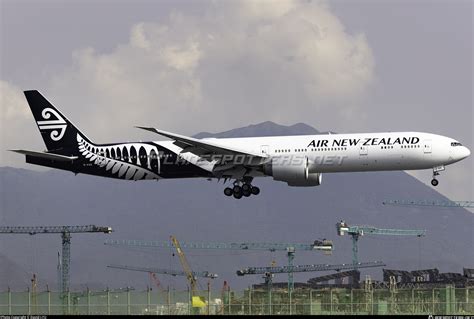
Osaka Kansai International Airport (KIX) also disappeared from the airline’s regular network during this period. The service was already unusual because it had been operated as a seasonal charter rather than as a permanent scheduled route. Air New Zealand had removed it from its fixed schedule in 2013, although seasonal charter operations continued before ultimately ending during the pandemic period.
Seoul Incheon Was Air New Zealand’s Latest Major Withdrawal
One of the more recent changes involved Seoul Incheon International Airport (ICN). Air New Zealand ended its Auckland-Seoul service in 2025 after experiencing continuing supply-chain and maintenance challenges involving its Boeing 787-9 fleet.
The withdrawal demonstrates how fleet reliability can directly affect international network decisions. Long-haul routes require aircraft to remain available for extended periods, and disruptions become particularly difficult when an airline does not have enough spare widebody capacity to protect every route.
With Air New Zealand no longer serving Seoul, the competitive landscape between South Korea and Auckland changed significantly. Korean Air remains the operator providing nonstop connectivity between the two markets.
Chicago and Beijing Are Also No Longer on the Network
Air New Zealand’s former Chicago O’Hare International Airport (ORD) service was another ambitious long-haul operation. The route was intended to complement services to Los Angeles, San Francisco, Houston and Honolulu and provide another nonstop connection between New Zealand and the United States.
However, Air New Zealand ended the Chicago service in 2024 amid aircraft availability problems associated with its 787 fleet. The route remains a notable example of a service that could potentially return if the airline’s fleet and operational circumstances allow it, although no firm restart date has been established.
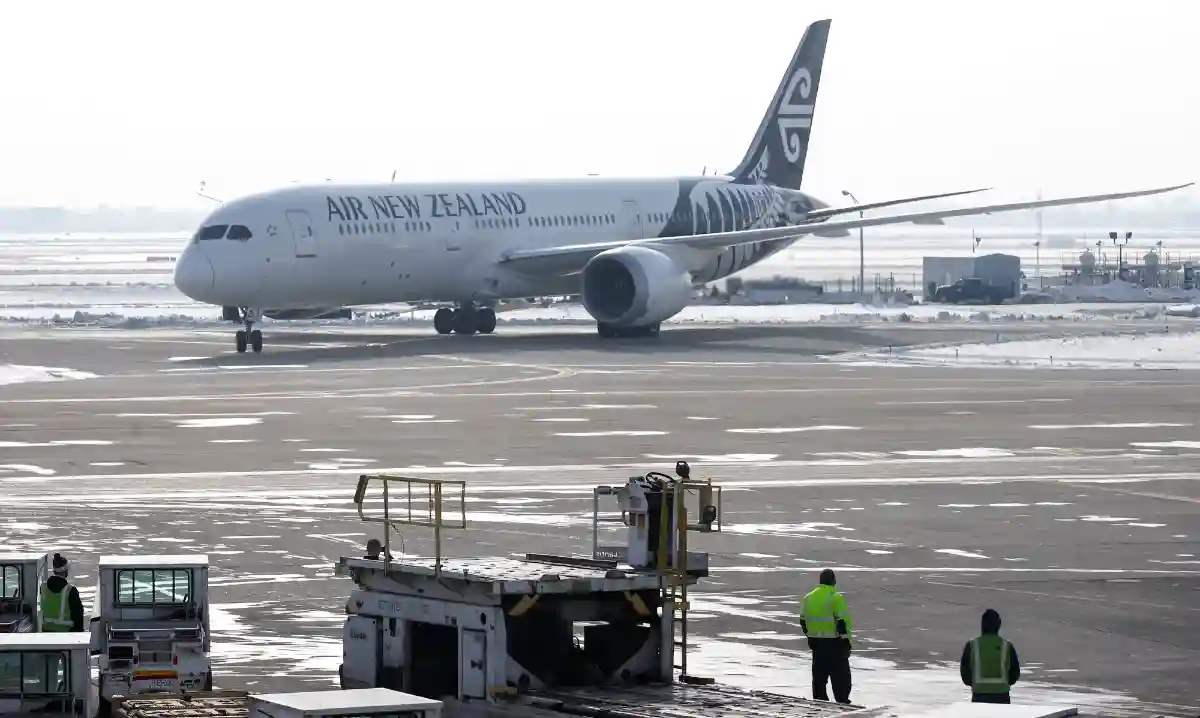
Beijing Capital International Airport (PEK) was another significant former destination. Air New Zealand launched nonstop Auckland-Beijing flights in 2008, coinciding with the airline’s broader effort to expand its presence in China and benefit from increased international travel around the Beijing Olympic Games.
The route is no longer operated by Air New Zealand. Air China now provides nonstop connectivity between Beijing and Auckland, maintaining multiple weekly services between the two cities.
Tokyo Haneda Was Replaced by Narita
Air New Zealand’s experiment with Tokyo Haneda Airport (HND) was considerably shorter-lived. The airline introduced Haneda flights to complement its established service to Tokyo Narita, but the Haneda operation lasted only about a year, from 2017 to 2018.
Rather than maintaining two Tokyo airports, Air New Zealand consolidated its Tokyo operations around Narita International Airport (NRT). The decision illustrates that route cancellations do not always represent a retreat from a country or city. In this case, the airline continued serving Tokyo while simplifying the way it operated the market.
Taken together, these eight discontinued long-haul destinations show how dramatically an airline’s network can evolve. London, Buenos Aires, Osaka, Seoul, Chicago, Beijing and Tokyo Haneda, along with the other discontinued long-haul service identified in the airline’s historical network data, reflect different reasons for network changes, ranging from pandemic disruption to fleet limitations and strategic consolidation.
Air New Zealand continues to maintain a substantial international operation from Auckland, while also developing long-haul opportunities from other New Zealand gateways. Its network will likely continue to change as aircraft availability improves, demand shifts and the airline determines which distant markets can support sustainable year-round service.