The Boeing 747 may be disappearing from passenger terminals, but the pilots who still operate the legendary jumbo jet remain among the highest-paid and most respected professionals in global aviation. In 2026, Boeing 747 pilots occupy a unique corner of the airline industry where experience, seniority, technical skill, and operational endurance combine to produce exceptionally strong compensation packages.
Even though modern twin-engine aircraft such as the Boeing 787 and Airbus A350 have taken over much of long-haul travel, the Boeing 747 continues flying critical international cargo missions and select premium passenger routes. That limited presence has actually increased the aircraft’s exclusivity. Airlines still operating the 747 rely heavily on veteran crews capable of handling one of the most complex commercial aircraft ever built.
For many pilots, flying the Boeing 747 represents the peak of a decades-long career. The salaries attached to those cockpit seats reflect exactly how difficult those positions are to obtain.
The modern Boeing 747 pilot market looks dramatically different from the aircraft’s golden era. During the 1980s and 1990s, airlines across Europe, Asia, Australia, and North America operated enormous 747 fleets carrying millions of passengers every year. Today, the aircraft has become increasingly rare, especially in passenger service. That shrinking fleet has created a smaller but far more specialized labor market where experienced crews are increasingly valuable.
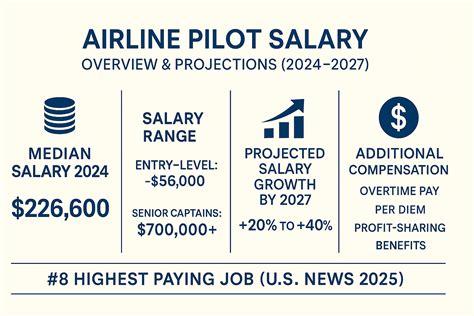
A Boeing 747 pilot in 2026 can realistically earn anywhere from $120,000 to well over $450,000 annually, depending on airline, rank, fleet assignment, overtime, and international allowances. Senior captains at large cargo operators often reach compensation levels that rival executive salaries in other industries.
The reason is simple: very few pilots are qualified to fly the aircraft, and even fewer have enough experience to command it on demanding ultra-long-haul international operations.

Boeing 747 Flying Has Become A Specialized Elite Career
The Boeing 747 is no longer a common aircraft. That rarity has transformed the airplane from a mainstream long-haul workhorse into a highly specialized platform flown mostly by senior crews.
Unlike smaller narrowbody aircraft used for domestic routes, the Boeing 747 typically operates missions involving massive fuel loads, heavy cargo, polar routing, oceanic procedures, augmented crews, and flights lasting more than 14 hours. Operating such an aircraft requires advanced systems knowledge and years of airline experience.
Four-engine aircraft also create additional operational responsibilities. While modern automation reduces cockpit workload in some areas, Boeing 747 pilots still manage significantly more systems than crews operating twin-engine aircraft. International operations frequently involve changing weather systems, dynamic airspace restrictions, ETOPS planning alternatives, and complex coordination across multiple air traffic control regions.
These responsibilities naturally support higher salaries.
According to aviation compensation estimates in 2026, the average salary specifically associated with Boeing 747 pilots in the United States sits near $135,000 annually. However, that figure includes junior first officers, contract pilots, and lower-paying operators. At major cargo airlines and premium international carriers, real earnings are often dramatically higher once overtime, profit sharing, retirement contributions, and international duty pay are included.
In many cases, total annual compensation tells a completely different story from base salary alone.
A senior Boeing 747 captain flying international cargo routes can earn compensation packages approaching or exceeding $400,000 per year, particularly at airlines with aggressive overtime structures and strong union contracts.
Cargo Airlines Now Dominate The Boeing 747 World
In 2026, cargo carriers have effectively become the Boeing 747’s primary home.
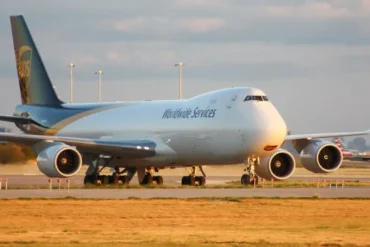
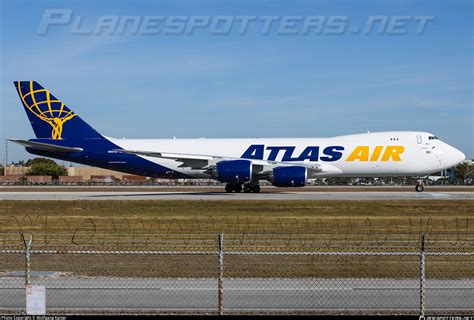
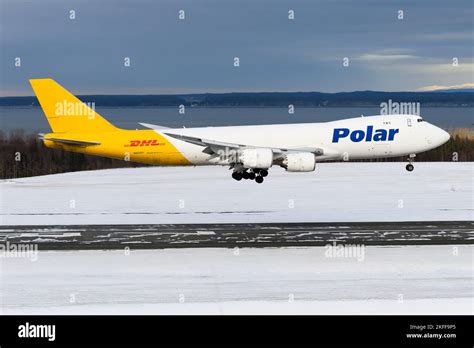
Atlas Air, UPS Airlines, Cargolux, and several international freight operators continue relying heavily on the Boeing 747-400F and Boeing 747-8F because few aircraft can match their payload capability. The nose-loading design alone keeps the aircraft relevant for oversized industrial cargo, aerospace equipment, military logistics, and high-volume e-commerce freight.
The explosion of global online shopping has also strengthened demand for large freighters. Even as passenger airlines retire their 747 fleets, cargo operators continue extracting enormous value from the aircraft’s unmatched carrying capacity.
That demand directly impacts pilot salaries.
Atlas Air pilots remain among the best-paid Boeing 747 crews in North America. Senior captains can surpass hourly rates of $330 per hour, while experienced first officers often exceed $220 per hour depending on contract terms and years of service.
Those hourly figures accumulate rapidly during international operations.
A Boeing 747 cargo rotation may involve multiple continents over several days. Flights linking Anchorage, Seoul, Hong Kong, Frankfurt, Chicago, and Los Angeles are common within a single duty cycle. Pilots receive international per diem payments, hotel allowances, overtime premiums, and additional compensation tied to extended duty periods.
Many senior cargo captains realistically earn between $300,000 and $450,000 annually once all incentives are included.
Cargo aviation does come with tradeoffs. Boeing 747 freight pilots often endure irregular sleep schedules, extended time away from home, and intense jet lag from repeated time-zone crossings. Overnight operations remain common because freight networks are designed around overnight sorting systems and global logistics deadlines.
Still, many pilots prefer cargo flying to passenger operations.
Cargo airlines typically offer fewer customer-service complications, reduced boarding delays, less airport congestion pressure, and more operational flexibility. Veteran long-haul aviators often describe cargo flying as demanding but professionally satisfying because crews can focus almost entirely on aircraft operations rather than passenger logistics.
For pilots seeking maximum income potential, the cargo sector has become the most lucrative corner of Boeing 747 aviation.
Passenger Boeing 747 Pilots Still Hold Prestigious Positions
Although passenger Boeing 747 fleets are shrinking, pilots who continue flying them remain part of aviation’s elite.
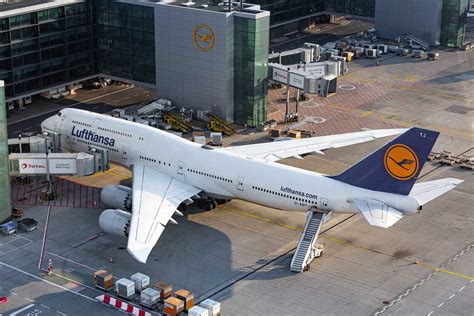
Lufthansa currently operates the world’s largest remaining passenger Boeing 747 fleet, including both the Boeing 747-400 and Boeing 747-8 Intercontinental. Korean Air and Air China also maintain limited passenger operations using the aircraft on select long-haul routes.
These positions are highly competitive and usually reserved for extremely senior pilots.
At Lufthansa, Boeing 747 assignments are often viewed as prestigious career milestones earned after many years within the airline. Long-haul captains operating the aircraft can reportedly earn between $200,000 and $320,000 annually depending on seniority and additional compensation.
Flights from Frankfurt to destinations such as Los Angeles, Tokyo, Johannesburg, and New York frequently require augmented crews because of duty length. Those additional operational requirements increase pay further through long-haul duty premiums and international allowances.
Korean Air’s Boeing 747-8 operations are smaller but equally respected within the industry. Pilots operating these aircraft connect Seoul with major global hubs including Atlanta, Paris, and Los Angeles. Compensation tends to be lower than top-tier US cargo carriers when converted directly into dollars, but these positions still command strong salaries and significant prestige across Asian aviation markets.
Passenger Boeing 747 flying also presents different operational pressures compared to cargo operations.
Crews must coordinate closely with cabin staff, manage passenger-sensitive scheduling, maintain service reliability at congested international hubs, and ensure smooth operations across ultra-long-haul sectors involving multiple crew rotations.
Even in the modern era of advanced flight automation, flying the Boeing 747 remains psychologically and technically demanding.
Seniority Determines Boeing 747 Pilot Earnings More Than Aircraft Type
One of the biggest misconceptions surrounding airline salaries is the belief that aircraft alone determines pilot pay.
In reality, seniority dominates nearly every aspect of airline compensation.
A newly upgraded Boeing 747 first officer may earn significantly less than a veteran Boeing 737 captain at another airline. Meanwhile, a highly senior Boeing 777 captain at a major US carrier may out-earn some Boeing 747 pilots entirely because of contractual differences and years of service.
However, the Boeing 747 still sits near the top of most airline fleet hierarchies.
Airlines rarely assign inexperienced pilots directly to the jumbo jet. Most Boeing 747 crews spent years flying regional aircraft, narrowbody jets, and smaller widebody fleets before finally obtaining a 747 position.
At some airlines, pilots wait more than a decade before receiving a Boeing 747 assignment.
That progression creates major salary differences across ranks:
| Airline | Fleet Role | Typical First Officer Pay | Typical Captain Pay |
|---|---|---|---|
| Atlas Air | Cargo | $120,000–$230,000 | $250,000–$450,000+ |
| UPS Airlines | Cargo | $140,000–$240,000 | $280,000–$400,000+ |
| Cargolux | Cargo | $100,000–$190,000 | $220,000–$350,000 |
| Lufthansa | Passenger | $90,000–$180,000 | $200,000–$320,000 |
| Korean Air | Passenger | $75,000–$120,000 | $150,000–$200,000 |
The post-pandemic pilot shortage continues supporting strong salary growth throughout the industry, especially for experienced long-haul widebody crews. Airlines still face challenges recruiting enough qualified pilots capable of operating international fleets.
That shortage becomes even more pronounced within Boeing 747 operations because the aircraft itself is slowly disappearing. Fewer active aircraft naturally means fewer training programs and fewer available crews.
Ironically, the aircraft’s decline has increased the value of pilots still qualified to fly it.
The Boeing 747’s Retirement Is Reshaping Pilot Demand
The final Boeing 747 rolled off Boeing’s production line in 2023, officially ending one of the most iconic manufacturing programs in aviation history. Yet the aircraft’s operational life remains far from over.
Cargo airlines continue investing heavily in Boeing 747 freighter operations because no direct replacement fully matches the aircraft’s capabilities. The Boeing 747-8F remains uniquely valuable for oversized cargo shipments and long-range freight missions involving extremely high payloads.
Industries including aerospace manufacturing, energy infrastructure, military logistics, and heavy industrial transport still depend heavily on the aircraft.
That dependence creates an unusual pilot market.
As older Boeing 747 captains retire, airlines face increasing pressure to maintain qualified crews for shrinking but still essential fleets. Training new Boeing 747 pilots is expensive, time-consuming, and operationally complex. Many operators prefer upgrading experienced internal pilots rather than recruiting externally.
This dynamic continues supporting elevated salaries throughout 2026 and likely beyond.
The aircraft also carries enormous prestige inside aviation culture. Many pilots still consider flying the Boeing 747 the pinnacle of an airline career. Even younger aviators who expect the fleet to continue shrinking often view a Boeing 747 assignment as a once-in-a-lifetime achievement.
The airplane’s reputation matters because prestige itself affects labor dynamics. Highly respected aircraft often attract experienced crews willing to invest years pursuing qualification.
Becoming A Boeing 747 Pilot Takes Years Of Experience
Reaching the cockpit of a Boeing 747 is not a fast career path.
Most airlines require thousands of flight hours before pilots can transition into widebody fleets. In the United States, many future Boeing 747 pilots begin as flight instructors or regional airline first officers flying smaller jets on domestic routes.
After accumulating experience, pilots may join major airlines or cargo operators before eventually upgrading into long-haul fleets such as the Boeing 777, Boeing 787, Airbus A350, or Boeing 747.
The process often spans well over a decade.
Training itself remains intense. Boeing 747 pilots undergo advanced simulator instruction, systems training, emergency procedure evaluations, line-oriented flight training, and supervised operational flights before becoming fully qualified.
Pilots must understand:
- Long-range fuel management
- Oceanic routing procedures
- Polar navigation operations
- International airspace coordination
- Multi-crew fatigue management
- Four-engine aircraft systems
- Heavy-weight takeoff and landing performance
The aircraft’s enormous size introduces additional complexity during ground operations and adverse weather conditions. Landing a heavily loaded Boeing 747 after a 14-hour intercontinental flight demands exceptional precision and concentration.
Those skills are exactly why airlines continue paying Boeing 747 crews at premium levels.
Unlike many industries where automation reduces expertise requirements, long-haul aviation still depends heavily on judgment developed through years of operational experience.
Why Boeing 747 Pilots Continue Earning Premium Salaries In 2026
Several major factors continue driving Boeing 747 pilot pay upward despite the aircraft’s declining numbers.
The first is scarcity. Very few active Boeing 747 pilots remain worldwide, especially those with significant command experience.
The second is operational difficulty. Ultra-long-haul international flying remains physically demanding and technically challenging even for highly experienced crews.
The third is cargo demand. Global freight markets continue supporting strong utilization for Boeing 747 freighters, especially on intercontinental routes requiring maximum payload capability.
Finally, there is the issue of replacement cost. Airlines cannot easily replace experienced Boeing 747 pilots because the qualification process requires years of airline experience and expensive simulator training.
All these pressures combine to keep compensation remarkably strong.
Even though the Boeing 747’s passenger era is fading, the aircraft still occupies a critical niche within global aviation. Cargo networks, specialized freight operations, and premium long-haul passenger services continue relying on the jumbo jet for missions few other aircraft can perform as effectively.
As a result, Boeing 747 pilots in 2026 remain some of the best-paid and most respected aviators in commercial aviation. Their salaries reflect not only the complexity of the aircraft itself but also the decades of experience required to operate one of the most legendary airplanes ever built.