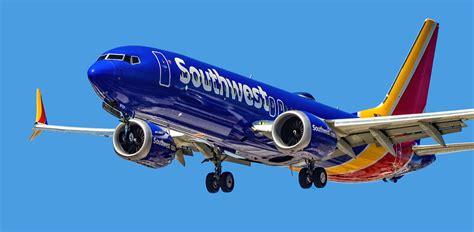
Southwest Airlines has long been recognized as one of the most pilot-friendly airlines in the United States, but the carrier’s latest compensation structure has elevated its most experienced aviators into an entirely different earnings category. In 2026, senior Boeing 737 captains at Southwest Airlines can generate annual compensation exceeding $450,000, a figure traditionally associated with international widebody captains flying long-haul routes across the globe.
What makes this achievement remarkable is that Southwest operates an all-Boeing 737 fleet focused primarily on domestic and short-to-medium-haul flying. Unlike legacy carriers that rely on large international aircraft and premium global routes to support top-tier pilot salaries, Southwest has created a compensation model that rewards efficiency, productivity, and operational intensity. At the center of that model is a unique system known as Trip For Pay (TFP).
Rather than calculating pilot compensation solely through traditional block hours, Southwest uses a distance-based formula that has quietly become one of the airline’s most powerful competitive advantages in attracting and retaining experienced flight crews. Combined with industry-leading retirement contributions, premium flying opportunities, and strong contractual pay rates, the TFP system enables narrowbody captains to earn compensation levels that rival some of the most prestigious pilot positions in commercial aviation.
Southwest’s approach demonstrates that pilot earnings are no longer determined exclusively by aircraft size or route length. Instead, compensation is increasingly influenced by how effectively airlines reward productivity and operational performance.
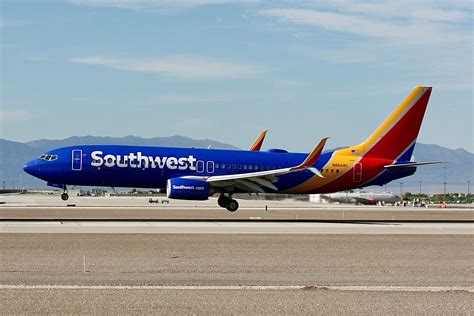
Understanding Southwest Airlines’ Unique Trip For Pay System
Across most of the global airline industry, pilot compensation is based on block hours. This measurement tracks the time between an aircraft leaving the gate and arriving at its destination gate. The system is straightforward, widely understood, and relatively easy to administer. For decades, block-hour compensation has served as the standard benchmark used to compare pilot salaries among airlines.
Southwest Airlines chose a different path.
Instead of relying primarily on elapsed flight time, the airline developed a compensation methodology specifically tailored to its high-frequency operating model. This system, known as Trip For Pay, calculates pilot earnings according to distance flown rather than solely the amount of time spent operating an aircraft.
Under the formula, one TFP unit represents 243 miles. Pilots receive additional compensation credits beyond that threshold, creating a structure that rewards operational productivity differently from conventional airline contracts.
The origins of TFP can be traced back to Southwest’s historical business strategy. The carrier built its reputation through rapid aircraft turnarounds, frequent departures, and intensive daily aircraft utilization. Pilots often complete multiple flight segments during a single duty day, significantly more than many counterparts flying long-haul schedules.
Traditional block-hour compensation does not always fully reflect the complexity and productivity associated with these high-frequency operations. Southwest’s TFP model was designed specifically to address that challenge by ensuring pilots are rewarded for the airline’s unique style of flying.
Why Distance-Based Compensation Creates a Hidden Earnings Advantage
The true power of the Trip For Pay system becomes apparent when compensation is compared against traditional airline contracts.
Industry analysts and pilot compensation experts commonly apply a conversion factor of approximately 1.15 to 1.16 times when translating Southwest’s TFP rates into equivalent block-hour earnings. This adjustment reflects the additional value pilots generate under the distance-based model.
In practical terms, a Southwest pilot often accumulates compensation credits more efficiently than a pilot working under a standard block-hour agreement. The result is an embedded pay premium that is not immediately obvious when simply comparing published hourly rates between airlines.
This hidden advantage explains why Southwest consistently appears near the top of pilot compensation rankings despite operating only narrowbody aircraft.
Many competing airlines advertise hourly rates that appear similar on paper. However, the mechanics of Southwest’s compensation structure frequently allow pilots to convert those rates into higher overall annual earnings.
The distinction is subtle but significant. While traditional contracts reward time, Southwest’s system rewards productivity. For a carrier built around maximizing aircraft utilization and operating numerous daily departures, that difference translates into substantial financial benefits for flight crews.
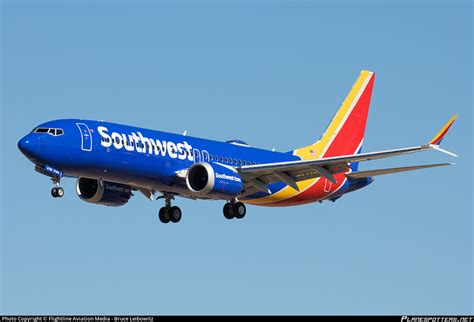
The 2026 Pilot Pay Rates Driving Record Compensation
The pilot contract negotiated through the Southwest Airlines Pilots Association fundamentally reshaped compensation across the airline.
By 2026, experienced first officers and captains are earning some of the highest rates available among Boeing 737 operators worldwide.
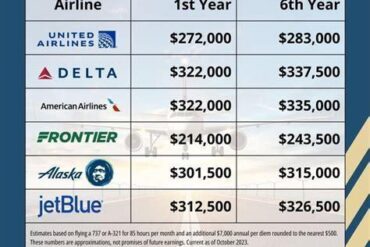
A twelfth-year first officer receives approximately $255 per hour, while senior captains earn roughly $364 per hour before considering additional compensation factors.
Those figures alone place Southwest among the highest-paying employers in commercial aviation. Yet the published hourly rates only represent the foundation of the compensation package.
Additional flying opportunities, premium trip assignments, schedule optimization, and TFP-generated earnings enhancements can dramatically increase annual income.
For highly senior captains who strategically maximize available flying opportunities, total annual compensation can comfortably exceed $450,000.
This milestone reflects broader industry trends as well. Following the post-pandemic recovery, airlines across North America faced persistent pilot shortages and fierce competition for experienced flight crews. Pilot bargaining power strengthened considerably, resulting in some of the most significant compensation improvements seen in decades.
Southwest’s contract emerged as one of the strongest agreements in the industry, positioning the airline as a premier destination for pilots seeking both financial rewards and career stability.
How Premium Flying Opportunities Expand Annual Earnings
Pilot compensation extends far beyond base pay rates.
At Southwest, seniority plays a crucial role in determining access to desirable schedules, premium assignments, and additional flying opportunities. Captains with extensive tenure often enjoy greater flexibility when selecting trips and can strategically build schedules that maximize earning potential.
Premium trips frequently carry enhanced compensation credits. Additional assignments, voluntary flying opportunities, and schedule adjustments can further elevate annual income.
Because Southwest operates one of the nation’s largest domestic route networks, opportunities for extra flying are abundant. Experienced captains who choose to take advantage of those opportunities can significantly increase earnings above contractual minimums.
The combination of premium trips and TFP calculations creates a powerful multiplier effect. Rather than merely adding incremental income, these opportunities compound the advantages already embedded within the distance-based compensation model.
As a result, the gap between nominal hourly rates and actual annual earnings becomes increasingly substantial at the senior end of the pilot pay scale.
Retirement Contributions Add Tens of Thousands of Dollars Annually
One of the most overlooked components of Southwest pilot compensation is the airline’s retirement package.
Many employers rely heavily on matching contributions that require employees to invest their own money before receiving company support. Southwest takes a different approach.
The airline provides an 18% Non-Elective Contribution (NEC) to eligible pilot retirement accounts regardless of whether the pilot contributes personal funds. This benefit ensures that retirement assets continue growing every year independent of individual saving behavior.
Southwest further strengthens its retirement program through an additional 2% market-based cash balance plan, creating a combined employer-funded retirement contribution equal to approximately 20% of eligible earnings.
For senior captains earning at the upper end of the compensation scale, annual employer-funded retirement contributions can exceed $70,000.
That figure represents real wealth accumulation occurring in addition to salary, premium pay, and other contractual earnings.
Over a career spanning several decades, these contributions can compound into retirement portfolios worth several million dollars. The long-term financial impact often exceeds what casual observers appreciate when evaluating pilot compensation packages.
Why Profit Sharing No Longer Drives Pilot Wealth
For many years, Southwest’s profit-sharing program served as one of the airline’s most celebrated employee benefits.
During particularly successful financial periods, profit-sharing payouts could add between 20% and 40% to annual compensation, creating extraordinary bonus opportunities for employees across the company.
The landscape changed significantly entering 2026.
Profit-sharing payouts associated with the 2025 fiscal year amounted to only approximately 1.1%, reflecting a more challenging operating environment and ongoing corporate restructuring initiatives.
While profit sharing remains a valuable feature of Southwest’s compensation philosophy, its importance has diminished relative to contractual pay rates and retirement benefits.
Today, pilot wealth creation is driven primarily by three factors:
- Strong contractual compensation rates
- TFP-generated earnings enhancements
- Industry-leading retirement contributions
This shift has arguably made pilot earnings more predictable and less dependent on annual corporate profitability.
Rather than relying heavily on variable bonuses, Southwest pilots increasingly benefit from compensation mechanisms embedded directly within their contracts.
Southwest’s Boeing 737 Captains Are Challenging Traditional Industry Assumptions
For decades, aviation compensation followed a simple hierarchy. The largest aircraft generally produced the highest salaries.
International captains flying aircraft such as the Boeing 777, Boeing 787, and Airbus A350 traditionally occupied the highest income brackets in commercial aviation. Their responsibilities, long-haul schedules, and complex international operations justified premium compensation.
Southwest’s compensation structure challenges that conventional wisdom.
Senior Boeing 737 captains at the airline can now generate earnings that rival many widebody counterparts despite operating domestic narrowbody aircraft.
When total compensation surpasses $450,000 annually, the difference between a domestic 737 captain and an international widebody captain becomes surprisingly narrow.
This outcome is particularly striking because Southwest achieves these earnings without relying on long-haul international networks or large widebody fleets.
Instead, the airline leverages a compensation system optimized around operational efficiency, distance-based pay calculations, and generous retirement funding.
The result is a modern example of how innovative compensation design can reshape industry economics.
The Real Reason Southwest Pilots Continue to Rank Among Aviation’s Highest Earners
The most important takeaway from Southwest’s compensation model is not merely that some captains earn more than $450,000 annually. The deeper story is how a decades-old pay formula continues to outperform many traditional airline contracts in a dramatically different aviation environment.
Trip For Pay remains uniquely aligned with Southwest’s operating philosophy. It rewards productivity, recognizes intensive short-haul flying, and converts operational efficiency into direct financial benefits for pilots.
When combined with top-tier contractual rates and retirement contributions that exceed $70,000 annually for senior captains, the formula creates one of the most compelling compensation packages in commercial aviation.
In 2026, Southwest Airlines demonstrates that pilot earning potential is no longer defined solely by aircraft size, route length, or international prestige. Through an innovative compensation structure built around distance-based pay and long-term wealth creation, the airline has enabled Boeing 737 captains to compete financially with some of the highest-paid pilots in the world.
That achievement ensures Southwest remains one of the most attractive career destinations for experienced aviators and highlights how compensation innovation can be just as powerful as fleet expansion in shaping the future of airline employment.