Commercial aviation is facing a problem far deeper than a simple hiring shortage. Airlines across the world are discovering that even record salaries, aggressive recruitment campaigns, and enormous signing bonuses cannot instantly rebuild one critical resource: experience. Behind delayed flights, reduced regional schedules, and mounting operational strain lies an uncomfortable reality many carriers underestimated for years. The aviation industry is rapidly losing its most seasoned captains at the exact moment global air travel demand is roaring back to life.
The issue is not merely about the number of pilots available. It is about the disappearance of highly experienced commanders who spent decades building operational judgment in some of the most demanding environments imaginable. These captains are not interchangeable employees. They are mentors, instructors, decision-makers, and stabilizing forces inside cockpits during emergencies, severe weather diversions, equipment failures, and high-pressure international operations. Once they retire, airlines cannot manufacture replacements at the same pace aircraft are delivered from Boeing and Airbus factories.
The crisis has become especially visible since the pandemic recovery accelerated faster than airline planners expected. In 2020, carriers across North America, Europe, Asia, and the Middle East believed recovery would take years. To cut costs, many encouraged senior pilots to retire early through lucrative buyout programs. Thousands accepted. What looked financially necessary during the collapse in travel demand has now become one of the industry’s most expensive long-term mistakes.
Three years later, airlines are confronting an uncomfortable truth: they did not simply lose employees. They lost decades of institutional memory.
The Mandatory Retirement Rule Airlines Cannot Escape
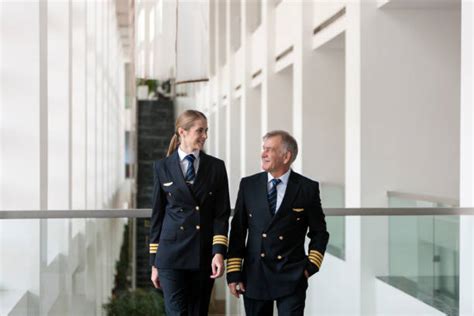
The single biggest factor driving the current captain shortage is the FAA’s mandatory retirement age of 65. Unlike many industries where skilled professionals can continue working well into their later years, commercial airline pilots in the United States must step away from airline operations once they reach that threshold, regardless of health, performance, or willingness to continue flying.
For airlines, this creates an unforgiving demographic cliff. Thousands of captains hired during the massive airline expansion era of the 1980s and early 1990s are now reaching retirement age almost simultaneously. The numbers are staggering because the hiring booms of previous decades created concentrated generations of pilots moving through the system together.
The aviation industry has a long memory. Training pipelines are built around forecasts stretching decades into the future. But even sophisticated workforce planning struggled to anticipate the combined effects of pandemic-era retirements, rapid traffic recovery, and aggressive global fleet expansion occurring all at once.
Carriers hoped higher pay could slow attrition. Instead, they discovered compensation cannot override federal regulations. A captain earning hundreds of thousands of dollars annually still retires at 65. No retention package changes that reality.
The result is an industry losing some of its most experienced professionals at a pace that younger generations simply cannot match quickly enough.
Why Replacing A Captain Takes Far Longer Than Replacing A Pilot
One of the most misunderstood aspects of the aviation shortage is the assumption that airlines only need more pilots. In reality, airlines specifically need more captains, and the distinction matters enormously.
A newly hired First Officer may possess technical competence and required certifications, but commanding a commercial aircraft demands far more than meeting minimum licensing standards. Airline captains develop judgment over decades, not months. They accumulate thousands of flight hours across varying weather conditions, operational disruptions, mechanical abnormalities, and international procedures.
When a senior captain retires from a major airline, the vacancy creates a cascading chain reaction throughout the industry. A regional captain upgrades to a major carrier. A regional First Officer upgrades into the captain seat. A newly trained commercial pilot fills the First Officer position. Every movement upward leaves another gap below.
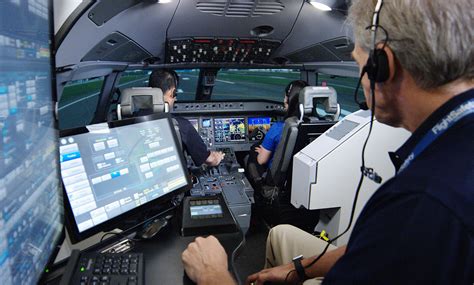
This process cannot be accelerated infinitely because aviation training contains hard operational limits. Pilots require simulator access, instructor supervision, recurrent evaluations, and flight-hour accumulation. Full-flight simulators themselves are expensive and limited resources, often booked around the clock by airlines attempting to qualify crews.
Even airlines investing billions into recruitment campaigns are discovering the same reality: experience has no shortcut.
The Pandemic Decision That Reshaped Airline Staffing
The pilot shortage existed before COVID-19, but the pandemic dramatically accelerated the timeline.
During the collapse in global travel demand, airlines entered survival mode. Aircraft were parked in deserts. International routes vanished almost overnight. Financial losses mounted into billions of dollars within weeks. To reduce payroll obligations, carriers introduced voluntary retirement packages targeting senior employees, including veteran pilots nearing retirement eligibility.
For many captains, the offers were attractive. After decades spent crossing time zones and operating demanding schedules, retirement suddenly looked appealing, especially amid uncertainty surrounding the industry’s future. Thousands accepted buyouts earlier than expected.
At the time, airlines believed they were reducing temporary excess staffing. Instead, they permanently removed a massive segment of their most experienced workforce.
When passenger demand rebounded far faster than forecasts predicted, carriers suddenly found themselves short of cockpit leadership. Aircraft returned to service, new jets arrived from manufacturers, and route networks expanded again. But the captains needed to command those flights were gone.
The industry essentially compressed years of retirements into an extraordinarily short timeframe.
The “Silver Tsunami” Reshaping Global Aviation
Inside aviation circles, many executives now describe the situation as a “silver tsunami.” The phrase reflects the enormous wave of retirements sweeping through airline cockpits worldwide.
This phenomenon is especially severe because commercial aviation historically hired in cycles rather than steadily. Following deregulation and airline expansion in previous decades, carriers recruited massive numbers of pilots within concentrated periods. Those same groups are now retiring together.
The effect resembles a demographic imbalance moving through the workforce like a tidal wave. Instead of gradual turnover, airlines are losing entire generations of operational expertise within a relatively narrow window.
The consequences extend far beyond staffing spreadsheets. Senior captains often serve informal leadership roles inside airlines. They mentor junior pilots, guide crews during irregular operations, and provide institutional continuity during periods of disruption. Their departure removes knowledge that training manuals alone cannot replace.
This loss becomes even more significant during operational stress. Severe weather events, air traffic disruptions, technical anomalies, and long-haul international diversions all place enormous pressure on cockpit decision-making. Experienced captains frequently rely on judgment refined through decades of exposure to similar scenarios.
Airlines are now confronting the reality that they are not only replacing labor. They are replacing wisdom.
Regional Airlines Are Carrying The Heaviest Burden
While major international airlines dominate headlines, regional carriers are absorbing some of the industry’s most severe damage.
Large airlines possess stronger financial resources, global recruitment networks, and more attractive compensation packages. When they need pilots, they often recruit directly from regional airlines. This creates a relentless upward drain of talent.
Regional carriers then face immediate captain shortages of their own. Flights are reduced. Frequencies disappear. Smaller cities lose connectivity. Some routes become economically impossible to sustain because staffing levels cannot support consistent operations.
Passengers often notice the consequences indirectly through canceled flights or shrinking schedules at secondary airports. Behind the scenes, however, the issue frequently traces back to insufficient cockpit staffing.
The imbalance has transformed airline economics. Regional airlines now offer salaries and signing bonuses once considered unimaginable for smaller operators. Yet even dramatic compensation increases cannot fully offset the appeal of moving to a major airline with larger aircraft, international routes, and long-term career stability.
The shortage has effectively turned pilots into one of the world’s most aggressively competed-for professions.
The Global Competition For Experienced Captains
The crisis is no longer confined to the United States. Airlines across Asia, Europe, the Middle East, and Australia are competing for the same limited pool of experienced aviators.
Fast-growing Gulf carriers continue expanding long-haul networks. Asian airlines are rebuilding capacity aggressively after pandemic restrictions eased. European operators face their own retirement waves while contending with rising travel demand. Every region is pulling from the same global talent market.
This international competition has intensified recruitment pressure dramatically. Some airlines offer tax advantages, housing packages, premium schedules, and lucrative expatriate contracts to attract veteran captains. Others accelerate upgrade timelines in hopes of retaining younger pilots before competitors recruit them away.
Yet despite escalating salaries worldwide, the shortage persists because the bottleneck is fundamentally structural. Becoming an airline captain still requires years of flying experience that no financial incentive can instantly compress.
The aviation industry is discovering a painful lesson familiar to many highly specialized professions: training pipelines operate on time, not urgency.
Why Raising The Retirement Age Failed To Solve The Problem
As staffing pressures worsened, industry groups and lawmakers proposed extending the retirement age from 65 to 67. Supporters argued that allowing experienced pilots to remain longer would temporarily stabilize airline operations and relieve pressure on training systems.
The proposal generated intense debate but ultimately stalled.
Opponents pointed to international regulatory complications. Under ICAO rules, many international operations involving pilots older than 65 face restrictions, creating scheduling challenges for global airlines. Safety concerns also remained central to the discussion, particularly regarding medical evaluations and aging-related performance considerations.
Pilot unions themselves were divided. Some supported extensions for experienced captains wishing to continue flying. Others worried delayed retirements would slow career progression for younger pilots waiting for upgrades.
In the end, lawmakers preserved the Age 65 rule.
Even if the age had increased, many analysts argued the measure would only postpone the underlying problem rather than solve it. Airlines would still confront the same demographic imbalance eventually, only slightly later.
The deeper issue remains unchanged: too many experienced captains are exiting faster than new ones can realistically develop.

The Training Pipeline Still Moves At Aviation Speed
Airlines are investing heavily in solutions. Cadet academies are expanding. Scholarship programs are growing. Partnerships between airlines and flight schools are multiplying worldwide.
Yet the journey from student pilot to airline captain remains exceptionally long.
A pilot must first obtain a Private Pilot License, then progress through Commercial Pilot certifications, instrument ratings, multi-engine qualifications, and eventually the Airline Transport Pilot License. Accumulating the required flight hours alone often takes years and enormous financial investment.
Even after joining an airline, pilots continue building experience before becoming eligible for command positions. Seniority systems, aircraft-specific training, simulator evaluations, and operational exposure all shape the upgrade timeline.
The process exists for good reason. Commercial aviation maintains extraordinary safety standards precisely because qualification requirements remain rigorous.
Still, those safeguards create unavoidable delays when airlines attempt to scale staffing quickly.
Flight schools also face limitations of their own. Qualified instructors are frequently hired away by airlines before they can train enough new students. Simulator availability remains constrained. Aircraft shortages affect some academies. Financing costs discourage potential applicants from entering the profession.
The pipeline is expanding, but not nearly fast enough to erase the experience deficit created by mass retirements.
The Future Of Airline Staffing Will Depend On Accessibility
Long-term recovery will likely depend less on emergency hiring campaigns and more on whether aviation becomes financially accessible to a broader generation of future pilots.
Training costs remain one of the industry’s largest barriers. In many countries, aspiring commercial pilots face expenses reaching well into six figures before securing airline employment. For younger candidates without financial support, the pathway can appear prohibitively expensive.
Airlines increasingly recognize this challenge. Many are now launching sponsored cadet programs, tuition partnerships, mentorship initiatives, and direct recruitment pipelines aimed at attracting younger talent earlier.
Some carriers are also restructuring career progression models to accelerate advancement while maintaining safety standards. Others are expanding pathways for military pilots transitioning into civilian aviation.
The industry understands the stakes clearly. Global passenger demand continues climbing, aircraft manufacturers maintain enormous order backlogs, and airlines cannot sustain growth indefinitely without rebuilding cockpit experience levels.
The shortage is therefore not simply a temporary staffing problem. It represents a structural transition period for commercial aviation itself.
Why Experience Has Become Aviation’s Most Valuable Currency
For decades, airlines treated pilot recruitment primarily as a numbers challenge. Today, the industry is learning that experience may be the most difficult resource to replenish.
Aircraft technology continues advancing rapidly. Modern cockpits feature sophisticated automation, predictive systems, and advanced navigation capabilities. Yet aviation still depends profoundly on human judgment, especially when unexpected situations emerge at 35,000 feet.
Veteran captains bring calmness that cannot be replicated by software upgrades or accelerated training alone. They carry operational instincts developed across thousands of departures, weather systems, emergency procedures, and long-haul operations.
That experience is now disappearing faster than airlines anticipated.
The struggle to retain senior captains ultimately reveals a larger truth about modern aviation: even in an industry built on technology, human expertise remains irreplaceable.