Jet engines are among the most powerful machines on Earth, capable of producing immense thrust and operating under extreme conditions. As marvels of engineering, they’re often admired for their sheer power and elegance. But among their complex mechanics, there’s a simple, painted spiral on the engine’s nose cone that plays an outsized role in aviation safety. This unassuming visual feature serves a life-saving function on every commercial jetliner, often unnoticed by passengers but critical for those working just feet away from roaring engines.
The Optical Illusion That Saves Lives
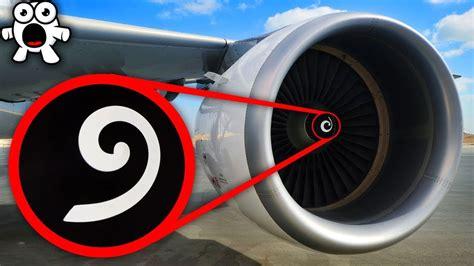
At first glance, the spiral painted on a jet engine’s spinner cone might appear to be a branding element or a decorative flourish. However, it’s anything but. The primary purpose of the spiral is visibility. When a jet engine is powered up, its fan blades can spin at astonishing speeds — anywhere between 2,200 to 4,500 revolutions per minute. At these rates, the blades essentially become invisible to the naked eye.
In high-noise environments like airport tarmacs, ground personnel often wear heavy-duty hearing protection, making it impossible to rely on auditory cues. This creates a dangerous scenario: an engine could be active and virtually undetectable. The spiral, when spinning, transforms into a high-speed blur — an unmistakable visual warning signal that an engine is running.
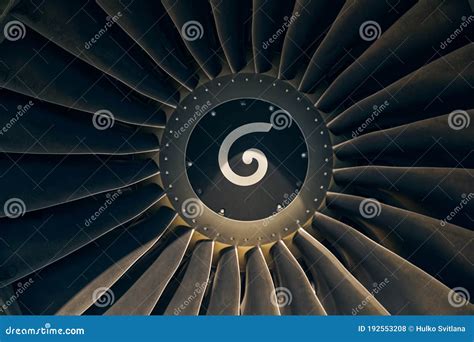
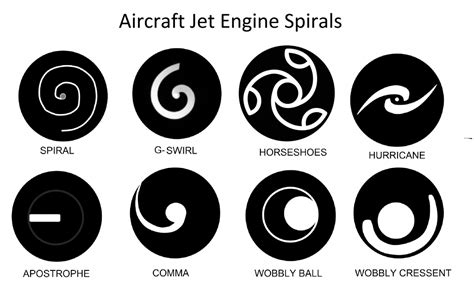
The swirl acts as a kind of “motion flare,” grabbing attention even amidst the chaos of airport operations. Whether it’s a tight horseshoe, a comma-shaped mark, or a full-coiled spiral, its rapid rotation provides a clear, eye-catching indication that the engine is on — a critical cue for safety.
Why Engine Blades Are So Dangerous
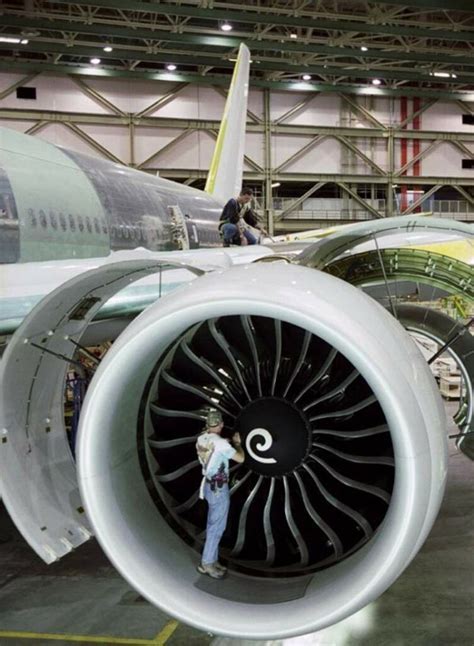
Jet engines aren’t just noisy — they’re also deadly. The front end of the engine, known as the intake, can generate powerful suction. On aircraft like the Boeing 737, the danger zone can extend nine feet when idling and up to fourteen feet at full thrust. If a ground crew member unknowingly walks into that radius, the consequences can be catastrophic.
The fan blades work similarly to a massive vacuum. When powered, they draw in tremendous volumes of air, and anything else nearby — including tools, hats, birds, and tragically, people — can be sucked in. In this context, the spiral’s role becomes crystal clear. It gives personnel one final chance to realize they’re approaching a deadly machine in operation.
These accidents, while rare, have occurred. In the U.S. and globally, tragic incidents involving personnel being ingested into engines during maintenance or refueling have reinforced the need for effective visual deterrents. The spinning spiral acts as a last line of defense, warning those nearby to step back immediately.
A Design Rooted in Human Perception
The spiral design wasn’t chosen arbitrarily. It leverages core principles of human visual perception. The human eye is highly sensitive to motion and contrast — especially when movement is fast and repetitive. A high-contrast spiral creates a strobing visual effect, amplifying motion and making the engine’s operation glaringly obvious.
Design variations exist across different aircraft manufacturers and engine models. Some use thin spirals that taper off, while others opt for thick, bold designs. Even the direction of the spiral — clockwise or counterclockwise — can vary. But all aim to enhance visibility during motion, essentially turning the engine into a warning beacon.
Interestingly, not every aircraft has a spiral. Smaller aircraft or older models may lack one altogether. But in modern aviation, especially in major commercial fleets, it has become a standard safety feature due to its proven effectiveness.
Could Spirals Deter Birds Too?
The primary function of jet engine spirals is to protect humans, but there’s ongoing curiosity — and research — into whether these markings also prevent bird strikes. Birds pose a significant risk to aircraft, particularly during takeoff and landing. Strikes can cause serious damage to engines and other parts of the plane.
Birds are often drawn to the dark, tunnel-like openings of engines, mistaking them for safe havens. However, a rapidly spinning spiral could appear threatening, disorienting, or unnatural to birds in flight. That’s the hypothesis behind a 2006 experiment by All Nippon Airways (ANA). The Japanese carrier painted eye-shaped spirals on its aircraft engines, mimicking the eyes of predators.
The results were impressive. ANA observed a noticeable reduction in bird strikes, translating to an estimated $200,000 in annual savings. That might seem minor for a major airline, but the potential to prevent just one catastrophic accident makes the investment worthwhile. While Boeing has expressed skepticism about the spiral’s effectiveness in this regard, Rolls-Royce and other engine makers support the idea, citing anecdotal and observational data.
Though not conclusive, these results have inspired further research into using visual deterrents for bird management in aviation. It’s another example of how a seemingly simple paint job could have multi-layered benefits — protecting both people and aircraft.
Historical Origins and Design Evolution
The origins of the jet engine spiral trace back to early jet aviation. As jet propulsion became widespread post-World War II, safety concerns around engine intakes grew. Military aircraft, which often operated in extreme environments and on high-alert runways, began incorporating visible intake warnings. These were often geometric shapes — checkered patterns or high-contrast stripes.
As commercial aviation expanded in the 1960s and 1970s, manufacturers and regulators began exploring visual markers that could be easily applied to high-speed rotating components. The spiral emerged as a universally recognizable, dynamic symbol of motion. Over time, its use became more widespread, eventually becoming a staple on most modern commercial jet engines.
Design refinements have followed. Today, aircraft such as the Boeing 777, Airbus A320, and Dreamliner use spirals tailored specifically to the size and rotation speed of their engines. The goal is consistent across models: to create a visible, unmistakable signal that enhances safety on the ground.
Industry Standards and Regulations
Although there isn’t a global mandate from organizations like the FAA (Federal Aviation Administration) or ICAO (International Civil Aviation Organization) requiring engine spirals, their widespread adoption is considered best practice. Airlines, ground support providers, and maintenance crews routinely prioritize spinner spiral visibility as part of standard safety checks.
Training programs for ground crews often include modules on engine awareness, with visual indicators like spirals being emphasized as part of safe operational zones. In some regions, aviation authorities issue guidelines on engine spinner markings, particularly for high-traffic airports and during night operations.
Furthermore, airline maintenance teams regularly repaint or touch up spirals to maintain their high-contrast visibility. Any wear, fading, or paint degradation can reduce the spiral’s effectiveness, which is why it’s considered more than just cosmetic upkeep.
When a Paint Job Becomes a Lifesaving Signal
Despite its simplicity, the jet engine spiral proves that functionality often lies in the smallest details. In an era of sophisticated avionics and AI-assisted control systems, this painted swirl stands as a testament to the power of visual design. It doesn’t require electricity, software, or maintenance beyond occasional repainting — yet it contributes significantly to aviation safety.
The spiral not only warns ground crew but may also deter birds, reduce maintenance incidents, and visually reinforce engine status in busy, high-risk environments. In that sense, it’s not just a design feature — it’s a lifesaving tool. Whether preventing a human tragedy or saving a multi-million-dollar aircraft from damage, its impact is undeniable.
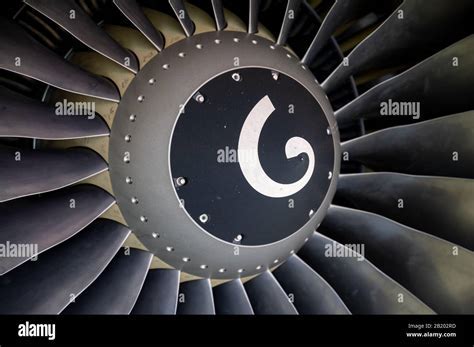
As aircraft technology continues to evolve, perhaps new visual cues, lights, or digital indicators will supplement or even replace painted spirals. But until then, that whirling swirl on the engine cone remains one of aviation’s most elegant solutions to a deadly problem — a design that quite literally saves lives with every spin.