Gliders are often regarded as the purest form of flight, capturing the imagination of aviation enthusiasts and engineers alike. These remarkable aircraft glide silently across the skies, sometimes traveling immense distances and reaching impressive altitudes, all without the roaring engines we typically associate with planes. But not all gliders are entirely engine-free, and understanding their operation reveals an extraordinary fusion of physics, design, and, in some cases, power assistance.
What Exactly Is a Glider?
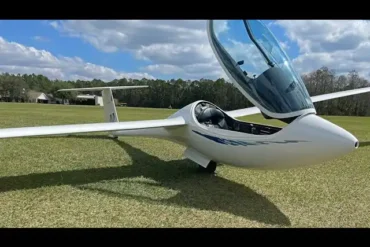
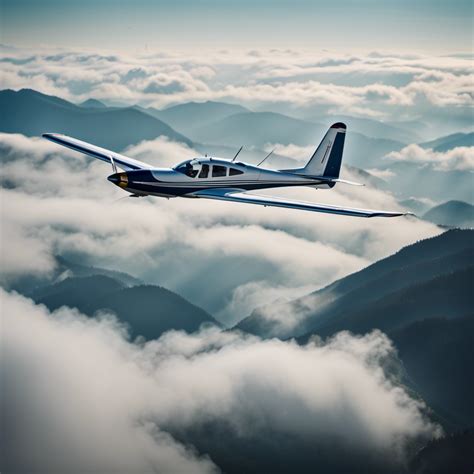
A glider, often referred to as a sailplane, is a fixed-wing aircraft designed to fly without a continuously running engine. Its ability to remain airborne hinges on aerodynamic efficiency, favorable atmospheric conditions, and pilot skill. While some gliders are entirely unpowered, others, known as motor gliders, incorporate engines that provide auxiliary thrust for launching or sustaining flight.
The foundation of a glider’s performance lies in its high aspect ratio wings—long, slender wings designed to minimize induced drag while maximizing lift. This allows the aircraft to convert potential energy from altitude into forward motion with exceptional efficiency.
Do Some Gliders Have Engines?
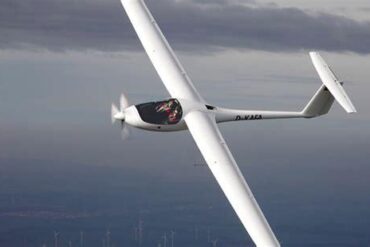
Yes, certain types of gliders are equipped with engines. These specialized variants, called motor gliders, blur the line between conventional aircraft and sailplanes by providing optional power for takeoff, climbing, or sustaining flight.
There are three primary categories of motor gliders:
- Touring Motor Gliders (TMG): These aircraft resemble conventional small planes with front-mounted engines and fixed or retractable propellers. They can cruise under engine power and then switch to gliding by shutting down the engine. Some designs allow the propeller blades to feather, reducing drag during unpowered flight.
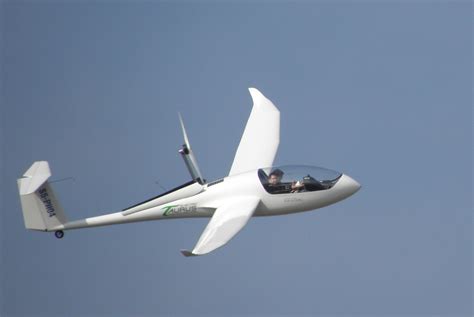
- Self-Launching Motor Gliders: Featuring retractable engines and propellers, these gliders can take off independently without external assistance. Once airborne, the engine is stowed, transforming the aircraft into a pure glider.
- Sustainers: Equipped with small, low-powered engines, sustainers provide just enough thrust to maintain altitude or return to a safe landing zone if lift conditions deteriorate. They cannot self-launch but offer security for longer flights.
While these hybrid designs offer flexibility and convenience, traditional, engine-free sailplanes still dominate the glider community for competitions and recreational soaring.
How Do Engine-Free Gliders Stay Aloft?
The essence of soaring without engines lies in harnessing atmospheric lift—rising currents of air that can keep a glider airborne for hours and propel it across vast distances. Three primary types of lift enable this:
- Thermal Lift: Columns of warm, rising air generated by solar heating of the ground. These thermals often form beneath cumulus clouds, providing visible markers for pilots to locate lift sources.
- Ridge Lift: Created when wind encounters hills or mountains, forcing the air upward along the windward slope. Glider pilots can exploit this lift by flying along ridgelines.
- Wave Lift: Found on the leeward side of mountain ranges, wave lift occurs when air oscillates in a standing wave pattern. This phenomenon has enabled record-breaking glider flights to altitudes exceeding 76,000 feet.
To utilize these lift sources, pilots employ remarkable skill, carefully reading the sky and terrain while maneuvering within invisible columns of rising air.
Launching Gliders Into the Sky
Since most gliders lack engines, they rely on external means to achieve initial altitude. The most common launch methods include:
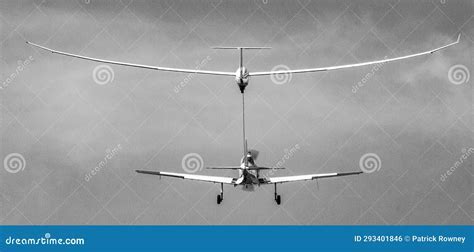
- Aerotow: A powered aircraft tows the glider into the sky using a long, durable rope. Once at the desired altitude, the glider releases the towline and begins its independent flight.
- Winch Launch: A powerful ground-based winch reels in a cable attached to the glider, rapidly pulling it skyward similar to a kite. This method is efficient for quick, repeated launches from airfields.
Once airborne, skilled pilots seek lift to extend their flight, often soaring for hours and covering distances of over 1,000 kilometers on favorable days.
The Engineering Behind Efficient Gliders
Modern sailplanes are engineering marvels, combining advanced materials, meticulous aerodynamics, and lightweight construction to maximize performance. Key design features include:
- Long, Narrow Wings: High aspect ratio wings significantly reduce induced drag, enhancing glide performance.
- Streamlined Fuselages: Smooth, aerodynamic bodies minimize parasitic drag, allowing the glider to slice through the air efficiently.
- Composite Materials: Carbon fiber, fiberglass, and Kevlar components provide strength while keeping weight to a minimum.
- Advanced Control Surfaces: Precise ailerons, rudders, and elevators allow for agile maneuvering and stability during flight.
Some high-performance gliders boast glide ratios exceeding 60:1, meaning they can travel 60 miles horizontally for every mile of altitude lost—a testament to the aircraft’s aerodynamic refinement.
Historical Gliders and Their Legacy
Though modern sailplanes are synonymous with recreational and competitive soaring, gliders have played significant roles in aviation history. One of the most notable examples is the U.S. Army’s use of gliders during World War II.
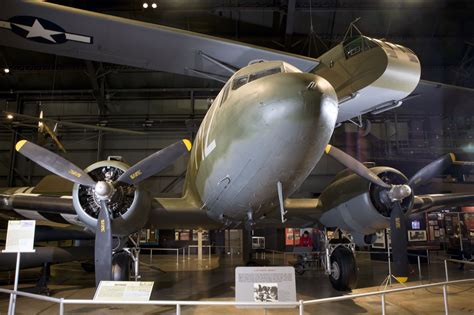
Military gliders, such as the Waco CG-4A, transported troops, equipment, and supplies silently behind enemy lines. These unpowered aircraft were towed by larger planes and released near their targets, offering stealth and surprise advantages. Despite their rudimentary construction compared to today’s sleek sailplanes, these wartime gliders demonstrated the remarkable potential of engine-free aviation.
Motor Gliders: The Best of Both Worlds
For pilots seeking both the purity of soaring and the reassurance of auxiliary power, motor gliders deliver an appealing compromise. Their ability to launch independently, extend flights, and avoid out-landings makes them popular among cross-country enthusiasts and flight schools.
Touring motor gliders, with their side-by-side seating and extended range, also offer a unique blend of leisure flying and efficient travel, appealing to those who value versatility in aviation.
Technological advancements have further refined these aircraft. Some modern motor gliders feature electric propulsion systems, reducing noise and environmental impact while preserving the serenity of soaring.
Conclusion: The Art and Science of Gliding
Whether purely unpowered or equipped with engines, gliders epitomize the harmonious relationship between aviation engineering and atmospheric science. Soaring silently across the sky, they leverage natural forces with elegance and precision.
The enduring popularity of gliders stems from their challenge, beauty, and efficiency. Pilots must read the sky, anticipate shifting conditions, and skillfully maneuver to stay aloft. For those captivated by flight, few experiences rival the tranquility and technical mastery of gliding.
As materials, design techniques, and propulsion systems evolve, the future promises even more capable and accessible gliders. Yet, at their core, these aircraft will always celebrate humanity’s ability to harness the invisible currents that surround us, transforming the air itself into a runway.