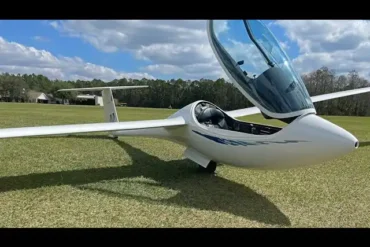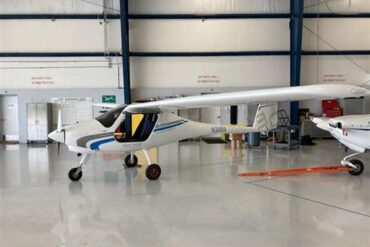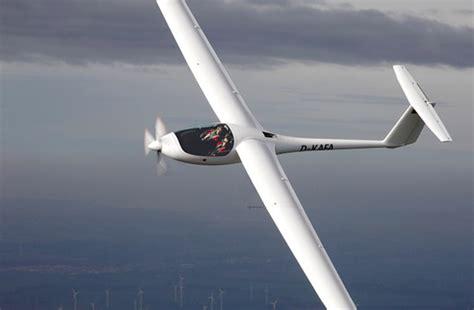
A motor glider is a unique class of aircraft that combines the principles of both powered flight and gliding. This versatile aircraft is capable of flying with or without engine power, making it an ideal choice for both enthusiasts and professionals interested in long-distance soaring, cross-country flights, and even commercial uses. The FAI (Fédération Aéronautique Internationale) defines a motor glider as a fixed-wing aerodyne with a propulsion system capable of sustaining gliding flight without the need for continuous thrust. This fundamental characteristic sets motor gliders apart from regular powered aircraft and traditional gliders, which rely entirely on wind currents for lift.
The Birth of Motor Gliders and Historical Context
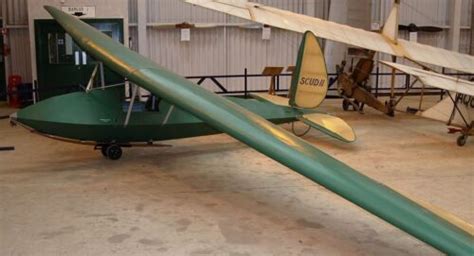
The concept of combining a glider’s efficiency with the power of an engine traces its roots back to 1935, when the Carden-Baynes Auxiliary was introduced. This early prototype laid the groundwork for the modern motor glider by integrating a small engine into a glider’s design, allowing pilots to engage the engine for climbs but still glide once the engine was shut off. Since then, motor gliders have evolved, adapting various technologies and engine configurations to suit a broad range of aviation needs, from recreational flying to specialized applications in aerial photography, surveying, and more.
The key advantage of motor gliders is their ability to maximize fuel efficiency while offering the flexibility of powered flight when required. In the past few decades, the development of more powerful engines, including electric and jet-powered options, has expanded their capabilities and made them even more appealing for various uses.
Types of Motor Gliders
Motor gliders can be broadly categorized into three main types, each with its unique set of features and capabilities. These are:
- Sustainer Motor Gliders
- Self-Launching Motor Gliders
- Touring Motor Gliders
Sustainer Motor Gliders
Sustainer motor gliders are designed to be launched like traditional unpowered gliders. These aircraft are typically equipped with smaller engines, ranging from 18 to 30 horsepower. The engine’s primary purpose is not to sustain powered flight but to assist in gaining altitude during flight. Once the aircraft has reached a sufficient altitude, the engine can be turned off, allowing the motor glider to soar for long distances using only air currents.
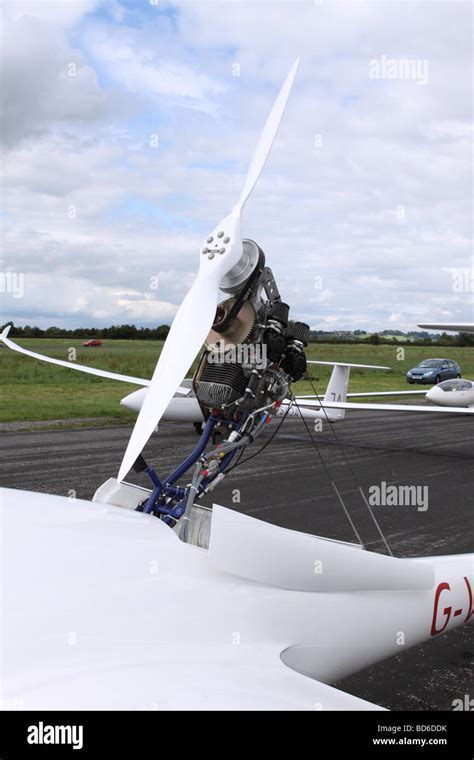
These motor gliders are highly efficient when it comes to gliding performance and are popular among recreational pilots who enjoy cross-country flights without the constant need for engine power. The lightweight design of sustainer gliders further enhances their performance, as they can stay airborne for hours, covering vast distances.
Self-Launching Motor Gliders
Self-launching motor gliders, as the name suggests, are capable of taking off without the need for external assistance. These aircraft are fitted with larger engines, typically in the range of 50 to 60 horsepower, and are equipped with retractable propellers that minimize drag when the engine is not in use. This design is particularly beneficial for pilots who require both powered flight and soaring abilities.
The self-launching capability provides an increased level of freedom compared to sustainer gliders, as pilots are not dependent on external tow planes or launch methods. These motor gliders are ideal for individuals who want the flexibility to take off from a variety of locations and enjoy long soaring flights once the engine is powered off. They are also often used for aircraft training, as the engine provides a reliable means of climbing to optimal altitudes quickly.
Touring Motor Gliders
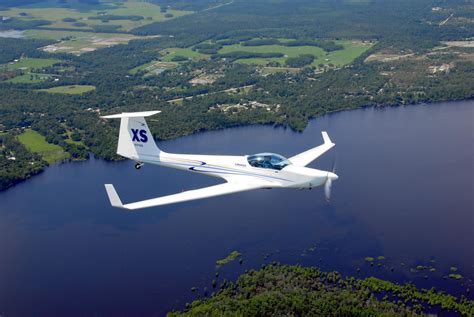
Touring motor gliders are designed to be used for long-distance travel, offering both the benefits of powered flight and moderate gliding capabilities. The engines typically range from 80 to 100 horsepower, providing a balance between engine power and soaring efficiency. These motor gliders are used for more serious cross-country flights, offering a better combination of performance, comfort, and speed than typical light airplanes.
Touring motor gliders are equipped with larger cabins, more advanced avionics, and additional features that make them suitable for longer flights. Some models also offer pressurized cabins for higher-altitude flights, making them ideal for those looking to undertake ambitious long-distance journeys. The versatility of these aircraft allows pilots to enjoy powered flight when necessary, while still experiencing the quiet thrill of soaring when conditions are favorable.
Engine Configurations in Motor Gliders
Motor gliders come with a range of engine configurations that contribute significantly to their performance. While the internal combustion engine has been the standard for many years, newer technologies such as electric motors and jet engines are gaining popularity. Each type of engine offers its own set of advantages, which can be pivotal depending on the intended use of the motor glider.
Internal Combustion Engines
The traditional engine configuration for motor gliders is the internal combustion engine (ICE), often powered by gasoline or aviation fuel. These engines provide reliable thrust and are typically used in self-launching and touring motor gliders. The advantage of an ICE is its ability to provide significant thrust on demand, allowing motor gliders to climb to cruising altitude or travel at higher speeds during powered flight.
Electric Engines
Electric engines in motor gliders have become increasingly popular in recent years, especially as green aviation technologies gain traction. These engines are typically quieter and more environmentally friendly than traditional combustion engines, with the added benefit of reduced maintenance. Electric-powered motor gliders are well-suited for shorter flights, training purposes, and recreational soaring. As battery technology improves, we can expect the range and capabilities of electric motor gliders to expand, making them more competitive with traditional models.
Jet Engines
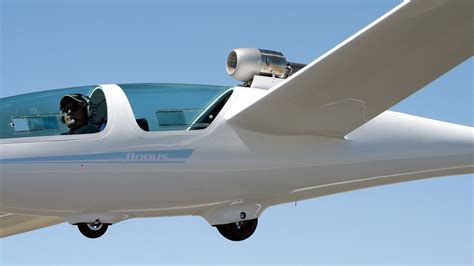
Jet-powered motor gliders, while not as common, offer unique performance characteristics, particularly in terms of higher cruising speeds and altitude capabilities. These engines are often found in specialized touring motor gliders and provide a rapid transition to powered flight, reducing the time spent in climb and offering a higher level of efficiency when cruising at higher altitudes.
The Advantages of Motor Gliders
Motor gliders offer several distinct advantages that make them an attractive choice for a variety of aviation enthusiasts and professionals. These include:
- Fuel Efficiency: Motor gliders consume significantly less fuel compared to conventional aircraft, especially during the gliding phase when the engine is off.
- Environmental Impact: With the rise of electric motor gliders, the environmental footprint of aviation can be reduced, offering a quieter and cleaner alternative to traditional airplanes.
- Flexibility: The ability to glide when necessary provides motor gliders with the advantage of long-range flights with minimal fuel consumption, making them ideal for cross-country trips.
- Reduced Noise: The use of electric motors or retractable engines significantly reduces the noise levels during flight, enhancing the experience for both the pilot and the surrounding community.
Licensing and Regulations for Motor Gliders
As with all aviation, licensing and regulations surrounding motor gliders can vary by region and country. In general, a pilot’s license is required to operate motor gliders, and additional certifications may be needed depending on the type of motor glider being flown.
- Sustainer Motor Gliders: These often require the same glider pilot license as unpowered gliders, though specific training may be required for engine management.
- Self-Launching Motor Gliders: Pilots typically need to hold both a glider pilot license and a separate endorsement for self-launching motor gliders.
- Touring Motor Gliders: These may require a full private pilot certificate, depending on the engine power and the specific design of the aircraft.
Each type of motor glider may also be subject to varying airspace restrictions and maintenance schedules, which pilots must be aware of to ensure safe operation.
Conclusion
Motor gliders represent a fascinating and versatile category of aircraft that offer a unique blend of powered flight and soaring capabilities. From the early Carden-Baynes Auxiliary to modern-day models powered by electric or jet engines, motor gliders have continually evolved, providing both recreational pilots and professionals with a wide array of options to suit their flying needs. Whether you’re interested in quiet cross-country flights, long-distance touring, or simply experiencing the thrill of gliding, a motor glider offers a level of flexibility, efficiency, and enjoyment that is hard to match with traditional aircraft.